What to Expect From an Orthotic Fitting Experience
A good orthotic fitting experience should answer more than, “Which insert fits in my shoe?” It should help explain why your heel hurts with the first steps in the morning, why your knees ache after standing through a shift, or why a familiar running route now leaves your feet and calves sore. The goal is to assess how your feet function within the rest of your body, then create a practical plan that supports more comfortable movement.
At Vancouver Orthotic Clinics by Dr. Michael Horowitz, new patients are welcome whether symptoms have been building for years or have recently started to interrupt work, walking, exercise, or daily errands. A fitting is clinician-led and designed around your history, movement, footwear, and foot mechanics – not a one-size-fits-all insert selected from a shelf.
Your Orthotic Fitting Experience Starts With the Problem
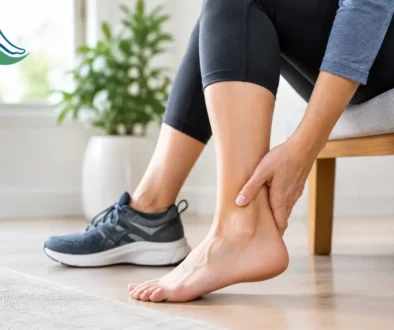
The appointment begins with a conversation about the symptoms that brought you in. Location matters. Pain under the heel, along the Achilles tendon, across the ball of the foot, on the inside of the ankle, or around the knee can point to different loading patterns.
Your practitioner will ask when symptoms occur and what tends to make them worse or better. Morning heel pain, for example, often presents differently from forefoot pain that develops after hours on concrete floors. A runner with shin discomfort may need a different assessment focus than a retail worker whose low back and hip symptoms increase late in the day.
It is also helpful to bring the shoes you wear most often. This may include work shoes, walking shoes, runners, safety footwear, or casual footwear. Shoe wear patterns, available depth, heel structure, and the amount of room inside the shoe all affect how an orthotic can function. The most precise device still needs to fit the footwear you can realistically wear.
A Clinical Assessment Looks Beyond the Foot
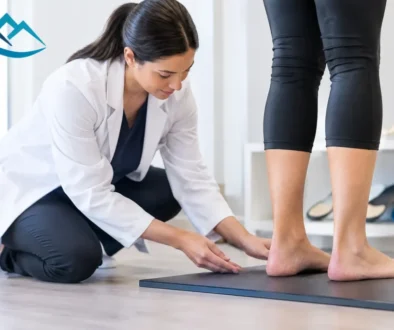
Orthotics are often discussed as foot support, but a clinical assessment considers the whole lower limb. Your practitioner may evaluate foot posture, arch movement, ankle range of motion, calf flexibility, balance, walking pattern, and how your knees and hips align as you move.
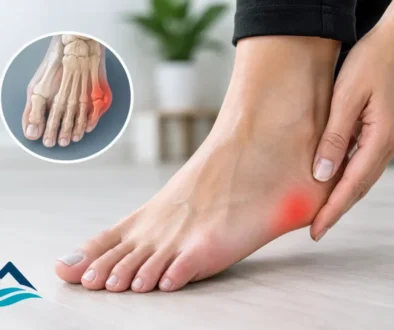
This is particularly relevant for people with flat feet, recurring plantar fasciitis, bunions, metatarsalgia, heel spurs, ankle pain, shin splints, Achilles tendon irritation, or pain that travels upward into the knees, hips, or low back. The foot is not always the only source of discomfort, but it can be a meaningful contributor to the way force travels through the body.
Assessment findings guide the recommendation. Some people need more control of excessive motion; others benefit from pressure redistribution, cushioning, arch support, or a combination of these features. A very firm device is not automatically the right answer, and neither is a very soft one. The appropriate balance depends on your diagnosis, body mechanics, activity level, footwear, and tolerance.
Why a 3D Foot Scan Is Used
A 3D foot scan records the shape and contours of your foot with far greater detail than a simple shoe-size measurement. It is one part of a broader evaluation, not a replacement for clinical judgment.
The scan gives the practitioner accurate information to help design an orthotic around your foot shape and support requirements. Combined with your movement assessment and symptom history, it helps create a custom device intended to address your specific biomechanics rather than providing generic cushioning alone.
What Happens After Your Assessment
Following the assessment and scan, your practitioner explains the clinical findings in plain language. You should leave with a clear understanding of what may be loading your painful area, why the recommended orthotic features matter, and what to expect next.
Custom orthotics are then made based on the prescription. The design may include targeted arch support, heel stabilization, metatarsal support, cushioning, or accommodations for sensitive areas. Details vary because the needs of someone with long-standing heel pain are different from those of a person who feels forefoot burning after a full day standing.
Your practitioner may also recommend changes outside the orthotic itself. That can include choosing more supportive everyday footwear, temporarily adjusting activity, improving recovery between demanding shifts, or using condition-specific exercises. An orthotic is a tool within a treatment plan. It works best when the plan reflects the demands of your real life.
The Fitting Appointment: Checking Function, Not Just Comfort
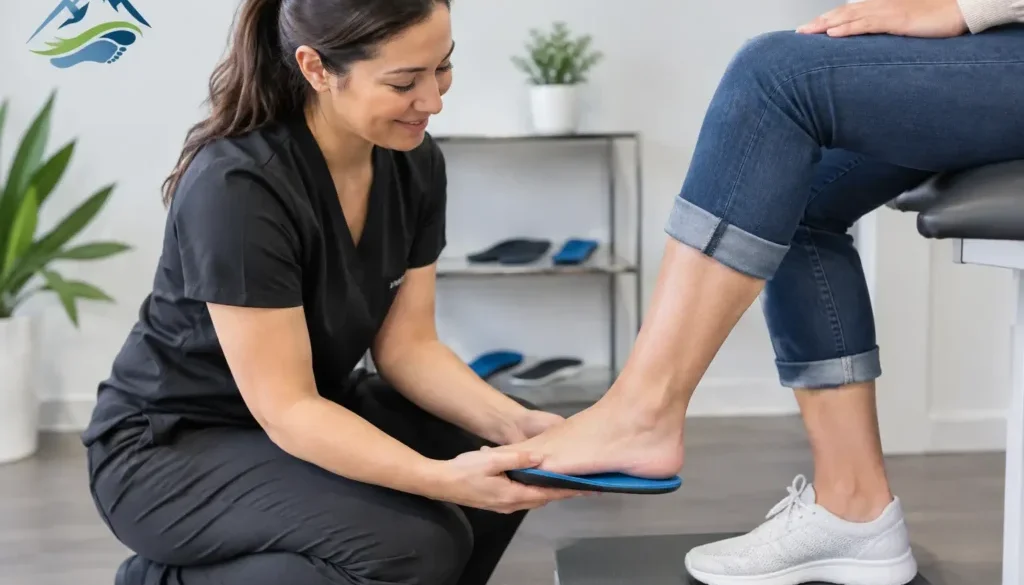
When your orthotics are ready, you return for a delivery and fitting appointment. The practitioner checks that the devices sit correctly in your shoes and that your heel is positioned as intended. You may be asked to stand and walk so the fit and initial response can be assessed.
“Comfortable” is important, but it does not always mean the orthotic should feel invisible immediately. If your feet have been functioning without support or with poor support for a long time, a period of adaptation is common. You may notice the arch contact at first, particularly during longer periods of walking or standing.
You should not simply be handed the orthotics and sent on your way. A useful fitting includes instructions on which shoes work best, how to transfer the devices between suitable pairs, and how to begin wearing them gradually. It is also the time to raise concerns about work footwear, sports, or a history of sensitivity to foot pressure.
The Wear-In Period
Most people benefit from building wear time over several days rather than using their orthotics all day on the first day. Your practitioner will provide guidance based on your symptoms and the orthotic design. Starting gradually helps your feet, ankles, knees, and hips adjust to changes in support and alignment.
Mild awareness of support can be normal during this transition. Sharp pain, numbness, rubbing, or symptoms that clearly worsen should be reported to the clinic. Do not assume you need to push through significant discomfort. Adjustments may be needed, and early communication can prevent frustration.
The timeline for symptom improvement also varies. A person with a recent overuse issue may notice changes sooner than someone who has experienced heel or knee pain for many months. Activity demands, footwear, consistency of use, and the underlying condition all matter.
Questions Worth Asking During an Orthotic Fitting
A fitting is a two-way conversation. Ask which features were selected for your feet and symptoms, which shoes are most appropriate, and how often you should wear the orthotics at the start. If you exercise, ask whether you should use them for walking, running, gym training, or court sports right away.
You can also ask about care. Orthotics generally last longer when they are moved carefully between shoes, kept dry, and not left in extreme heat. If the top cover wears, the device feels different, or your symptoms return after a period of improvement, arrange a reassessment rather than guessing at a replacement.
For patients using extended health benefits, ask what documentation is provided and what your plan may require for a claim. Coverage differs by insurer and employer plan, so confirming your own policy before the appointment can make the process easier.
When a Follow-Up Matters
Follow-up is especially useful when symptoms remain unchanged, your footwear changes, you start a new job with more standing, or you return to an activity that previously caused pain. Children and teenagers may also need reassessment as their feet and shoe sizes change. The same applies when an older pair of orthotics no longer fits comfortably in current footwear or no longer reflects your needs.
For Greater Vancouver and Greater Victoria patients, access to a local clinic can make this process more practical. It is easier to address a fit question early than to set the orthotics aside and return to the habits that were contributing to pain.
If foot, heel, ankle, knee, hip, or back discomfort is limiting your day, the right next step is a measured assessment rather than another guess from the insole aisle. A thoughtful orthotic fitting experience gives you a clearer picture of your mechanics, a device built for your needs, and guidance you can use with every step.