
Anterior Tibialis Tendonitis Causes and Care
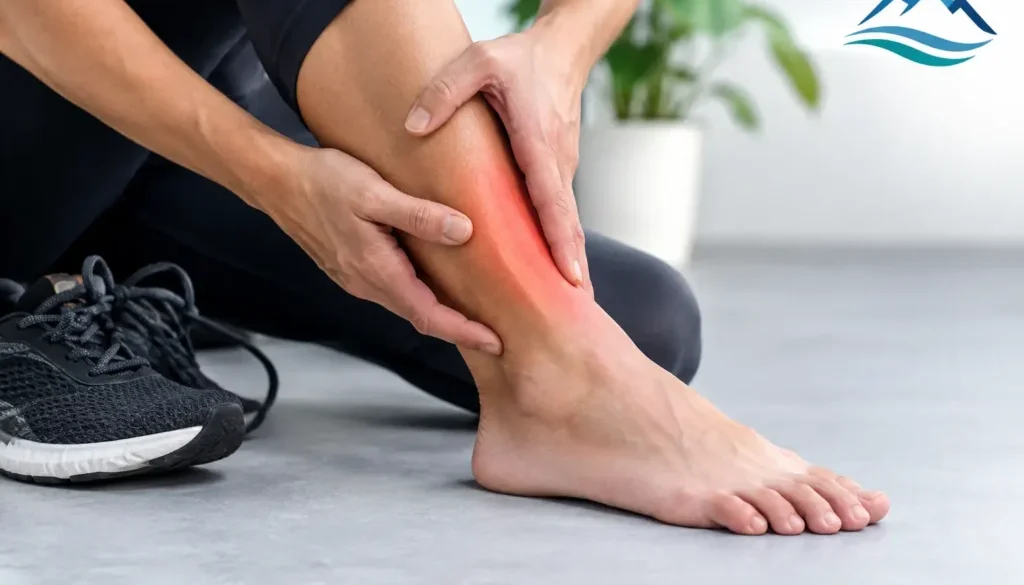
A sore, tender spot across the front of the ankle can turn ordinary tasks into a problem. Anterior tibialis tendonitis often hurts when you walk uphill, climb stairs, lift your foot, or return to activity after a break. Because the pain sits near the ankle and shin, many people assume it is simply shin splints or a minor ankle strain. The right treatment depends on identifying what is actually irritating the tendon.
What anterior tibialis tendonitis feels like
The anterior tibialis muscle runs down the front and outside of the shin. Its tendon crosses the front of the ankle and attaches along the inner part of the foot. Its main job is dorsiflexion – lifting the foot and toes upward as you walk. It also helps control the foot as it contacts the ground and supports the arch during movement.
When that tendon is overloaded, it can become painful and sensitive. Symptoms often develop gradually rather than after one clear injury. You may notice discomfort at the front of the ankle, along the top or inner side of the foot, or lower down the shin. The area can feel sore when pressed, and lifting the foot against resistance may reproduce the pain.
Walking uphill, hiking, stairs, uneven ground, and faster-paced walking are common triggers. Some people feel a stiff first few steps in the morning or after sitting, then notice that pain builds again with longer activity. Swelling is possible, though it is not always present.
Anterior tibialis tendonitis can resemble other conditions. Stress-related bone pain, ankle joint irritation, nerve symptoms, and irritation of nearby tendons may all cause pain around the front of the ankle. A clinical assessment is useful when the location of pain is unclear, symptoms keep returning, or walking has become difficult.
Why the tendon becomes overloaded
Tendon pain is usually a load-management problem. The tissue is being asked to do more than it currently tolerates, whether that comes from activity, footwear, foot mechanics, or a combination of factors.
A sudden jump in walking distance is a familiar example. Someone who starts training for a charity walk, resumes running, takes a hiking trip, or begins a job that involves long periods on their feet may stress the tendon before it has adapted. Hills are particularly demanding because the ankle needs more controlled motion with every step.
Footwear can contribute as well. Worn-out shoes, shoes that bend too easily through the middle, or footwear with poor stability can allow more unwanted foot motion. Very tight laces across the front of the ankle may also irritate an already sensitive area. On the other hand, a shoe that feels supportive is not automatically right for every foot. Fit, sole stiffness, heel height, and the way your foot moves all matter.
Foot mechanics may be part of the picture. Flat feet, an arch that drops significantly while walking, or excessive inward rolling of the foot can increase the work required of the anterior tibialis tendon. A very high-arched or rigid foot can create a different set of loading issues. This is why two people can develop similar pain for different reasons, and why a generic insole may not address the cause.
Calf tightness, reduced ankle mobility, weakness through the foot and lower leg, and a previous ankle injury can also change how forces travel through the leg. The goal is not to blame one body part. It is to identify the combination that is keeping the tendon irritated.
What to do when pain starts
Early care should reduce aggravation without making you completely inactive for weeks. Continuing through sharp or escalating pain usually prolongs recovery. At the same time, total rest can reduce conditioning and make the return to activity harder.
Start by temporarily reducing the activities that reliably trigger symptoms. This may mean choosing flatter walking routes, shortening walks, avoiding hill repeats, or taking a break from running. If you work on your feet, brief opportunities to sit, change positions, or reduce repeated stair use can help settle symptoms.
Cold therapy may ease soreness after activity for some people. Apply a wrapped cold pack for short periods rather than directly on the skin. Gentle ankle motion can be useful if it does not increase pain. Avoid forceful stretching or repeatedly testing the painful tendon, especially in the first irritated phase.
Footwear deserves a practical review. Check whether the outsole is worn unevenly, the heel counter has collapsed, or the shoe is overly flexible. A stable, comfortable shoe with enough room across the top of the foot is often a better short-term choice than minimal or worn footwear. Lacing can be adjusted to reduce pressure over the tender area.
Pain relief strategies should not become permission to push harder through symptoms. If the tendon feels better temporarily but pain returns after every walk, its current workload is still too high.
Return to strength gradually
As day-to-day pain improves, gradual strengthening helps the tendon tolerate normal demands again. A clinician may recommend controlled exercises for lifting the foot, calf and ankle mobility work, balance training, and strengthening for the hips and lower leg. The dosage matters. Too much too soon can flare symptoms; too little may not prepare the tendon for hills, stairs, or longer walks.
A useful rule is to monitor the next day. Mild discomfort that settles and does not worsen may be acceptable during a gradual return. Pain that becomes sharper, causes limping, increases swelling, or is noticeably worse the following morning suggests that activity needs to be scaled back.
When orthotics may help
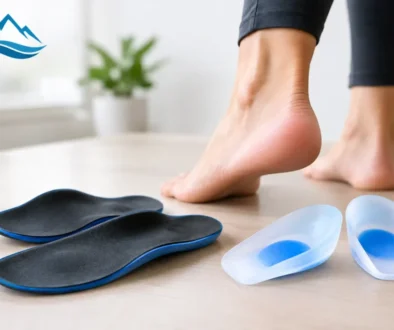
Custom orthotics are not a universal answer for every case of anterior tibialis tendonitis. They are most useful when a clinician finds that foot alignment, arch function, pressure distribution, or gait mechanics are adding repeated strain to the tendon.
An orthotic can help guide and support the foot in a position that reduces excessive demand on irritated structures. The design should be based on the individual, not selected from a shelf based only on shoe size or a broad label such as “arch pain.” It also needs to work with the footwear you actually wear for work, walking, and exercise.
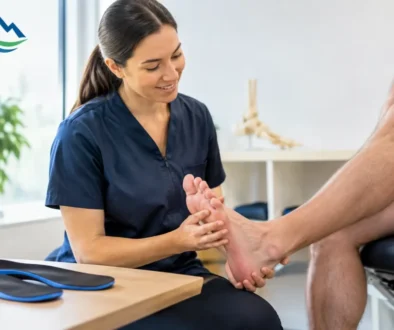
At Vancouver Orthotics Clinics by Dr. Michael Horowitz, an assessment can include a review of symptoms and activity demands, examination of lower-limb mechanics, and a 3D foot scan when custom orthotics are indicated. This process helps distinguish between a tendon that needs temporary load reduction and one that is repeatedly being stressed by an underlying support or alignment issue.
For patients who also experience heel pain, recurring shin splints, flat-foot discomfort, Achilles tendon irritation, or knee pain, the broader movement pattern matters. These concerns can be connected, but they should not be assumed to have one cause without an assessment.
When to seek a clinical assessment
Arrange an assessment if pain is not improving after a reasonable period of activity modification, if it returns each time you resume walking or exercise, or if it is limiting work and daily mobility. Persistent tenderness along the tendon, pain with lifting the foot, or symptoms that began after a notable change in activity are all worthwhile reasons to be evaluated.
Prompt care is especially appropriate after a fall or twist, when you cannot comfortably bear weight, when there is substantial swelling or bruising, or when you notice weakness lifting the front of the foot. Numbness, tingling, redness, warmth, fever, or pain that is severe at rest also deserve timely medical attention.
A practitioner can assess the painful area, observe walking mechanics, review your footwear, and determine whether conservative care, a progressive exercise plan, bracing, or custom orthotic support is appropriate. If the examination suggests another source of pain, you can be directed toward the right next step rather than continuing to guess.
Preventing the next flare-up
The best prevention plan is usually modest and consistent. Increase walking, running, or hiking volume gradually, particularly when adding hills or uneven terrain. Replace footwear before it loses its structure, and avoid making several major training changes in the same week.
Keep strength and mobility work in your routine after symptoms settle. The ankle and foot need capacity for everyday tasks, not just for workouts. If pain tends to return in the same shoes, on the same route, or after the same amount of time on your feet, that pattern is useful clinical information.
Anterior tibialis tendonitis is often manageable with early load changes and a clear look at the mechanics behind it. If front-of-ankle pain is changing how you walk, a local clinical assessment can replace trial and error with a plan that fits your feet, your work, and the activities you want to return to.