Taylor’s Bunion: Causes, Symptoms, and Relief
The outside edge of your little toe should not make choosing shoes, walking around the seawall, or standing through a work shift painful. When it does, a Taylor’s bunion may be the reason. This bony prominence forms at the base of the fifth toe and can become irritated by shoe pressure, repeated loading, and the way the foot moves with every step.
Many people first notice a red, tender bump along the outside of the forefoot. Others feel burning beneath the little-toe joint, a rubbing sensation in closed shoes, or pain that builds after long periods on their feet. The bump itself matters, but the mechanics that keep stressing it often matter just as much.
What Is a Taylor’s Bunion?
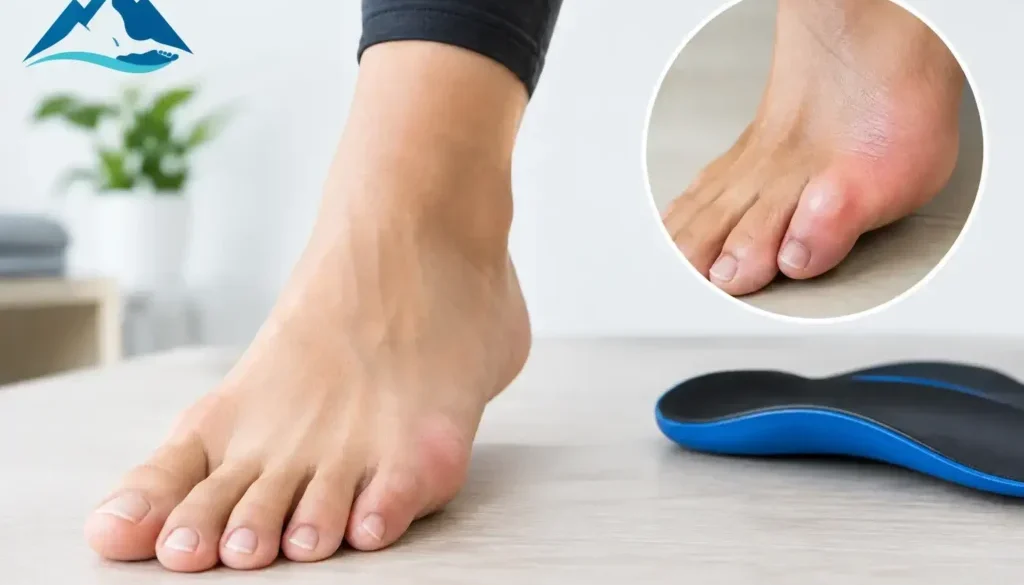
A Taylor’s bunion, also called a bunionette, is a prominence on the outside of the foot at the joint where the fifth metatarsal meets the little toe. It is different from the more familiar bunion at the base of the big toe. Both involve a change in joint alignment and can be aggravated by footwear, but they affect opposite sides of the forefoot.
The name comes from the historical observation that tailors often sat cross-legged, placing pressure on the outer border of the foot. Sitting posture is not the usual cause for most people now. A Taylor’s bunion more commonly develops through a combination of inherited foot shape, joint alignment, footwear pressure, and repetitive stress.
The bony area may gradually become more visible. As the fifth toe shifts toward the fourth toe, the outside of the joint can be exposed to even more friction. That can lead to callus buildup, skin irritation, swelling, or a small fluid-filled irritation near the joint. Symptoms can come and go, particularly when footwear changes.
Why the Outside of the Foot Starts Hurting
A Taylor’s bunion is rarely caused by one walk, one workout, or one pair of shoes. It tends to develop when the fifth metatarsal and little toe joint are repeatedly loaded in a way that concentrates pressure along the outer forefoot.
Footwear is often part of the picture. Narrow toe boxes, stiff side panels, and pointed or tapered footwear can press directly against the bump. That does not mean every comfortable-looking shoe is harmless. A shoe may feel fine at first but still create friction after a full day of walking, commuting, or standing at work.
Foot mechanics can also contribute. Flat feet, feet that roll inward excessively, a high-arched foot that loads the outside border, or reduced motion at other joints can all change how pressure travels through the forefoot. In some people, the fifth metatarsal is naturally angled outward or has a shape that makes the area more prominent. Family history can be a meaningful clue.
Activity can expose the problem rather than cause it. Runners, walkers, court-sport athletes, and people who work long hours on hard floors may notice symptoms sooner because the outer forefoot is loaded thousands of times a day. If pain is also present under the ball of the foot, it may overlap with metatarsalgia. Our educational resources on bunions, flat feet, and metatarsalgia can help put these related symptoms in context.
Symptoms Worth Paying Attention To
The most recognizable sign is a bump on the outside of the little-toe joint. It may look red or swollen after shoe wear. Pain can be sharp when the area is pressed, achy during walking, or burning after a long day.
Calluses along the outer foot or beneath the fifth metatarsal are also common. They are not simply a skin issue. A callus can be a record of repeated pressure, which is useful information during a clinical assessment. Some people compensate by shifting weight away from the painful side, then develop discomfort elsewhere in the foot, ankle, knee, hip, or low back.
Not every bump near the little toe is a Taylor’s bunion. A recent injury, localized swelling, a skin lesion, or sudden severe pain should be assessed rather than self-diagnosed. Persistent redness, warmth, rapidly increasing swelling, or pain that makes normal weight-bearing difficult deserves prompt clinical attention.
Conservative Taylor’s Bunion Treatment
Treatment should reduce irritation while addressing the loading pattern that keeps the joint uncomfortable. The right approach depends on the severity of symptoms, foot structure, daily activity, and the shoes required for work or recreation.
The first practical step is reducing direct pressure. Look for footwear with a broad, rounded toe box and enough width at the forefoot that the shoe upper does not rub against the outside bump. Soft, flexible material over the painful area may be more comfortable than a rigid sidewall. Sizing up alone is not always the answer, because extra length does not necessarily create extra width where it is needed.
A protective pad or sleeve can reduce shoe friction for some people. It is a comfort measure, not a correction for the underlying mechanics. If it makes the shoe tighter, it can worsen pressure instead. Similarly, over-the-counter insoles may feel helpful for mild symptoms, but they cannot reliably account for a pronounced asymmetry, unusual pressure pattern, or significant alignment concern.
Cold therapy after activity may calm short-term irritation. Modifying high-impact activity for a period can also be reasonable when the joint is flared. The goal is not to stop moving indefinitely. It is to keep activity within a tolerable range while improving the conditions under which the foot is loaded.
Where Custom Orthotics May Help
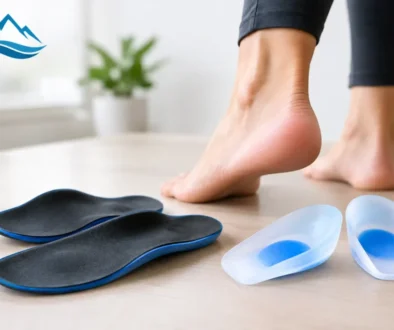
Custom orthotics do not remove the bony prominence. Their role is to influence foot function and redistribute pressure so the outside forefoot is not repeatedly overloaded. This can be particularly helpful when a Taylor’s bunion is associated with flat feet, excess inward rolling, a high-pressure outer border, or pain that returns despite switching footwear.
At Vancouver Orthotic Clinics by Dr. Michael Horowitz, assessment begins with the symptoms you notice and the activities that bring them on. A practitioner evaluates foot posture, joint movement, gait, footwear wear patterns, and the relationship between the foot and lower limb. A 3D foot scan is then used as part of a structured clinical process to inform an orthotic recommendation designed for your biomechanics.
Orthotic design is not one-size-fits-all. One person may need more support to manage inward foot motion; another may need accommodation and cushioning to reduce pressure beneath the outer forefoot. The material, contour, and pressure-relief features should reflect how you walk, the shoes you wear, and whether you are standing at work, training, or managing daily errands.
What to Expect From an Assessment
A useful assessment does more than confirm that there is a bump near the little toe. It looks for the reason the area is being stressed. Your practitioner may ask when symptoms began, which shoes trigger pain, whether you have had repeated calluses, and whether you also experience heel pain, arch fatigue, ankle discomfort, or knee pain.
Bring the shoes you wear most often, including work shoes and activity footwear if applicable. Uneven outsole wear, a compressed insole, or a narrow toe box can reveal factors that are easy to miss when the shoe is not in the room. If you have extended health benefits, ask ahead about documentation requirements for custom orthotics so you can understand the claim process before proceeding.
For patients in Greater Vancouver, Greater Victoria, and Langford, a local clinician-led assessment can make it easier to address a recurring foot problem before it starts shaping how you walk. New patients are welcome, and online booking is available when persistent outer-foot pain is limiting your routine.
Preventing Repeat Irritation
Once symptoms settle, prevention is largely about avoiding a return to the same pressure pattern. Continue using footwear with appropriate forefoot room, replace shoes when the midsole or insole has broken down, and build walking or training volume gradually after a painful flare. If a particular shoe only hurts after several hours, treat that as useful feedback rather than something to push through.
Pay attention to calluses and recurring tenderness beneath the outer forefoot. They can signal that pressure is returning before pain becomes intense. A periodic review of orthotic fit and footwear is sensible because activity levels, work demands, and even shoe styles can change over time.
A Taylor’s bunion does not have to dictate your walking, workday, or exercise routine. When the bump is painful, the most useful next step is identifying what is pressing on it and what is loading it from below. A focused clinical assessment can turn a vague outside-foot ache into a practical plan for more comfortable movement.