
Why Does Heel Pain Recur? Causes and Next Steps
That first sharp step out of bed can fade after a few days, then return after a busy workweek, a longer walk along the Seawall, or a return to running. So, why does heel pain recur when it seemed to be getting better? In many cases, the painful tissue has calmed down temporarily, but the forces that overloaded it in the first place are still present.
Recurring heel pain is frustrating because it can feel unpredictable. Clinically, it is usually not random. A combination of foot mechanics, activity demands, footwear, recovery habits, and an incomplete diagnosis can keep loading the heel beyond what it can comfortably tolerate.
Why Does Heel Pain Recur After It Improves?
Pain relief and full recovery are not always the same thing. Rest, reduced activity, stretching, or a new pair of shoes may decrease symptoms enough to make daily life easier. But if the plantar fascia, Achilles tendon, heel fat pad, or nearby structures are still being repeatedly stressed, symptoms can return as soon as activity increases.
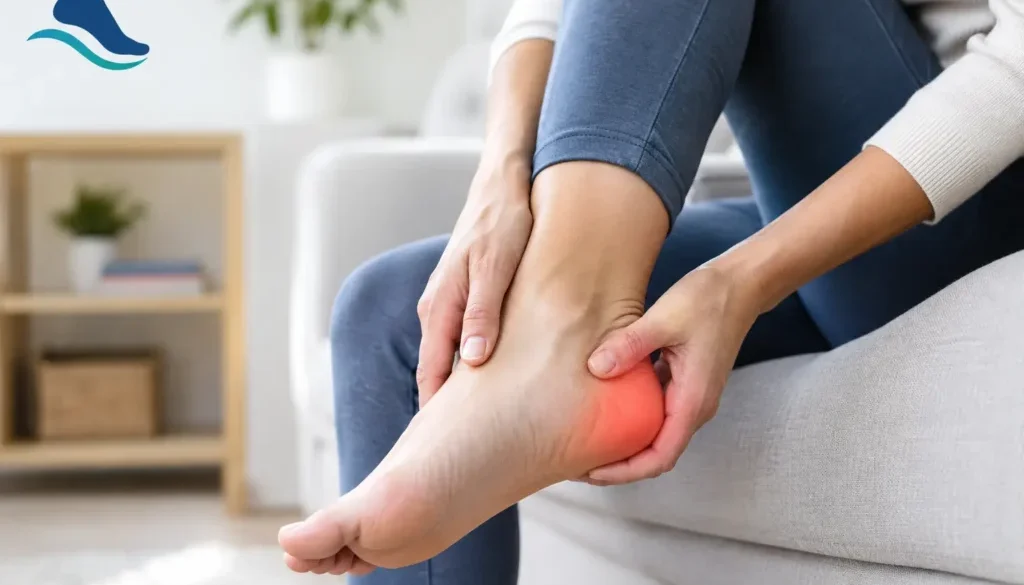
Plantar fasciitis is one of the most common reasons for recurring heel pain. It often causes pain under the heel or along the inner arch, especially with the first steps in the morning or after sitting. The plantar fascia supports the arch and helps transfer force as you walk. If it is repeatedly pulled or overloaded, the area may remain sensitive even after the most noticeable pain settles.
Pain at the back of the heel may point to Achilles tendon irritation, while a deep, bruise-like feeling directly beneath the heel may relate to reduced cushioning from the heel fat pad. Heel spurs may be visible on imaging for some people, but the spur itself is not always the source of pain. A clinical assessment helps distinguish these patterns rather than treating every heel problem as the same condition.
The Biomechanical Factors That Keep Loading the Heel
Your feet are the foundation for every step. When foot motion, arch control, ankle mobility, or lower-limb alignment is not working efficiently, the heel can absorb more stress than it should.
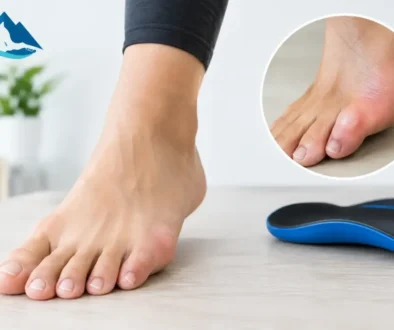
Flat feet or feet that roll inward excessively can place repeated tension on the plantar fascia. Very high arches can create a different problem: pressure may concentrate under the heel and forefoot instead of being distributed through the foot. Neither foot type automatically causes pain, but both can become relevant when paired with long standing hours, a sudden activity increase, or footwear that does not provide adequate support.
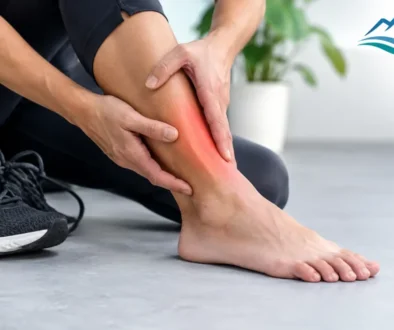
Limited ankle flexibility is another common contributor. When the ankle does not move well during walking, the body may compensate by pulling more strongly through the plantar fascia or Achilles tendon. Tight calves can add to this pattern, particularly for runners, retail staff, healthcare workers, and anyone who spends much of the day on their feet.
This is why a generic insole may help one person but not another. Effective support needs to account for how your foot loads during standing and walking, not just the outline of your foot. At Vancouver Orthotic Clinics by Dr. Michael Horowitz, practitioner-led assessments can include a physical examination, gait and biomechanics review, and 3D foot scanning to identify the factors that may be contributing to repeat symptoms.
Activity Spikes Can Restart the Pain Cycle
Heel pain often returns after a change in workload rather than after one obvious injury. You may have felt fine walking 5,000 steps per day, then developed symptoms after a vacation, a new job with more standing, a hiking weekend, or an ambitious return to exercise.
The issue is not that activity is harmful. The problem is the gap between what the tissue is currently conditioned to handle and what you ask it to do. A painful heel may tolerate a gradual increase in walking but flare after several consecutive high-demand days. This is especially common when people resume activity as soon as pain is lower, rather than building capacity over time.
Running hills, adding speed work, switching to minimalist footwear, or increasing court sports can all change the load on the foot and calf. Even a positive change, such as walking more for health, may need a gradual progression when heel pain has been recurring.
A useful rule is to watch the next morning. Mild discomfort that settles quickly may be manageable, while sharper first-step pain, limping, or symptoms that worsen day after day suggest the heel was asked to do too much. Reducing load briefly is often sensible, but long-term improvement also requires a plan to return to activity progressively.
Footwear Can Help, but It Cannot Correct Every Cause
Worn-out footwear is an easy factor to miss. The outer sole may look acceptable while the midsole has lost cushioning and stability. Shoes that are too flexible, too flat for your current symptoms, or unsupportive through the arch can allow repeated strain during a long day.
That said, there is no single “best” shoe for every heel problem. A highly cushioned shoe may feel excellent for heel pad sensitivity, while a person with plantar fascia irritation may also need better arch support and heel stability. A stiff work boot may be helpful for one patient and aggravating for another if it limits ankle movement or puts pressure on the back of the heel.
Footwear works best as one part of a treatment plan. If the underlying issue involves excessive motion, poor load distribution, or an alignment pattern extending into the ankle, knee, hip, or low back, shoes alone may not be enough.
Why Stretching Sometimes Helps Only Temporarily
Calf and plantar fascia stretching can reduce tension and improve comfort for many people. However, stretching is not a complete answer when recurring symptoms are driven by poor support, a rapid workload increase, or a condition other than plantar fasciitis.
It also matters how and when you stretch. Aggressive stretching into sharp pain can irritate already sensitive tissue. Gentle, consistent mobility work is generally more useful than occasional forceful stretching. Strengthening the foot, calf, and lower leg may also be appropriate, because stronger tissues can often tolerate daily demands more effectively.
The right exercises depend on the diagnosis. For example, a plan for pain under the heel may differ from a plan for pain at the Achilles insertion. If you are unsure which structure hurts, trying multiple online exercises at once can make it harder to identify what is helping or aggravating the problem.
When Recurring Heel Pain Needs a Clinical Assessment
A recurring pattern deserves more than repeated short-term fixes, especially if it is limiting work, walking, sleep, or exercise. An assessment is particularly worthwhile when pain has lasted several weeks, keeps returning after rest, causes you to alter your gait, or is accompanied by swelling, numbness, tingling, redness, or pain that is becoming more severe.
Diagnosis matters because heel pain can overlap with plantar fasciitis, Achilles tendonitis, heel pad irritation, nerve-related symptoms, and stress-related bone pain. The location of pain, timing of symptoms, footwear history, activity level, ankle motion, and walking pattern all provide useful clinical clues.
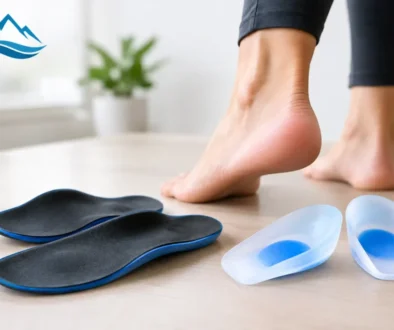
For people with repeat plantar fasciitis or symptoms related to flat feet, custom orthotics may be recommended to improve support and distribute pressure more appropriately. A prescribed device is not simply a softer insert. It is designed from your assessment findings and foot scan to address the specific mechanical demands identified by the practitioner. In some cases, a temporary reduction in high-impact activity, targeted exercises, footwear changes, and recovery tools are also part of the plan.
If you are using orthotics already and heel pain has returned, do not assume they have failed. Your activity level, body mechanics, shoes, and the condition of the orthotics can all change over time. A review can determine whether the device still matches your needs or whether another factor needs attention.
A More Sustainable Way to Manage Heel Pain
The goal is not simply to get through tomorrow morning with less pain. It is to understand why the heel is being overloaded and make practical changes that fit your work, movement, and lifestyle. That may mean adjusting your walking progression, replacing worn footwear, improving calf mobility, using appropriate support, or addressing mechanics that have been present for years.
Recurring heel pain is often your body’s signal that the same stress pattern is still active. With a clear diagnosis and a treatment plan based on how you move, you can work toward more comfortable steps and a more confident return to the activities that matter to you.