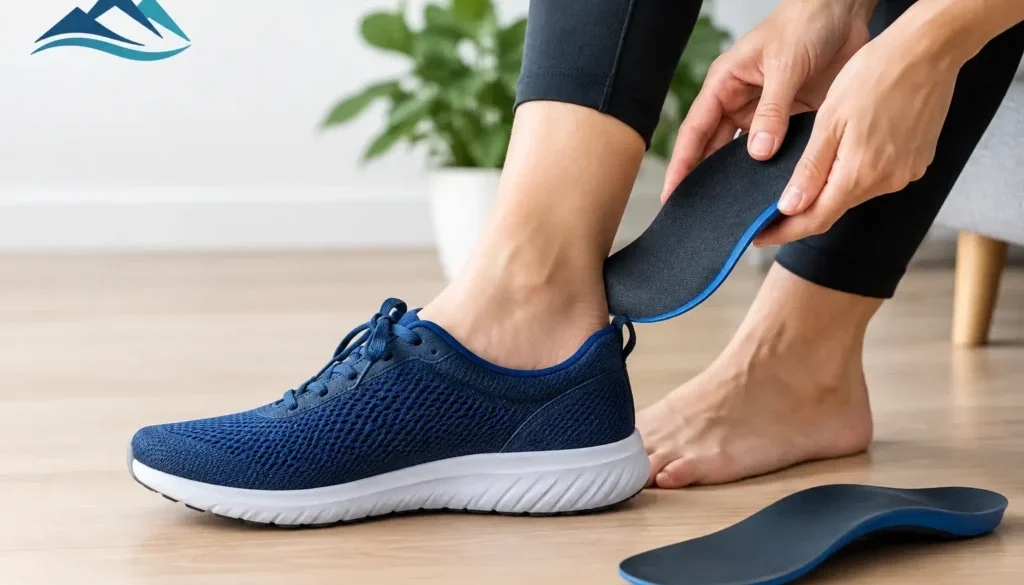
Orthotic Break In Guide for Comfortable Support
Your orthotic break in guide starts with one expectation: custom orthotics should change how your feet work, but they should not force you to push through significant pain. A new device can feel unfamiliar because it is supporting areas of the foot that may have been under-supported for years. The goal is gradual adaptation, not immediate all-day wear.
For someone dealing with plantar fasciitis, flat feet, recurring heel pain, shin discomfort, or knee pain, that adjustment period can be an encouraging part of treatment. It means your body is beginning to experience a different foot position and movement pattern. The key is knowing what is normal, what needs an adjustment, and how to give the process enough time.
Why custom orthotics can feel different at first
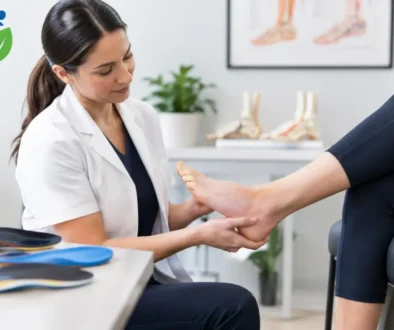
Custom orthotics are prescribed to influence foot function and lower-limb biomechanics. During a clinical assessment, a practitioner considers your symptoms, movement, footwear, foot shape, and the way your feet load during standing and walking. At Vancouver Orthotic Clinics, this process includes a practitioner evaluation and 3D foot scanning so the orthotic is based on more than a generic shoe size or retail insole profile.
When an orthotic supports the arch, cushions pressure points, or helps guide foot motion, the changes can be felt beyond the sole of the foot. Your ankles, calves, knees, hips, and low back all work as part of the same chain. If one area has been compensating for a long time, a new support pattern may feel noticeable at first.
A mild awareness of arch support, light muscle fatigue in the feet or calves, or a sense that your shoe fits differently can be normal during the first several days. The device should feel supportive, not sharp, pinching, unstable, or painful. A gradual schedule gives your tissues time to adapt while allowing you to notice any concerns early.
Orthotic break in guide: a practical schedule
The right schedule depends on your symptoms, activity level, footwear, and the type of orthotic you were prescribed. If your clinician gave you specific instructions, follow those first. In many cases, a gradual progression works well.
Days 1 to 3: Start with short indoor wear
Wear your orthotics for about one to two hours on the first day, preferably during normal walking around the house or a short, easy outing. Use the shoes that were reviewed or recommended for your orthotics. A supportive shoe with a removable insole and enough depth generally gives the device room to sit properly.
Increase to two to four hours over the next couple of days if you are comfortable. Do not start with a long run, a full shift on your feet, a hike, or a day of sightseeing. Even if the orthotics feel good right away, your muscles and joints still need time to adjust to a new pattern.
Days 4 to 7: Build toward daily activity
If the first few days are comfortable, add an hour or two of wear each day. Continue using the orthotics for routine walking, errands, office time, or light standing. Pay attention to how your feet feel during wear and later that evening or the next morning.
This is particularly relevant for people with morning heel pain. Plantar fasciitis symptoms can fluctuate depending on how much standing, walking, and activity you do, so one better or worse day does not tell the whole story. Look for an overall trend rather than judging the orthotics after a single busy day.
Week 2: Work toward full-day use
Most people can gradually work toward wearing their orthotics for a full day during the second week. If you spend long hours in retail, healthcare, construction, or another standing role, consider building up more slowly. Bring a second pair of supportive shoes if you need to change footwear during the day, and move the orthotics with you rather than alternating between supported and unsupportive shoes without a plan.
For runners and other active adults, full-day comfort during walking should come before using orthotics for more demanding training. Start with easy, shorter sessions and increase only when your daily walking feels comfortable. Your activity history, injury pattern, and footwear all matter here, so a personalized return-to-activity plan can be useful.
What is normal and what is not
A mild adjustment sensation is common. You may notice gentle arch pressure, temporary foot fatigue, or increased awareness of your posture while walking. These sensations should ease as you become accustomed to the orthotics.
Pain that is sharp, worsening, localized to one point, or causing you to change your gait is not something to ignore. The same applies to numbness, tingling, rubbing that causes a blister, new ankle or knee pain, or symptoms that remain noticeably worse after you remove the orthotics. Reduce wear time and contact the clinic that provided them for guidance.
It is also worth checking the simple fit details. Orthotics should sit flat in the shoe, with the heel fully seated at the back. If an old factory insole makes the shoe too tight, it may need to be removed, but only if this was recommended for that shoe and device. A cramped shoe can create pressure that is not caused by the orthotic itself.
Your footwear can help or hinder the adjustment
An orthotic works inside a shoe, so footwear is part of the treatment plan. A shoe that is worn down, overly flexible, narrow through the toe box, or shallow through the heel can make a well-made orthotic feel uncomfortable. This is a common reason patients feel fine in one pair of shoes but not another.
Choose footwear with a stable heel counter, a secure closure such as laces or straps, and enough internal depth to accommodate the orthotic without lifting your heel out of the shoe. Avoid judging your orthotics in sandals, slip-ons, or footwear that cannot hold the device securely unless your clinician has discussed an appropriate option.
For Vancouver-area patients, this matters during wetter months as well. Supportive footwear with a stable sole can help you move more confidently on wet sidewalks and during longer commutes. Comfort is not only about the orthotic itself – it is about how the full shoe-and-orthotic system performs during your actual day.
How to monitor progress without overthinking it
Keep your attention on a few practical markers: your first steps in the morning, how long you can stand or walk before symptoms begin, whether you recover more easily after activity, and whether your usual pain is becoming less frequent or less intense. These changes can take time, especially when symptoms have been present for months.
Try not to switch constantly between several insoles, shoes, and activity routines while you are breaking in new orthotics. Too many changes make it difficult to tell what is helping and what is aggravating your symptoms. A consistent routine gives you and your clinician clearer information.
If you have flat-foot-related discomfort, bunion pressure, metatarsalgia, Achilles tendon irritation, or pain that travels from the foot into the knee, hip, or low back, the pace of improvement can vary. Orthotics may be one part of a conservative care plan that also includes activity modification, stretching, strengthening, or other recommendations based on your assessment.
When to book a follow-up
A follow-up is appropriate if the orthotics never become comfortable after a reasonable break-in period, if your symptoms are changing in an unexpected way, or if the device does not fit correctly in the footwear you need for work or daily activity. Do not try to trim, bend, heat, or reshape custom orthotics at home. Small adjustments can significantly change how they function.
A clinician can reassess the fit, review your footwear, examine any pressure areas, and determine whether an adjustment is needed. This is especially helpful when a person has different needs for work shoes, walking shoes, or athletic footwear.
Give your body the time to adapt, but trust the feedback it gives you. Comfortable support should make it easier to move through your day with confidence, not leave you wondering whether pain is simply something you have to tolerate.