Orthotics Versus Heel Cups: Which Helps More?
That sharp first-step pain when you get out of bed can make a simple drugstore heel cup look like an easy answer. In the decision between orthotics versus heel cups, the right choice depends less on the product label and more on what is creating stress through your heel, arch, ankle, and lower leg.
Heel cups and orthotics can both have a place in conservative care. They do different jobs, however. A heel cup mainly cushions or slightly repositions the heel. A custom orthotic is designed after a clinical assessment to influence how the foot functions throughout walking, standing, work, and activity. For recurring pain, that distinction matters.
Orthotics versus heel cups: the main difference
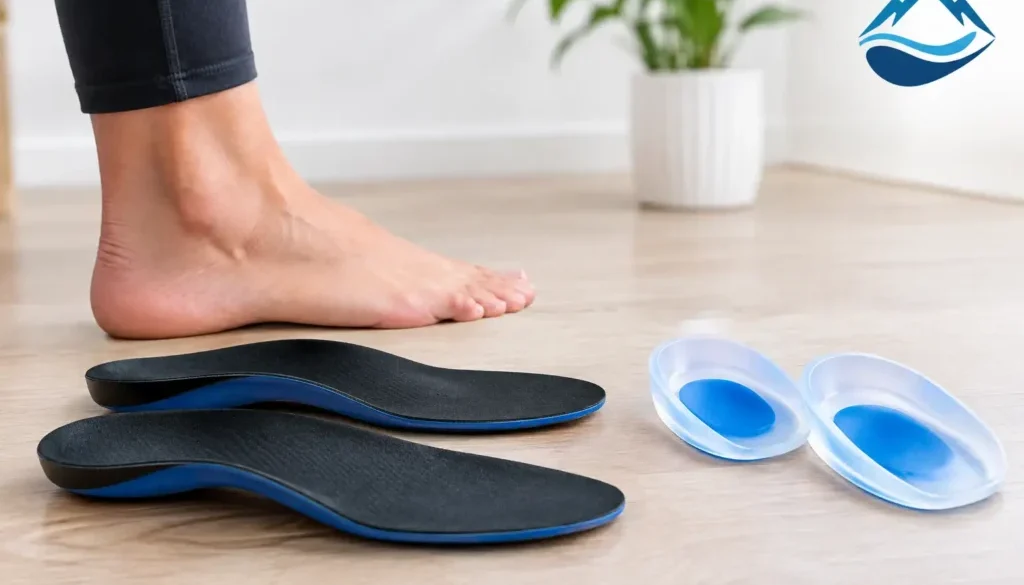
A heel cup is a small insert that sits under and around the heel. It is commonly made from silicone, gel, foam, cork, or a firm molded material. Its primary purpose is local support: it may soften impact, provide a modest heel lift, or cradle the heel fat pad.
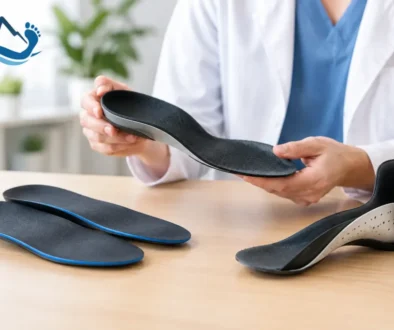
An orthotic is a full-length or three-quarter-length device placed in a shoe. It can support the arch, stabilize the heel, redistribute pressure under the forefoot, and help guide foot motion. Custom orthotics are not simply thicker insoles. They are prescribed around a person’s foot shape, gait, symptoms, footwear, and clinical findings.
Think of a heel cup as a localized comfort tool. Think of an orthotic as a device that can address the mechanical pattern contributing to repeated overload. Neither is automatically right for every person with heel pain.
When a heel cup may be enough
A heel cup can be a reasonable short-term option when symptoms are mild, recent, and clearly focused at the bottom of the heel. For example, someone who has spent a weekend on hard concrete in unsupportive footwear may benefit from temporary cushioning while reducing the aggravating activity and returning to supportive shoes.
Heel cups may also help some people with tenderness related to reduced natural heel cushioning. In this situation, the goal is often shock absorption rather than substantial correction of foot mechanics. A cup with a deeper heel cradle may feel more stable than a flat gel pad, although comfort varies from person to person.
The trade-off is that heel cups do not usually support the arch or control how the foot moves from heel strike through push-off. If the heel is being overloaded because the foot rolls inward excessively, the arch collapses under load, the calf is very tight, or one side is moving differently from the other, cushioning alone may not change the underlying load pattern.
A heel cup can also create problems if it crowds the shoe, raises the heel too much, or shifts the foot forward. That may lead to rubbing, toe pressure, or a feeling that the shoe has become unstable. If pain increases, it is a sign to stop using the insert and reassess.
When orthotics are more appropriate
Custom orthotics are often considered when heel pain persists, returns repeatedly, affects work or exercise, or occurs alongside other symptoms such as arch fatigue, ankle discomfort, shin pain, knee pain, or forefoot pressure. These patterns can suggest that the problem is not isolated to the heel.
Plantar fasciitis is a common example. The plantar fascia is a strong band of tissue that runs along the bottom of the foot. It can become irritated when repeated strain exceeds what the tissue can tolerate. Morning pain, pain after sitting, and tenderness near the inside of the heel are familiar signs. A heel cup may reduce the feeling of impact, but an orthotic may be more useful when the goal is to reduce tension through the plantar fascia during standing and walking.
Orthotics may also be helpful for people with flat feet, high arches, a tendency to roll in or out excessively, unequal pressure patterns, or symptoms that begin after long shifts on hard floors. Retail staff, healthcare workers, runners, warehouse employees, and people who walk Vancouver’s hills regularly can all place high cumulative demand on their feet. The device needs to work in the shoes they actually wear, not only during a brief test at home.
At Vancouver Orthotics Clinics by Dr. Michael Horowitz, the process begins with a practitioner assessment rather than a one-size-fits-all recommendation. The clinic’s five-step process considers your symptoms, health history, footwear, foot posture, and movement before using a 3D foot scan to help create a custom device. That information helps determine whether an orthotic should emphasize arch support, heel stability, pressure redistribution, cushioning, or a combination of these features.
The diagnosis matters more than the insert
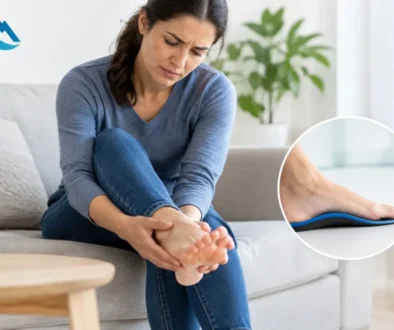
Heel pain is a symptom, not a diagnosis. Pain on the bottom of the heel, pain at the back of the heel, and pain that spreads into the arch can have different mechanical drivers. Treating every type of heel pain with the same gel cup can delay a clearer care plan.
For instance, pain at the back of the heel may be linked to irritation around the Achilles tendon. In some cases, a carefully selected heel lift may reduce tendon strain temporarily. Yet a lift that feels helpful for one person may aggravate another person’s forefoot or alter shoe fit. The amount of lift, the material, and the reason for using it all matter.
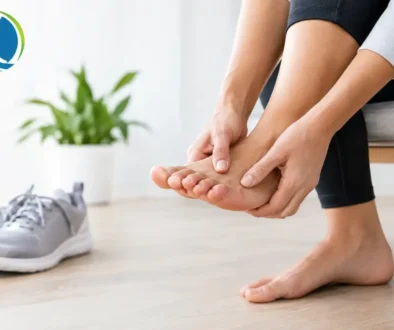
Pain under the heel may be related to plantar fascia overload, thinning of the heel’s natural padding, irritation from prolonged standing, or another source of stress. A practitioner can examine where the pain is located, when it occurs, whether the foot is stiff or unstable, and how the ankle and lower leg contribute. This is why a clinical evaluation is particularly worthwhile when pain is ongoing, worsening, or limiting normal activity.
What to expect from each option
Heel cups are accessible and inexpensive, but they are largely a trial-and-response purchase. Give any new insert a gradual introduction. Wear it for a shorter period at first, check that your heel stays secure, and pay attention to whether pain is better not only during wear but also later that day and the following morning.
Custom orthotics take more planning. They require an assessment, prescription, fitting, and a period of adaptation. Some people notice a difference quickly; others need time for their feet and lower limbs to adjust. The goal is not to force the foot into an uncomfortable position. It is to create support that reduces irritating load while allowing everyday movement.
Footwear is part of the equation. Even a well-designed orthotic cannot perform as intended in a shoe with a collapsed heel counter, very little depth, or a worn-out midsole. Bring your most frequently worn shoes to an appointment whenever possible. Work shoes, walking shoes, running shoes, and casual shoes can each reveal useful information about wear patterns and fit.
A practical way to choose
If heel pain is mild, new, and tied to a short-term change in activity, a heel cup may be a sensible comfort measure. Pair it with supportive footwear, a gradual return to activity, and attention to calf flexibility if that has been recommended for you.
If you have recurring morning heel pain, known flat feet, pain that travels beyond the heel, or symptoms that keep returning when you resume walking, running, or long work shifts, an orthotic assessment is usually the more informative next step. The assessment can confirm whether a custom device is appropriate or whether another conservative strategy makes more sense.
Seek prompt clinical advice for significant swelling, sudden inability to bear weight, numbness, marked redness or warmth, or pain following an injury. Those signs call for assessment rather than experimentation with inserts.
The most useful support is the one that matches the reason your heel hurts. If your pain keeps interrupting mornings, workdays, or the activities you enjoy, booking an assessment can replace guesswork with a plan built around how your feet actually move.