
Recurring Foot Pain: Why It Keeps Coming Back
That first step out of bed should not require a mental calculation. Yet for many people, recurring foot pain becomes part of the morning routine: heel pain that eases after a few minutes, aching arches after a shift, or soreness under the forefoot that returns every time walking or exercise increases. When pain repeatedly settles and then comes back, it is often a sign that the underlying load on the foot has not changed.
A foot can tolerate a great deal. It supports body weight, adapts to uneven ground, and transfers force through the ankle, knee, hip, and low back with every step. But when foot function, footwear, activity demands, and recovery are out of balance, the same tissues can become irritated again and again. The goal is not simply to get through the next painful day. It is to identify why the problem keeps returning and create a plan that fits your daily life.
Why recurring foot pain returns
Pain is often the body’s response to more demand than a tissue can comfortably handle. That demand may be obvious, such as adding hill training, starting a new job that requires standing, or taking a walking vacation. It can also build gradually. A worn-out pair of work shoes, a change in body weight, reduced ankle mobility, or several months of less activity can change how forces move through the feet.
The site of pain does not always reveal the full source. Heel pain may involve irritation around the plantar fascia, the thick band of tissue along the sole of the foot. Pain beneath the ball of the foot may be related to metatarsalgia and repeated pressure through the forefoot. A tight or sore Achilles tendon can reflect overload through the calf and ankle. Flat feet, high arches, or a foot that rolls inward excessively can also alter loading patterns, although the shape of a foot alone does not automatically mean it needs treatment.
Recurring symptoms usually mean the trigger has not been adequately addressed. Rest may calm irritated tissue, but the problem can reappear when a person returns to the same standing schedule, footwear, training volume, or walking pattern. This is why generic advice can be disappointing. The right approach depends on the diagnosis, the demands of the person’s day, and how their feet function while moving.
Common patterns worth noticing
Morning heel pain
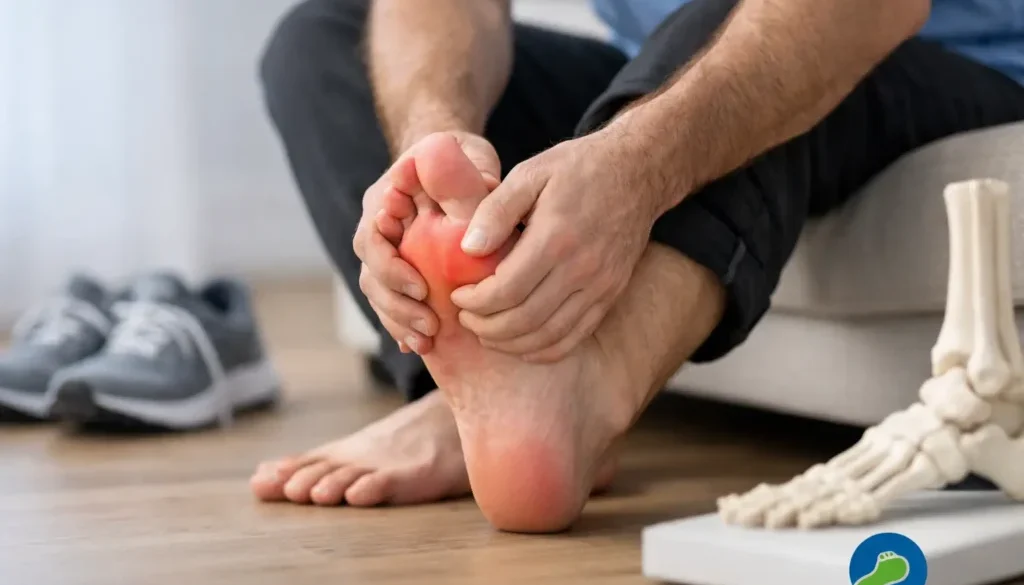
Sharp pain at the bottom of the heel with the first few steps in the morning is a common pattern associated with plantar fasciitis. It may also flare after sitting for a long time. Some people find it improves as they move, then returns after a busy day. Continuing to push through it without changing the load can turn an occasional problem into a persistent one.
Pain after standing, walking, or running
Retail staff, healthcare workers, teachers, warehouse workers, and commuters may notice symptoms late in a shift. Runners and active walkers may feel pain only after a certain distance. This timing matters. It helps a clinician understand whether the main issue is repetitive load, limited support, muscle fatigue, or a change in training.
Burning, aching, or pressure in the forefoot
Forefoot pain can be aggravated by narrow toe boxes, firm surfaces, worn footwear, or a pattern that concentrates pressure beneath one or more metatarsal heads. The sensation may be a dull ache, a bruise-like feeling, or burning that develops as the day goes on. It deserves assessment when it is recurring, worsening, or changing the way you walk.
Pain that travels beyond the foot
The feet are part of a connected movement system. A change in how one foot loads can affect the ankle, shin, knee, hip, or low back. This does not mean every knee or back problem starts in the feet. It does mean foot mechanics are worth considering when lower-limb symptoms repeatedly occur alongside foot discomfort, especially during walking, standing, or exercise.
What a clinical assessment can clarify
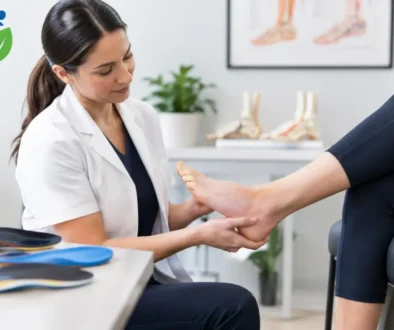
A proper assessment is more useful than guessing based on where it hurts. A practitioner will ask about the location and timing of pain, previous injuries, work and activity demands, footwear, health history, and what has helped or aggravated symptoms. They will also examine the foot and lower limb, observe alignment and movement, and assess areas of tenderness, mobility, and functional control.
At Vancouver Orthotic Clinics by Dr. Michael Horowitz, the clinical process includes practitioner evaluation, diagnosis, 3D foot scanning, and a custom orthotic recommendation when it is appropriate. The scan provides a precise record of foot shape, while the clinical examination helps determine how that shape functions under load. Both pieces matter. A scan alone cannot diagnose a source of pain, and not every recurring symptom calls for the same type of support.
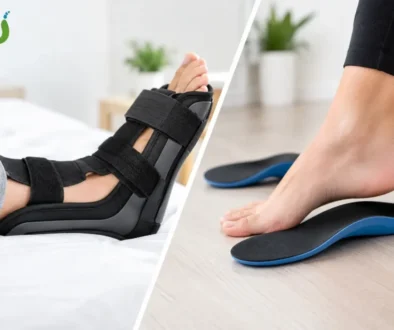
This distinction is especially important for people who have tried off-the-shelf insoles without lasting relief. Non-custom insoles can be a reasonable short-term option for mild fatigue or temporary extra cushioning. They may not, however, address a specific pressure pattern, arch-control need, or lower-limb alignment concern. A custom orthotic is designed from clinical findings and can be adjusted to support the treatment plan.
Treat the cause, not only the flare-up
Conservative treatment often combines several practical measures. The balance changes from person to person, but it may include a temporary reduction in aggravating activities, targeted stretching or strengthening, footwear changes, and custom orthotics where clinically indicated. For an active person, reducing load does not always mean stopping all exercise. It may mean changing mileage, avoiding hills for a period, or choosing lower-impact movement while symptoms settle.
Footwear deserves close attention. Shoes that are excessively worn, too flexible for the activity, too narrow through the forefoot, or poorly matched to a long standing day can contribute to recurring symptoms. A supportive shoe is not necessarily the stiffest shoe on the shelf. The best choice depends on the foot, the activity, and comfort. Someone working on hard floors may need a different solution than someone training for a 10K.
Orthotics also work best as part of a broader plan. They can redistribute pressure, support areas that are working too hard, and help guide foot function during walking and standing. They do not replace gradual conditioning, appropriate footwear, or sensible changes to activity. When expectations are realistic, patients are more likely to use them consistently and recognize meaningful progress.
When recurring foot pain needs prompt attention
A new assessment is advisable when symptoms persist beyond a couple of weeks despite reducing aggravating activity, or when the pain repeatedly returns after brief improvement. Seek prompt medical care for an inability to bear weight, marked swelling, redness or warmth, numbness that is persistent or progressive, a wound that is not healing, fever, or pain after a significant injury.
It is also wise to book an assessment sooner if you are changing how you walk to avoid pain. A limp can shift stress to other areas and may lead to discomfort in the opposite foot, knee, hip, or back. Children and teens with recurring pain should be assessed rather than assuming they will simply outgrow it, particularly if activity, school, or sports are being affected.
Building a plan that lasts
Keep track of patterns for one week before your appointment. Note where the pain occurs, when it starts, which shoes you wore, how long you were standing or walking, and whether it is different in the morning versus evening. These details can make the assessment more specific and reduce trial and error.
If you have extended health benefits, check whether your plan requires a prescription or specific practitioner documentation for orthotic claims. Clinic staff can explain the documentation process, but coverage rules vary by plan. Bringing your most frequently worn shoes and any previous insoles to the appointment can also give useful context.
Recurring foot pain is not something you have to normalize because you are busy, active, or on your feet for work. A clear assessment can replace guesswork with a practical next step, so walking, working, and moving feel more manageable again.