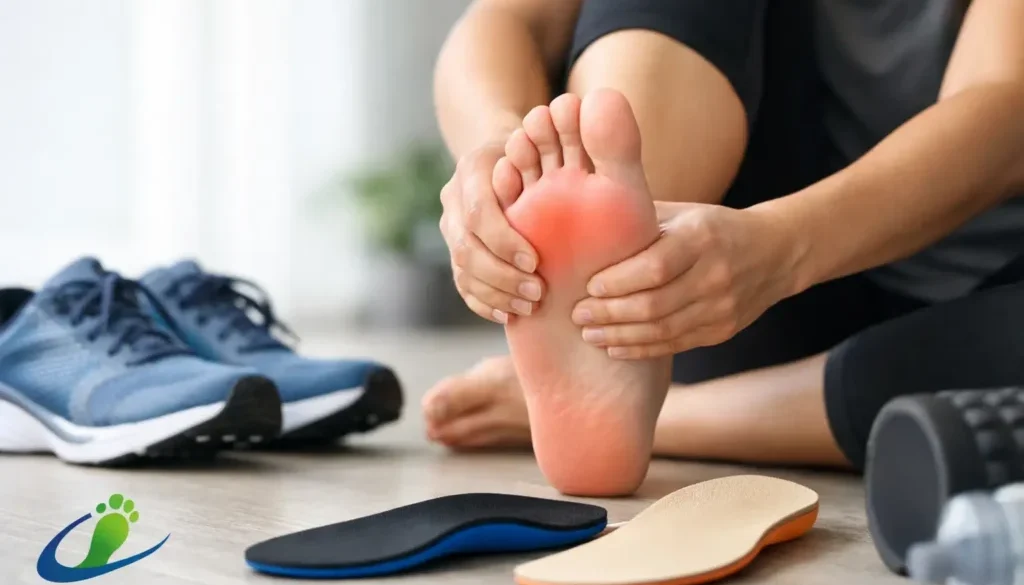
How to Relieve Arch Pain and Keep It From Returning
A sharp ache through the middle of your foot can make a short walk feel far longer than it is. Arch pain often shows up after a busy shift, a run, a change in footwear, or the first steps out of bed. Knowing how to relieve arch pain starts with reducing irritation, but lasting relief usually means identifying why the arch is being overloaded in the first place.
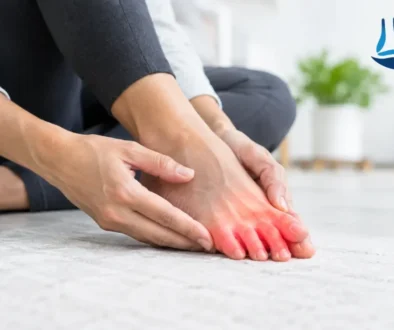
The arch is not just a curve in the foot. It is a working structure of ligaments, muscles, joints, and the plantar fascia, the strong band of tissue that runs from the heel toward the toes. When those structures are strained or poorly supported, pain can develop in the arch itself, the heel, ankle, calf, or even farther up the leg.
Start by Reducing the Load on Your Arch
If arch pain is new, ease back from the activity that brought it on for several days. This does not always mean complete rest. Gentle, comfortable movement is often preferable to pushing through a long run, steep hike, court sport, or standing-heavy workday when each step is painful.
Use a cold pack wrapped in a thin towel for 10 to 15 minutes after activity, particularly if the foot feels sore or irritated. Elevating the foot after a long day may also help when swelling is present. Avoid placing ice directly on skin and avoid aggressive massage if the area is sharply painful, bruised, or swollen.
For many people, the most immediate change is footwear. Choose a shoe with a stable heel, a supportive midsole, enough room through the toe box, and a sole that does not bend easily in the middle. A supportive indoor sandal or house shoe can be useful as well. Walking barefoot on hard floors may feel harmless, but it can keep a sensitive arch under repeated strain.
Gentle Stretches That May Help Arch Pain
Tight calves can increase tension through the bottom of the foot. A simple calf stretch can help: place your hands against a wall, step one foot back, keep that heel down, and lean forward until you feel a stretch in the calf. Hold it gently for 20 to 30 seconds and repeat a few times on each side. Keep the stretch comfortable rather than forcing the heel down.
You can also stretch the plantar fascia by sitting down, crossing one ankle over the opposite knee, and gently pulling the toes back toward the shin. You should feel a mild pull along the sole of the foot. This can be especially helpful before getting out of bed if your pain is worst with the first few steps in the morning.
Rolling the foot over a tennis ball or a chilled water bottle may provide temporary relief. Use light pressure. The goal is to relax the tissues, not to grind through pain. If rolling creates stabbing pain or leaves the foot more irritated afterward, stop and choose gentler measures.
Why Arch Pain Happens
Arch pain is a symptom, not a diagnosis. The pattern, location, and timing of the pain matter. Pain that is strongest near the heel and first thing in the morning can be associated with plantar fasciitis. Pain after a sudden increase in walking, running, or standing may reflect an overuse strain. A change in gait after an ankle sprain, knee pain, or hip pain can also shift more load into one foot.
Flat feet can contribute when the arch drops excessively during walking, causing the foot and lower leg to rotate inward. On the other hand, a high, rigid arch may not absorb force well and can concentrate pressure beneath the foot. Neither foot shape automatically causes pain. The issue is how the foot functions under load and whether the surrounding muscles and joints can manage that load.
Worn-out footwear is another common factor. Shoes can look fine from above while their cushioning and support have broken down internally. Work shoes, running shoes, and casual sneakers all have a useful life, especially when they are worn frequently on concrete or other hard surfaces.
When an Insole Can Help and When It May Not
An over-the-counter insole can be a reasonable short-term option for mild discomfort, particularly if your current shoe has little support. Look for one that fits the shoe properly and feels stable rather than soft and squishy. A very soft insert may feel pleasant at first but may not control the motion that is irritating the arch.
However, a generic insole cannot account for the way your individual feet move, whether one side is different from the other, or whether pain is coming from the plantar fascia, a tendon, a joint, or another structure. It also cannot correct a shoe that is too narrow, too flexible, or worn out.
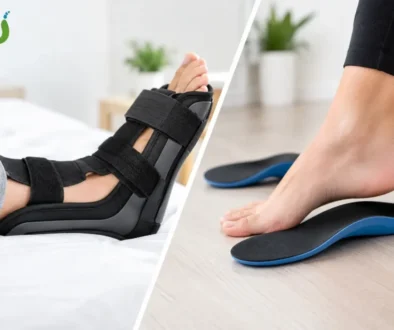
Custom orthotics may be recommended when pain recurs, foot mechanics are contributing, or an off-the-shelf insert has not been enough. They are designed to support and guide your foot based on a clinical assessment rather than simply adding padding. The right design depends on your diagnosis, footwear needs, activity level, and comfort. More arch pressure is not automatically better support.
How to Relieve Arch Pain When You Stand All Day
Retail staff, healthcare workers, teachers, and tradespeople often cannot simply avoid being on their feet. In that situation, small changes throughout the day can matter. If possible, alternate tasks so you are not standing in one position for hours. Take brief walking and calf-stretch breaks rather than waiting until the end of the shift, when the foot is already fatigued.
Your work footwear should be assessed honestly. If the heel counter has collapsed, the sole twists easily, or the shoe is unevenly worn, it may be contributing to symptoms. A supportive shoe paired with an appropriate insole or orthotic can reduce strain, but it should also fit the demands of your job. A walking shoe may not be the right choice for every workplace.
Compression socks can be helpful for some people who experience leg fatigue or swelling after prolonged standing. They do not directly rebuild arch support, but they may improve comfort as part of a broader plan. If you have circulation concerns or are unsure whether compression is appropriate for you, ask a healthcare professional first.
Get an Assessment for Persistent or Recurring Pain
Home care is appropriate for many mild cases, but recurring arch pain deserves a proper assessment. This is particularly true if you repeatedly change activities because of foot pain, if pain has lasted more than a couple of weeks, or if it keeps returning whenever you resume walking or exercise.
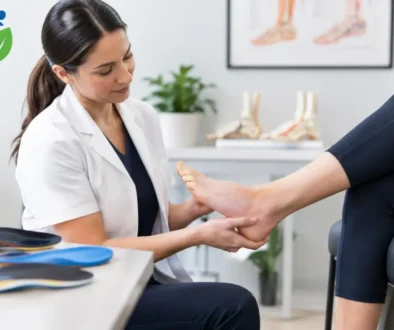
At Vancouver Orthotic Clinics by Dr. Michael Horowitz, a practitioner-led assessment can examine your symptoms, footwear, walking pattern, joint movement, and lower-limb alignment. A 3D foot scan is one part of the process, but it is not used in isolation. The scan helps document foot shape and loading needs alongside the clinical findings, so recommendations can be based on how your feet function rather than on a generic arch category.
Assessment can also help distinguish arch pain related to plantar fasciitis, flat-foot mechanics, tendon irritation, or compensation from the ankle, knee, hip, or lower back. That distinction matters because the most comfortable treatment plan is not always the most effective one for the underlying problem.
Patients in Greater Vancouver, including Burnaby, Richmond, North Vancouver, Coquitlam, and surrounding communities, often seek care after months of trying different shoes and inserts. Earlier assessment can provide clearer direction, especially when extended-health benefits may cover practitioner-prescribed custom orthotics. Coverage requirements vary by plan, so confirm your specific documentation and claim requirements before proceeding.
Signs You Should Not Ignore
Arrange prompt medical care if you cannot bear weight, have significant swelling, bruising, numbness, redness or warmth, fever, an open wound, or pain that began after a fall or other injury. These signs may point to something beyond routine overuse.
Also seek assessment if your arch pain is progressively worsening, wakes you at night, or does not improve despite reducing activity and wearing supportive footwear. Continuing to train or work through severe pain can change your walking pattern and create additional stress at the ankle, knee, hip, and back.
Your feet carry you through commutes, errands, workdays, and the activities that make Vancouver and Victoria enjoyable. Give recurring arch pain more attention than a quick stretch and a new pair of sneakers. A clear diagnosis and a plan that fits your feet, footwear, and daily demands can make each step feel more dependable again.