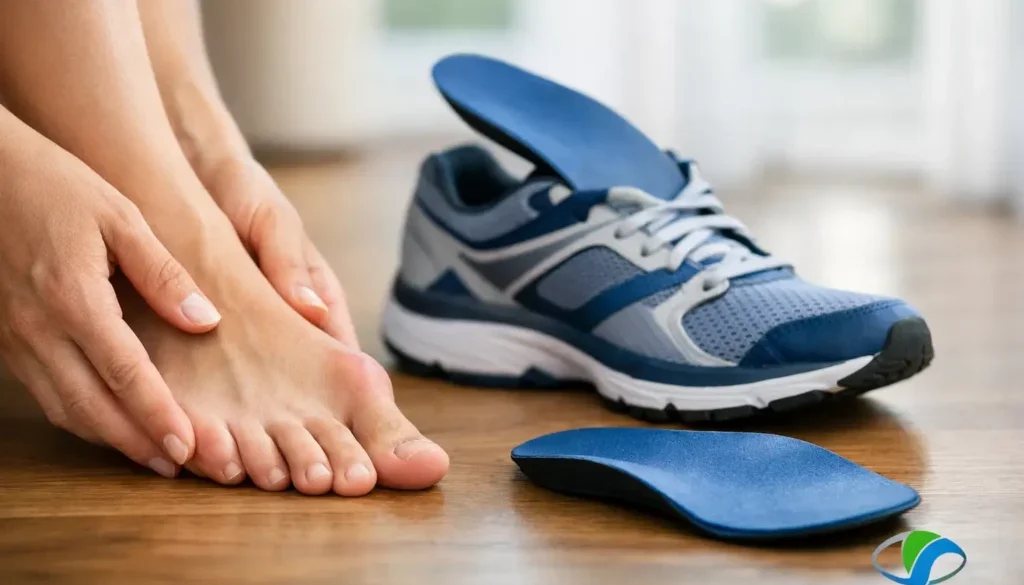
Bunion Relief That Starts With Better Support
That sharp rub along the side of your big toe can make a normal walk, a work shift, or a favorite pair of shoes feel like a negotiation. Bunion relief is not just about cushioning the bump. It begins with reducing the forces that repeatedly push on an already irritated big-toe joint.
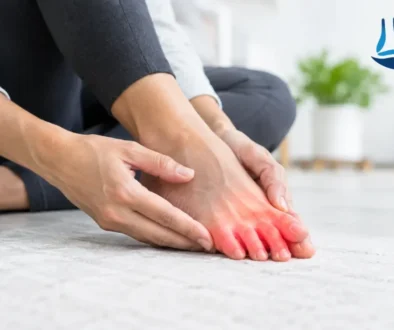
A bunion is a change in the alignment of the joint at the base of the big toe. The big toe gradually angles toward the other toes while the joint becomes more prominent on the inside of the foot. Some people notice the shape long before it hurts. Others first seek help when redness, rubbing, stiffness, or pain starts limiting daily activity.
Why bunions become painful
A bunion is often influenced by inherited foot structure, but pain usually has more than one cause. Footwear that presses on the joint can create friction and inflammation. Long periods of standing, walking on hard surfaces, and activities that repeatedly load the forefoot can make symptoms more noticeable.
Foot mechanics matter, too. Flat feet, an unstable arch, or a foot that rolls inward excessively can change how pressure moves through the big toe during each step. When the joint is repeatedly loaded in a less efficient position, the surrounding tissues may become irritated. This is why two people with a similar-looking bunion can have very different symptoms.
Pain is not always caused by the bunion alone. A clinician may also assess for calluses beneath the forefoot, pain in the smaller toe joints, limited big-toe movement, or changes in walking pattern. These issues can develop when you unconsciously shift weight away from the sore area.
Practical bunion relief for daily life
The right short-term measures can calm a flare-up and make shoes more tolerable, especially when used consistently. They will not change the joint’s existing shape, but they can reduce aggravation.
Start with the toe box. Shoes need enough width and depth that the side of the big-toe joint is not being squeezed. A soft upper can reduce rubbing, while a stable sole helps limit excess bending through the forefoot. A shoe that feels comfortable while sitting may still pinch after an hour of walking, so assess it after normal daily use.
When the area feels hot, swollen, or tender after activity, a brief cold pack wrapped in a cloth may help settle symptoms. Reduce the activity that clearly triggers the flare for a few days rather than trying to push through sharp pain. If you stand for work in Vancouver, Burnaby, or downtown Victoria, alternating footwear when appropriate and taking brief seated breaks can also reduce repeated pressure.
Padding can protect the bump from shoe friction, provided it does not make the shoe tighter. Toe spacers may feel comfortable for some people, particularly while resting or in roomy footwear. They are not a one-size-fits-all answer, however. If a spacer causes pressure, numbness, or more pain, stop using it.
The role of orthotics in bunion relief
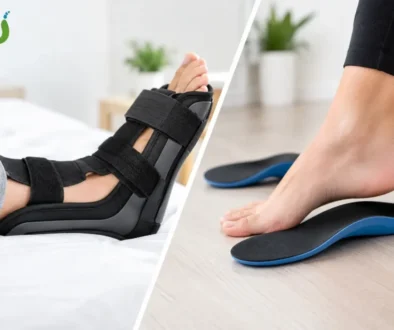
An orthotic does not force a bunion back into place. Its role is to support the way your foot functions, distribute pressure more comfortably, and reduce the mechanical stress that may be contributing to pain.
This is particularly relevant when a bunion occurs alongside flat feet, recurring forefoot pain, plantar fasciitis, ankle discomfort, or knee pain. The foot is not working in isolation. When the arch and heel are not controlled effectively, the big toe may have to manage load in a position that is less comfortable or less efficient.
A generic insole can be useful as temporary cushioning, but it cannot account for your specific arch profile, heel position, pressure pattern, walking style, or the way your big toe moves. For persistent symptoms, a clinician-led assessment provides more useful information than choosing an insert based on the label or the feel test in a store.
At Vancouver Orthotics Clinics by Dr. Michael Horowitz, the assessment process considers your symptoms, footwear, activity demands, alignment, and gait. A 3D foot scan is used alongside practitioner evaluation to help determine whether custom orthotics are appropriate and how they should be designed. That distinction matters: more support is not automatically better support. The goal is support that works with your foot and the shoes you can realistically wear.
When a custom approach may make sense
Consider an assessment if bunion pain keeps returning despite changing shoes, if walking tolerance is shrinking, or if calluses and pain are developing under the ball of the foot. It can also be helpful if one foot is much more symptomatic than the other, or if your work, running, or fitness routine repeatedly triggers discomfort.
Children and teens with noticeable toe changes should also be assessed thoughtfully. Their feet are still developing, and the right recommendation depends on symptoms, foot function, activity level, and growth stage. Adults with a longstanding bunion may need a different plan focused on comfort, load management, and maintaining mobility.
Exercises and movement: useful, but not a cure
Gentle mobility and strengthening can support foot function, but exercises should not be treated as a quick fix for every bunion. If the joint is very stiff or inflamed, aggressive stretching can make it more sore.
A useful starting point is gentle big-toe range of motion within a comfortable limit. Calf flexibility can also matter because a tight calf may increase pressure through the front of the foot as you walk. Exercises that strengthen the small muscles of the foot and improve balance may be included when they match the person’s needs.
The key is dosage. An exercise that creates mild muscle fatigue may be reasonable; one that causes joint pain during the movement or leaves the area throbbing afterward is not. A practitioner can help separate helpful strengthening from movements that are simply irritating an already sensitive joint.
Signs your bunion needs clinical attention
Do not wait until every shoe becomes difficult to wear. A clinical assessment is sensible when pain is frequent, the joint becomes increasingly swollen or red, numbness develops, or your walking pattern changes. Recurrent pain in the ball of the foot, second toe, ankle, knee, hip, or low back is also worth mentioning, because compensation can travel up the leg.
Bring the shoes you wear most often to your appointment if possible. Work shoes, walking shoes, running shoes, and even casual footwear can reveal where pressure is occurring and whether the sole is providing enough stability. It is also helpful to describe when pain occurs: first steps in the morning, late in a shift, during hills, after running, or only in certain footwear.
For people with extended health benefits, custom orthotics may be eligible depending on the details of their plan and documentation requirements. Checking your coverage before proceeding can prevent surprises. Clinic staff can explain the usual claim process and what paperwork may be required.
A more comfortable next step
Bunion relief is usually most successful when it combines roomier, more supportive footwear with a clear understanding of how your foot is loading the joint. If the problem keeps returning, book an assessment rather than continuing to cycle through pads and insoles that only partly help. A measured plan can protect your walking comfort now while helping you stay active in the routines that matter to you.
If you are unsure whether your symptoms are coming from the bunion itself or from the way your foot is compensating, ask questions and have it assessed. Small changes in support and pressure management can make a meaningful difference over a long workday or a weekend walk.