When Custom Orthotics Make Sense for Foot Pain
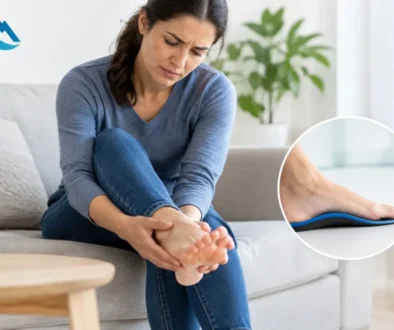
Morning heel pain that eases after a few steps. A knee that starts aching halfway through a walk. Sore feet after a retail shift, even in shoes that once felt comfortable. These are common reasons people consider custom orthotics – but the right time to use them is not simply when your feet hurt. It is when a clinical assessment shows that foot function and lower-limb mechanics may be contributing to the problem.
Custom orthotics are prescription devices made for your feet, your footwear, and your movement pattern. They are not designed to make every shoe feel softer. Their purpose is to support or guide the foot in a way that can reduce strain on irritated tissues and improve how force moves through the feet, ankles, legs, knees, hips, and lower back.
What makes custom orthotics different?
Retail insoles can be useful for temporary cushioning, extra warmth, or basic arch comfort. For a person with occasional fatigue from a long day on their feet, a well-made non-custom insole may be enough. The trade-off is that a store-bought insert cannot account for how your individual foot moves, whether one side is working differently than the other, or whether your pain is linked to an alignment or loading issue.
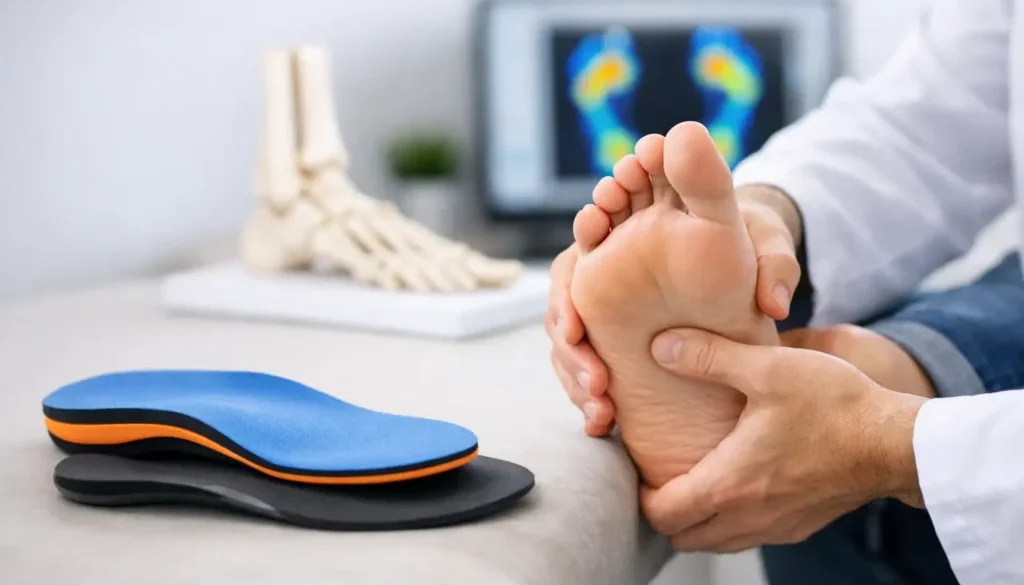
Custom orthotics are prescribed after a practitioner evaluates your symptoms, footwear, posture, joint movement, walking pattern, and foot mechanics. A 3D foot scan helps create an accurate model of the feet, while the clinical examination helps determine what that model needs to accomplish.
That distinction matters. A high arch, for example, does not automatically need aggressive arch support. Flat feet do not always cause pain or require treatment. The question is how your feet function while standing, walking, running, or working – and whether that function is placing repeated stress on a specific area.
When custom orthotics may help
Orthotics are commonly recommended when pain is recurring, activity is becoming limited, or supportive shoes alone have not solved the problem. They can be part of conservative care for plantar fasciitis, heel spurs, metatarsalgia, bunions, Achilles tendonitis, shin splints, ankle pain, and symptoms related to flat feet.
They may also be considered for pain farther up the body. The feet are the foundation for every step, so excessive rolling in, poor shock absorption, uneven pressure, or reduced stability can influence how the knees, hips, and low back are loaded. That does not mean every case of knee or back pain starts in the feet. It means foot mechanics are worth assessing when symptoms are persistent, especially if they worsen with standing, walking, running, or certain shoes.
A few patterns often point to the need for an assessment:
- Heel pain that is sharp with the first steps of the day or after sitting
- Pain under the ball of the foot, particularly in narrow or thin-soled shoes
- Repeated ankle rolling, shin pain, or Achilles tightness during activity
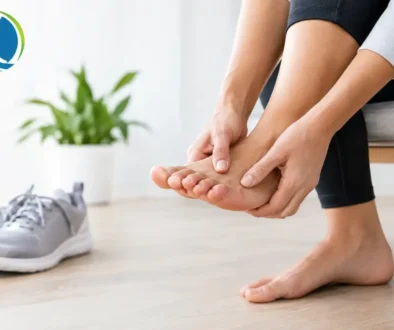
- Foot fatigue, burning, or aching after long standing shifts
- Knee, hip, or back discomfort that appears alongside flat-foot-related alignment changes
Children, teens, active adults, and older adults can all benefit from an assessment when symptoms affect daily movement. Age alone is not the deciding factor. A five-year-old with frequent tripping or foot pain needs a different clinical conversation than a runner with recurring shin splints or an older adult whose walking distance has declined.
How a clinical orthotic assessment works
At Vancouver Orthotic Clinics, orthotic care follows a structured five-step process designed to move from symptoms to a practical treatment plan. The goal is not to sell an insert based on a scan alone. It is to understand why the pain is happening and whether orthotics are an appropriate part of care.
1. Start with your symptoms and daily demands
Your practitioner will ask where the pain is, when it started, what makes it better or worse, and how it affects work, exercise, or everyday errands. Morning pain, pain after standing, pain in certain footwear, and pain that develops only during running can suggest different causes.
Footwear is part of this discussion. Safety shoes, work boots, running shoes, dress shoes, and casual sneakers all have different shapes and depths. An orthotic must fit the shoes you actually wear, not just the shoes you bring to the appointment.
2. Examine foot and lower-limb function
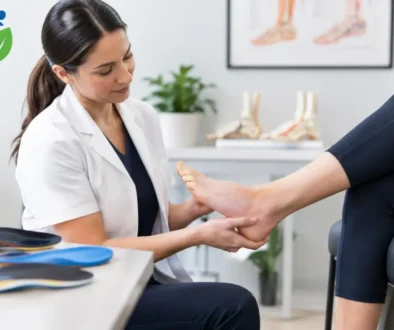
A practitioner assesses the feet, ankles, and related joints for movement, tenderness, alignment, and areas of overload. They may look at how you stand and walk, as well as how the knees and hips move in relation to the feet.
This is where diagnosis matters. Heel pain can be plantar fasciitis, but it can also involve the heel fat pad, a nerve issue, tendon irritation, or another condition. Treating every sore heel with the same arch support is not good clinical care.
3. Capture an accurate 3D foot scan
A 3D scan provides a detailed digital model of each foot. It helps document foot shape and supports the fabrication of an orthotic designed around your anatomy. The scan is valuable, but it is only one piece of the process. A scan cannot tell the full story without the symptom history and physical examination.
4. Prescribe the right design for the problem
Orthotics can be made with different materials, levels of cushioning, support features, and corrections. Someone who spends eight hours on concrete floors may need a different design than a soccer player, a person managing bunion discomfort, or someone with sensitive feet who cannot tolerate a firm device.
This is also where expectations need to be realistic. Orthotics can reduce mechanical stress, but they do not instantly heal a tendon, erase arthritis, or replace strength and mobility work when those are needed. Your practitioner may recommend supportive footwear, activity changes, stretching, rehabilitation exercises, or other conservative treatment alongside the orthotics.
5. Fit, review, and adjust as needed
A custom device should be checked in the shoes you plan to use. You should receive clear instructions on break-in, wear time, and what sensations are normal. Mild awareness of new support can be expected early on. Pinching, numbness, worsening pain, or skin irritation should be reported rather than pushed through.
Most people need time to adapt. Start with shorter periods of wear and increase gradually as directed. If your work requires full-day standing, the break-in plan may need to be paced more carefully than it would for someone who wears orthotics only for walks or exercise.
What custom orthotics can and cannot do
The most useful way to think about orthotics is as a tool for changing load. They may support an area that is collapsing too much, redistribute pressure away from a painful spot, cushion sensitive tissues, or improve stability during movement. When the device matches the diagnosis and the person wears it consistently in appropriate footwear, it can make walking and standing more comfortable.
However, results depend on the condition. A person with plantar fasciitis may notice reduced morning pain as tissue irritation settles. Someone with a bunion may find that pressure and fatigue improve, while the bony prominence itself remains. A runner with shin splints may need changes to training volume and recovery in addition to orthotic support.
If you have sudden swelling, severe pain after an injury, an open wound, numbness, color changes in the foot, fever, or cannot bear weight, seek timely medical care. Those symptoms may require more urgent evaluation than an orthotic assessment alone.
Insurance and replacement questions
Many extended health plans provide some coverage for custom orthotics, but requirements vary. A plan may require a prescription, a diagnosis, specific practitioner documentation, an original receipt, or a certain type of assessment. Coverage amounts and replacement timelines also differ from plan to plan.
Before proceeding, review your benefits details and ask what documentation is needed for a claim. It is better to confirm the process before your appointment than to assume every orthotic or every provider is covered in the same way. Keep copies of your prescription, invoice, and any supporting paperwork.
Orthotics do not last forever. Wear depends on body weight, activity level, work conditions, footwear, and the materials used. If the device is cracked, flattened, uncomfortable, or no longer seems to support you as it once did, a review can determine whether it needs adjustment, repair, or replacement.
Pain does not have to become the price of staying active, working on your feet, or taking a daily walk. A clinician-led assessment can clarify whether custom orthotics fit your needs and give you a practical next step toward more comfortable movement.