Choosing Supportive Work Footwear for Long Shifts
A shoe can feel comfortable during a five-minute try-on and still leave your heels, arches, knees, or low back aching by the end of a shift. Choosing supportive work footwear means looking beyond a soft insole or a familiar brand name. The right choice depends on how your foot functions, the surface you stand on, the demands of your role, and the symptoms that show up after hours on your feet.
For people who work in healthcare, retail, hospitality, warehouses, classrooms, offices, or on job sites, footwear is part of daily injury prevention. It cannot correct every source of pain, but it can reduce unnecessary strain and give your feet a more stable base for long days.
Start With the Demands of Your Shift
Before comparing shoes, consider what your workday actually asks of your body. A nurse walking hospital corridors, a barista standing in one position, and an electrician climbing ladders may all need support, but not the same kind of shoe.
Hard indoor floors tend to increase repetitive impact, particularly under the heel and forefoot. Outdoor work can add uneven ground, wet surfaces, and the need for reliable traction. Jobs involving frequent squatting, lifting, or stairs place more demand on ankle stability and a secure fit. Office workers who alternate between sitting and walking may notice a different pattern: stiff, sore feet after commuting or a sharp first step when they get up after sitting.
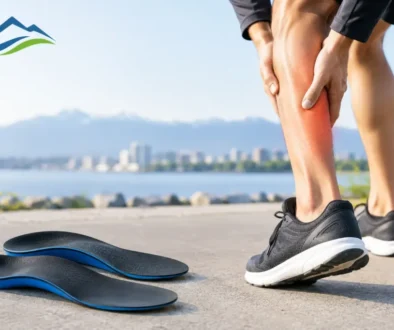
Pain patterns offer useful clues. Morning heel pain can be associated with plantar fasciitis. Burning or pressure across the ball of the foot may point to forefoot overload. Aching along the inside of the ankle, recurring shin discomfort, or knee pain that worsens late in a shift can sometimes relate to poor foot control. Footwear is worth reviewing in each case, but persistent symptoms deserve a clinical assessment rather than guesswork.
What Supportive Work Footwear Should Provide
Support is not simply extra padding. A highly cushioned shoe can feel pleasant at first while allowing too much motion through the foot. Conversely, a very firm work shoe may be stable but uncomfortable if the fit is wrong or the shoe does not accommodate your foot shape.
A stable heel counter
The heel counter is the firm structure around the back of the shoe. Press it gently with your thumb. It should resist collapsing easily and help hold the heel in place. A stable heel can limit excessive side-to-side movement and provide a more consistent platform as you walk.
This matters for people with flat feet, recurring ankle discomfort, or fatigue along the lower leg. It is not about making the foot rigid. It is about providing enough control that every step does not require the foot and lower leg to work overtime.
Appropriate midsole firmness
The midsole is the layer between the upper shoe and the outsole. It helps manage impact and influences how much the shoe bends and twists. Work footwear should generally have enough cushioning to reduce repetitive impact, while remaining firm enough to avoid feeling unstable.
Try twisting the shoe through the middle. Some flexibility near the toes is normal, because the foot needs to bend there during walking. A shoe that folds or twists very easily through the arch is often less supportive for long standing or walking shifts. The correct amount of firmness depends on the person, their job, and their symptoms.
A secure, properly shaped fit
A supportive shoe that is too narrow can aggravate bunions, toe pain, numbness, or pressure at the ball of the foot. A shoe that is too long or loose can allow the heel to slide, leading to friction, toe gripping, and instability.
There should be a small amount of room in front of the longest toe, but the foot should not slide forward on a downhill walk. The toe box should match the width and shape of your forefoot. If you regularly take off your shoes after work and see red marks, tingling, or compressed toes, do not assume this is normal break-in discomfort.
A removable insole when possible
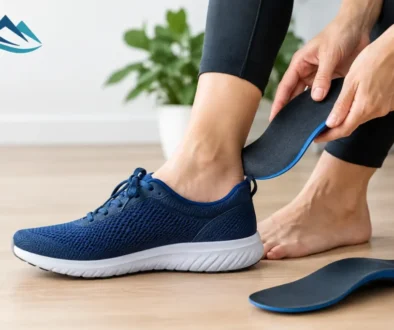
A removable factory insole creates room for a more appropriate support device if needed. This is particularly helpful for people who use custom orthotics or require more consistent arch and heel support than the original insert provides.
Do not force an orthotic into a shoe that is already shallow or tight. Removing the original insole without enough depth can lift the heel out of the shoe, change the fit, and create rubbing. The shoe and orthotic need to work together as a system.
Do Not Shop Only by Arch Height
People often ask whether they need a high-arch shoe or a flat-foot shoe. The answer is rarely that simple. Two people with similarly low arches can have very different movement patterns, pain locations, activity demands, and tolerance for firm support.
Arch shape seen while standing is only one part of the picture. Clinicians also consider how the foot moves during walking, how the ankle and lower leg align, whether one side behaves differently from the other, and where symptoms occur. A person with a high arch may need shock absorption and pressure relief, while another may need greater stability. Someone with flat feet may benefit from guidance that reduces excessive strain, but should not be placed in a shoe that causes painful pressure beneath the arch.
This is why a retail label such as “motion control” or “maximum cushion” is not a diagnosis. It can be a useful starting point, not a complete solution.
Match the Shoe to Your Work Environment
Workplace requirements matter alongside comfort. Slip-resistant soles may be essential in kitchens, clinics, and wet entryways. Protective footwear may be required on industrial sites. For workers who spend most of the shift stationary, cushioning and pressure distribution can be especially relevant. For those who walk several kilometers each day, shoe weight, heel security, and rollover through the forefoot may matter more.
If your work requires a safety shoe or boot, look for the same core features: a stable heel, enough room in the toe box, a secure closure, and a midsole that does not collapse under your weight. Safety footwear is often heavier and stiffer than casual shoes, so fit becomes even more important. Try it on with the socks you use at work, preferably later in the day when feet are naturally a little fuller.
Avoid relying on worn-out footwear because it still looks acceptable. Outsole tread can wear unevenly, midsoles can compress, and the heel can lose its structure long before the upper appears damaged. If pain began around the same time your work shoes started leaning to one side or feeling flat, replacement may be part of the answer.
Know When an Insole Is Enough and When It Is Not
Over-the-counter insoles can improve comfort for some people, especially when the original shoe insert is thin or worn down. They can be a reasonable short-term option for mild fatigue or for a shoe that otherwise fits well. Look for an insole that sits flat, does not crowd the toes, and does not cause new pressure under the arch.
However, generic insoles are made for a general foot shape. They do not account for differences in arch contour, heel position, leg alignment, or how your foot functions during movement. If you have recurring plantar fasciitis, ongoing heel pain, frequent ankle rolling, metatarsalgia, or pain that travels into the knees, hips, or low back, a more individualized assessment can be useful.
At Vancouver Orthotics Clinics by Dr. Michael Horowitz, a practitioner-led evaluation can examine symptoms, footwear wear patterns, joint movement, and walking mechanics. The clinic’s structured process includes 3D foot scanning and clinical recommendations based on the findings. When custom orthotics are appropriate, they are designed to work inside suitable footwear rather than replace the need for a well-fitting shoe.
Bring Your Work Shoes to an Assessment
Your existing work footwear contains useful information. Uneven wear at the heel, heavy breakdown along one edge, or a toe box that has stretched more on one side can help show how forces are traveling through the foot. Bringing the shoes you wear most often also helps determine whether there is adequate room for support and whether the shoe itself is contributing to your symptoms.
A clinical assessment is especially worthwhile when pain lasts beyond a couple of weeks, returns every time your shifts increase, changes your walking pattern, or limits exercise outside work. Early attention can prevent a minor irritation from becoming the reason you avoid movement altogether.
The best work shoe is not the one with the loudest support claim. It is the one that fits your foot, matches your work, and helps you finish the day with less strain. If your footwear is doing the opposite, bring it with you to an appointment and let the pattern of your symptoms guide the next step.