Bunion Pain Orthotic Options That Fit Your Feet
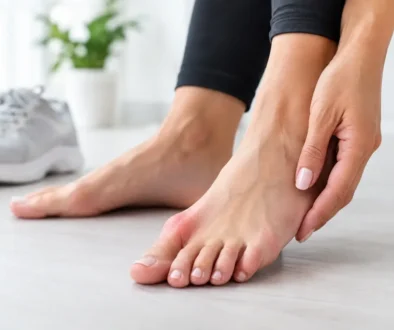
A bunion may look like a bump at the base of the big toe, but the pain often shows up elsewhere first: pressure in a work shoe, aching under the forefoot, a burning sensation after a long walk, or soreness that makes you change how you step. The right bunion pain orthotic options can reduce stress on the irritated area and support a more comfortable walking pattern. The key is choosing support for the way your feet function, rather than buying an insert based only on where the bump hurts.
Why a Bunion Can Become Painful
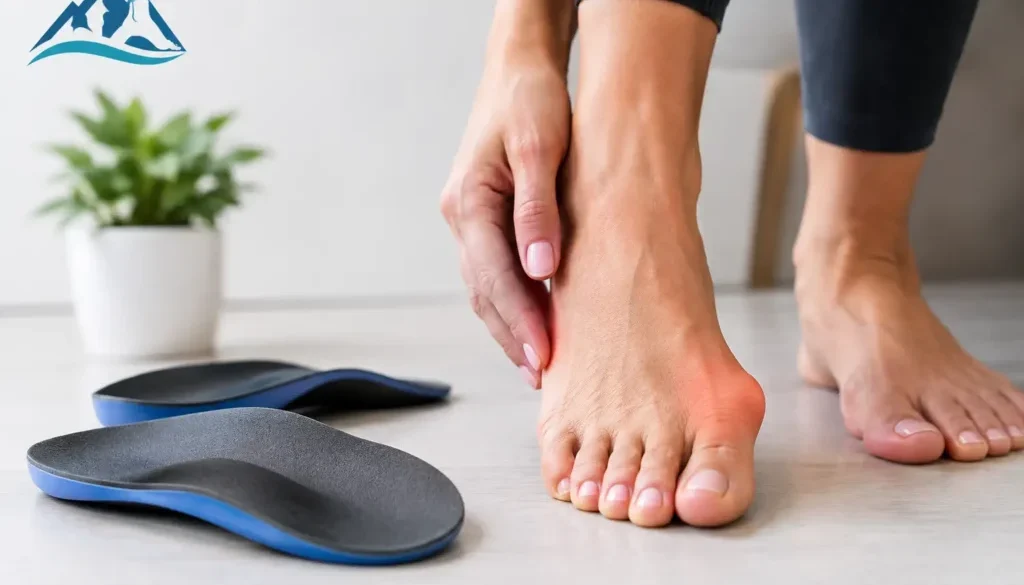
A bunion develops when the big-toe joint gradually shifts out of alignment. The big toe angles toward the smaller toes while the joint at its base becomes more prominent. Genetics, foot structure, ligament laxity, flat feet, footwear pressure, and repetitive loading can all play a role.
The visible bump is not always the main source of discomfort. Some people have irritation from their shoe rubbing against the joint. Others feel pain beneath the ball of the foot because weight is being transferred away from the big toe. As the foot tries to avoid a painful push-off, the smaller toes, arch, ankle, knee, hip, or lower back may take on more work.
An orthotic does not straighten the joint. Its role is more practical: it can improve how forces move through the foot, reduce strain on sensitive tissues, and help the foot work more efficiently inside a properly fitted shoe. Whether it helps substantially depends on your foot mechanics, activity level, footwear, and how advanced the joint irritation is.
Bunion Pain Orthotic Options: What Actually Changes
Orthotic choices range from basic retail insoles to clinician-prescribed custom devices. There is no single insert that suits every bunion, and a device that feels soft is not automatically the one that provides the most useful support.
Over-the-counter insoles
A quality non-custom insole may be a reasonable starting point for mild, occasional symptoms. Look for one with a stable heel cup, supportive arch contour, and enough forefoot room that it does not crowd the toes. A flexible, flat insole with little structure may feel pleasant at first but may not meaningfully change the loading that contributes to pain.
Retail insoles are usually most helpful when a person has relatively straightforward needs, predictable footwear, and symptoms that settle quickly with better support. They can also be useful as a backup for casual shoes when a custom orthotic is used in work or athletic footwear.
The trade-off is fit. Store-bought insoles are made around average foot shapes. If one arch collapses more than the other, your heels tilt differently, or your pain is concentrated under a specific part of the forefoot, a generic device may not address the issue well.
Bunion pads and toe spacers
Gel bunion pads can reduce friction between the joint and the side of a shoe. Toe spacers may provide temporary comfort for some people by separating the big toe from the second toe. These products can be useful additions, particularly when rubbing is the primary complaint.
They do not control the movement of the foot during walking, however. A spacer may also take up valuable room in a narrow shoe and increase pressure on the bunion. If a product causes numbness, more rubbing, or added toe pain, it is not the right fit for that shoe.
Custom orthotics
Custom orthotics are prescribed after an assessment of your symptoms, foot posture, joint motion, gait, footwear, and the way each foot loads the ground. The device is built to the contours and functional needs of your feet rather than selected from a shelf.
For bunion-related pain, a custom orthotic may include features intended to improve arch support, manage excess pronation, redistribute pressure beneath the forefoot, or create a more controlled platform for push-off. The exact design matters. A device for a flexible flat foot that contributes to bunion stress may differ from one used for a high-arched foot with painful pressure under the first metatarsal.
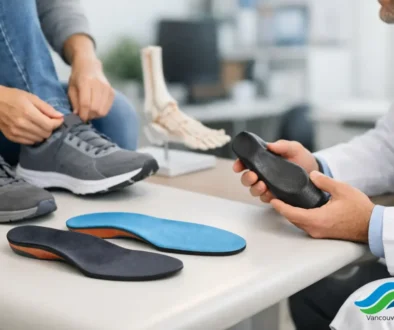
At Vancouver Orthotic Clinics by Dr. Michael Horowitz, the clinical process includes practitioner evaluation, diagnosis, 3D foot scanning, and a custom orthotic recommendation based on your findings. That level of assessment is valuable when pain keeps returning, affects your work or exercise, or occurs alongside heel pain, metatarsalgia, ankle discomfort, or knee pain.
Footwear changes that make orthotics work better
Even a well-made orthotic has limits inside a tight, shallow, or worn-out shoe. Shoes should have a toe box wide enough that the bunion is not constantly compressed, a secure heel, and a removable insole when possible. A stable sole can also reduce how much the forefoot must bend during push-off.
This does not mean every shoe needs to be stiff or bulky. The goal is enough room and structure for your foot and orthotic to function without creating new pressure points. Bring the shoes you wear most often to an assessment if possible, especially work shoes, walking shoes, and athletic footwear.
Signs You May Need More Than a Retail Insert
Mild bunion discomfort that appears only after an unusually long day may respond to roomier footwear and a supportive insole. But recurring symptoms deserve a closer look, especially if you are changing your gait to avoid the big toe.
A clinical assessment is sensible when pain persists for several weeks, the joint becomes increasingly tender or swollen, you develop calluses beneath the forefoot, or walking and standing begin to affect your usual routine. It is also useful if one foot is much more painful than the other. Asymmetry can point to a difference in foot mechanics, leg loading, footwear wear patterns, or an issue beyond the bunion itself.
People who stand for full shifts in retail or health care, walk Vancouver’s neighborhoods daily, run, or train in the gym often need support that holds up under repeated loading. In those situations, the question is not simply whether an insert feels comfortable while seated. It is whether it improves comfort and control after hours on your feet.
What a Clinical Orthotic Assessment Looks For
A useful assessment starts with your story. When does the bunion hurt? Is the pain on the bump, under the ball of the foot, between the toes, or in the arch? Does it feel worse in certain shoes, first thing in the morning, during hills, or after standing at work?
The practitioner then evaluates foot posture, joint motion, strength, alignment, and gait. A 3D scan captures detailed foot contours for a custom device, but the scan is only one part of the process. The clinical findings determine how the orthotic should be designed and whether other conservative measures, such as footwear modifications, activity adjustments, or targeted exercises, should be part of the plan.
This is also the time to discuss extended-health benefits. Many plans have specific requirements for orthotic claims, including a prescription and supporting documentation. Asking before your appointment can help you understand what documents to retain and what your insurer may require.
Getting Used to an Orthotic Without Creating New Pain
An orthotic should feel supportive, not like a hard object you must tolerate. Some adjustment is common because the device changes how the foot is loaded, but sharp pain, numbness, blistering, or worsening bunion pressure are reasons to contact the clinic for a review.
Most people do best by wearing a new orthotic for short periods at first, then increasing wear time over several days as directed. Use it in a shoe with adequate depth and a removable liner. If you switch it between shoes, check that it sits flat and does not lift your heel too high.
Keep an eye on the full picture. Better bunion management may mean less soreness at the joint, but it can also mean fewer calluses, a more comfortable push-off, and less fatigue after walking or standing. Those functional changes are often more meaningful than whether the bump itself looks different.
If your bunion is changing the way you move, you do not have to guess between a gel pad and another generic insole. A clinician-led assessment can clarify which support is appropriate for your feet, your shoes, and the activities you want to keep doing comfortably.