

When Do Bunions Need Treatment? Signs to Watch
A bunion may begin as a small bump beside the big toe that only bothers you in certain footwear. Over time, however, it can affect how your foot bears weight, how comfortably you walk, and even whether you stay active. People often ask, “when do bunions need treatment?” The short answer is: when pain, pressure, or changes in foot function begin interfering with daily life – not simply because the bump is visible.
A clinical assessment can clarify whether the bunion is the source of your discomfort, whether another issue is contributing, and which conservative treatment approach makes sense for your feet and routine.
A visible bunion does not always mean treatment is needed
A bunion is a change in alignment at the joint at the base of the big toe. The big toe gradually shifts toward the smaller toes while the joint becomes more prominent on the inside of the foot. Some people have a noticeable bunion for years with little or no discomfort. Others develop pain early, particularly if they spend long days standing, walking, or wearing footwear that puts pressure on the joint.
The appearance of the bump alone is not a reliable measure of how much care you need. A small bunion can be quite painful if it rubs against footwear or changes how the foot moves. A larger one may be manageable if it is not painful and does not limit function. The more useful question is whether your symptoms are becoming regular, progressive, or disruptive.
When do bunions need treatment? Start with the symptoms
Treatment is worth considering when the bunion causes recurring pain or begins to change the way you move. Pain at the big-toe joint after walking, working, exercising, or standing is one of the clearest signs. You may also notice soreness along the inside of the foot, burning from friction, or swelling after a busy day.
Footwear problems are another practical signal. If you are routinely choosing larger footwear to accommodate the bump, avoiding favorite walking shoes, or developing blisters and calluses where the joint rubs, the bunion is affecting your daily comfort. This is particularly common among retail workers, healthcare workers, and active adults across Greater Vancouver who spend many hours on their feet.
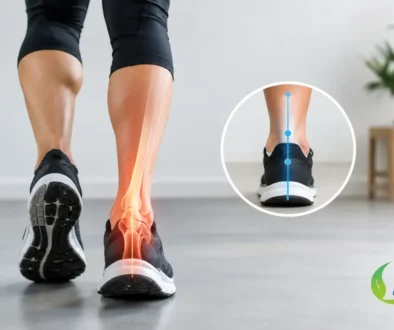
Pay attention to changes in gait as well. Some people start rolling onto the outside of the foot to avoid loading the painful joint. Others shorten their stride or avoid pushing off through the big toe. These adjustments may relieve pressure temporarily, but they can shift stress to the ball of the foot, ankle, knee, hip, or low back.
A bunion assessment is also sensible if you have repeated pain beneath the forefoot, often called metatarsalgia, or if the second toe begins to crowd, lift, or rub against footwear. These changes can suggest that the big toe is no longer sharing load efficiently during walking.
Symptoms that should be assessed promptly
Bunion symptoms usually develop gradually, but some signs should not be ignored. Seek a clinical assessment promptly if pain is suddenly severe, the joint becomes very hot or red, swelling increases quickly, or you cannot comfortably bear weight. A bunion-like bump is not always the only explanation for sudden big-toe pain, so an accurate diagnosis matters.
You should also book an assessment if numbness, tingling, skin breakdown, or a wound develops around the joint. Ongoing pressure and rubbing can irritate the skin, especially when footwear is narrow in the toe area. Do not wait until walking becomes difficult to seek help.
For children and teens, early assessment can be useful when a big-toe alignment change is visible and causing pain, limiting sports, or making footwear difficult to fit. Foot development, family history, foot posture, and activity demands all influence the best next steps.
Why bunions can become painful
Bunions are not caused by one thing alone. Foot mechanics often play a meaningful role. For example, flat feet or a foot that rolls inward excessively can change the forces traveling through the big-toe joint with every step. Limited motion at the joint, calf tightness, joint laxity, and family tendencies may also contribute.
Footwear does not create every bunion, but a narrow or shallow toe area can aggravate an existing alignment change by pressing directly on the joint. This is why symptoms may seem to flare with certain work shoes, casual shoes, or athletic footwear.
The key is to look beyond the bump. A clinician should assess how you stand, walk, and transfer weight through the foot. That broader view helps identify whether the bunion is linked with flat feet, forefoot overload, Achilles tendon tightness, or pain elsewhere in the lower limb.
Conservative treatment focuses on pressure and mechanics
For many people, bunion treatment begins with reducing irritation and improving how the foot functions during walking. The right plan depends on the severity of symptoms, your foot shape, your activity level, and the type of footwear you need for work or exercise.
Practical footwear changes can make a real difference. Look for a toe area with enough width and depth that the bunion is not compressed. A stable sole and secure fit through the heel can also help reduce unwanted foot motion. The goal is not to find a single “perfect” shoe, but to avoid repeated pressure on an already sensitive joint.
Temporary padding, toe spacers, and activity adjustments may help reduce rubbing during a flare. These measures can be useful for comfort, but they do not address the underlying load patterns that may be contributing to the problem.
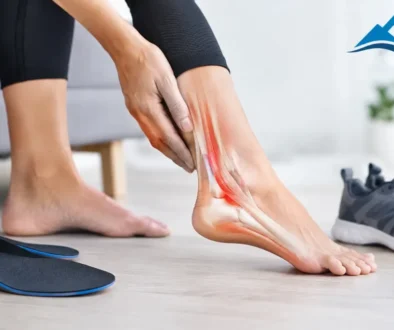
Custom orthotics are often considered when bunion pain is connected to flat feet, excessive inward rolling, forefoot pressure, or recurring symptoms during walking and standing. A properly prescribed orthotic is designed to support the foot in a way that improves load distribution and may reduce stress at the big-toe joint. It should be based on a clinical examination rather than selected from a retail shelf.
At Vancouver Orthotics Clinics by Dr. Michael Horowitz, the assessment process includes practitioner evaluation, gait and foot-function findings, and 3D foot scanning when appropriate. This helps create a clear picture of the mechanics involved before a custom orthotic is prescribed. For someone whose bunion pain appears alongside heel pain, plantar fasciitis, knee discomfort, or recurring forefoot soreness, this whole-chain assessment can be especially valuable.
What to expect from a bunion assessment
A useful appointment starts with your story. Your clinician will want to know when the bump became noticeable, what makes it worse, which footwear you use most often, and whether pain is affecting work, walking, sports, or sleep. Bring the footwear you wear most frequently if possible. Wear patterns can offer practical clues about pressure and gait.
The examination should include the big-toe joint, foot posture, range of motion, areas of tenderness, and the way your lower limb aligns while standing and walking. If custom orthotics are recommended, 3D scanning can help capture the contours and functional needs of your feet for the prescription process.
Treatment is not one-size-fits-all. A person who runs regularly may need a different plan from someone who stands for eight hours in a workplace, while a patient with flexible flat feet may need different support than someone with a stiff big-toe joint. Clear recommendations should explain what the treatment is intended to change and what improvements are realistic over time.
Do not wait for pain to become your normal
Bunion discomfort often fluctuates. A quieter week can make it easy to postpone care, then a long walk, work shift, or change in footwear brings the pain back. If the pattern is repeating, that is enough reason to get answers.
Early conservative care is generally about preserving comfortable movement, reducing pressure, and helping you stay active in the footwear and routines your life requires. If your big toe is sore, your shoes are becoming harder to tolerate, or you are changing the way you walk to cope, booking an assessment is a practical next step. New patients are welcome, and a clinician can help you understand what your feet need before discomfort starts setting the limits.