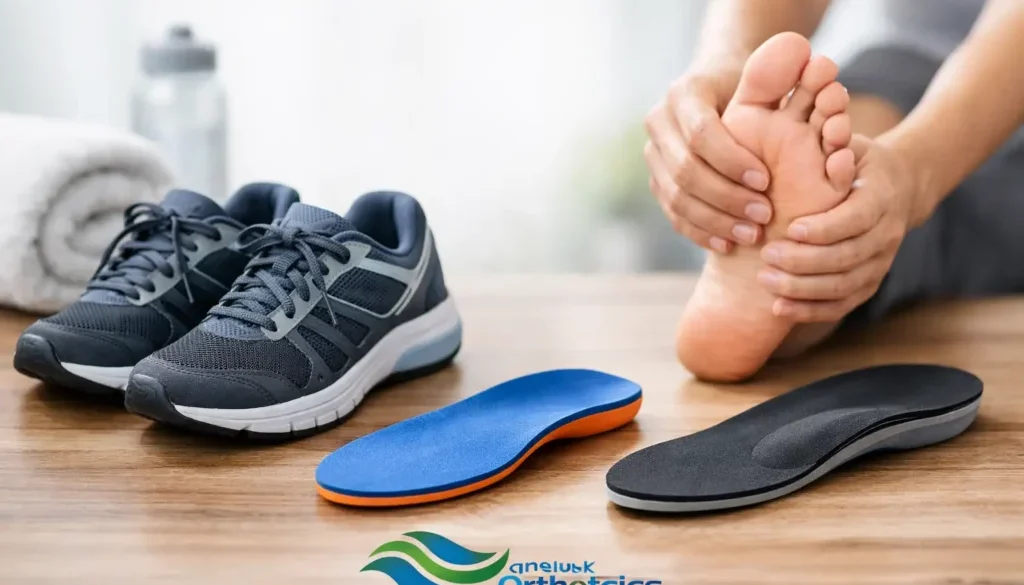
Supportive Shoes Versus Insoles for Foot Pain
A supportive walking shoe may feel like the obvious answer when your heel hurts on the first steps of the morning or your knees ache after a shift on your feet. But supportive shoes versus insoles is not really an either-or decision for many people. Shoes provide the platform your foot lands on. Insoles can change how your foot is supported and how forces move through the foot, ankle, knees, hips, and lower back.
The right choice depends on the symptom, the activity, the shape and function of your feet, and the condition of the shoes you already own. A retail insole can be useful for mild fatigue or short-term comfort. Recurring pain, one-sided symptoms, or pain that limits work, walking, or exercise deserves a clinical assessment rather than another trial-and-error purchase.
What Supportive Shoes Actually Do
A supportive shoe is designed to provide a stable base under the foot. Features may include a firm heel counter, enough width through the toe box, a sole that does not twist easily, and cushioning appropriate for the activity. For someone walking around Downtown Vancouver, working in retail, or standing through a healthcare shift, those basics can make a meaningful difference by reducing pressure and foot fatigue.
Supportive footwear is especially helpful when the current shoe is worn down, too flexible, too narrow, or unsuitable for the activity. A running shoe that has lost its midsole support, for example, may contribute to sore arches, heel pain, shin discomfort, or knee strain. Replacing it can be a sensible first step.
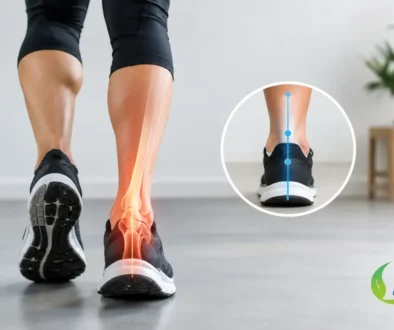
However, a supportive shoe is made for a broad range of foot shapes. It cannot account for the specific way your foot rolls inward or outward, whether one arch collapses more than the other, a difference in pressure between the left and right foot, or how your foot mechanics affect a painful area. A good shoe can offer a better foundation, but it does not automatically correct the cause of persistent symptoms.
Signs a Shoe Is Providing Useful Support
You should generally feel stable rather than squeezed. Your heel should sit securely without sliding, your toes should have room to move, and the shoe should bend near the forefoot rather than folding in the middle. The shoe should also match the job it is being asked to do. A casual sneaker may be comfortable for errands but may not hold up for long shifts, trail walking, or regular running.
Comfort matters, but it is not the only test. Very soft shoes can feel pleasant in the store while allowing excessive motion during a long day. On the other hand, a shoe that feels unusually rigid or presses on a bunion, prominent heel, or forefoot can aggravate pain even if it is marketed as supportive.
Where Insoles Fit In
Insoles sit inside the shoe and influence the contact between your foot and the footwear. Over-the-counter insoles are typically pre-shaped and available in standard arch heights. They may add cushioning, distribute pressure, or provide a modest amount of arch support. For occasional soreness after a busy weekend or a temporary increase in activity, they can be a reasonable option.
The limitation is fit. A pre-made insole does not know where your heel loads, how high or flexible your arch is, whether your forefoot needs relief, or whether your symptoms are tied to a specific movement pattern. An insole that feels supportive to one person can feel intrusive, unstable, or painful to another.
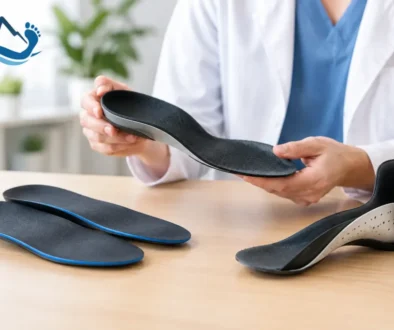
Custom orthotics are different from generic inserts because they are prescribed after an assessment of your symptoms, gait, foot function, and footwear needs. They are designed to support or accommodate your individual mechanics. Depending on the diagnosis, the goal may be to reduce strain on the plantar fascia, improve control for flat feet, offload pressure under the forefoot, or reduce the pull on an irritated Achilles tendon.
Supportive Shoes Versus Insoles: Which Should You Try First?
If your pain began after your shoes became visibly worn, after changing jobs, or after starting a new activity, begin by looking honestly at your footwear. A well-fitting, activity-appropriate shoe may resolve mild discomfort without further intervention. Do not place an insole into a shoe that is collapsed, too narrow, or unstable and expect it to solve the problem.
If you have ongoing heel pain, recurring plantar fasciitis, ankle discomfort, shin splints, metatarsalgia, or pain that moves up to the knee, hip, or low back, footwear alone may not be enough. These symptoms can be connected to the way force is traveling through your lower limbs. The most useful next step is an assessment that identifies the driver of the pain before choosing an orthotic device.
For many patients, the answer is both: a stable shoe with a properly fitted orthotic inside it. The shoe protects and supports the orthotic, while the orthotic provides more individualized contact and control. This combination is often more effective than buying increasingly expensive shoes or cycling through several generic inserts.
A Common Example: Morning Heel Pain
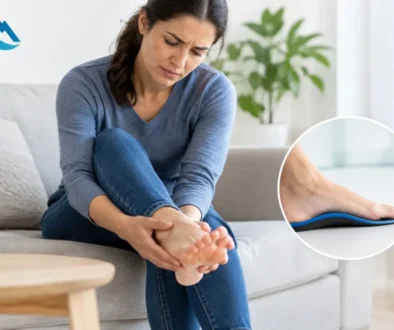
Morning heel pain is often associated with plantar fasciitis. A supportive shoe may reduce discomfort during the day, particularly if the person has been wearing unsupportive slippers, sandals, or worn-out sneakers. But if the pain returns each morning, flares after standing, or repeatedly limits walks and exercise, the issue may involve more than shoe cushioning.
A clinical evaluation can determine whether plantar fascia strain, limited ankle motion, flat-foot mechanics, calf tightness, or another factor is contributing. Treatment recommendations may include custom orthotics, footwear guidance, targeted stretching, and changes to activity load. The plan should reflect the diagnosis, not simply the location of pain.
Why the Shoe-Insole Combination Must Fit
An excellent insole can fail in the wrong shoe. If the shoe is too shallow, the insole may lift the heel and cause rubbing. If the toe box is narrow, it can increase pressure on bunions or the forefoot. If the shoe has excessive wear on one side, the insole is starting from an uneven base.
Bring the shoes you wear most often to an appointment when possible. Work shoes, walking shoes, running shoes, and everyday sneakers can reveal different patterns of wear and support needs. A device intended for a running shoe may not suit a dress shoe or work boot without adjustments to its design.
It is also normal to need an adaptation period with a new orthotic. The goal is supported, more efficient movement, not an immediate feeling of maximum arch pressure. If discomfort increases, the device should be reviewed rather than ignored. Fit, break-in guidance, and follow-up are part of responsible orthotic care.
When a Clinical Assessment Is Worth It
Consider booking an assessment if pain lasts more than a few weeks, keeps returning, changes the way you walk, or causes you to stop activities you normally enjoy. Assessment is also useful if one foot is much more painful than the other, if you have flat feet with increasing fatigue, or if a store-bought insole has not helped.
At Vancouver Orthotics Clinics by Dr. Michael Horowitz, practitioner-led care begins with a detailed evaluation and diagnosis. The clinic’s structured process includes examining symptoms and lower-limb function, using 3D foot scanning where appropriate, and recommending treatment based on measurable foot biomechanics. This can help clarify whether you need new footwear, a non-custom insole, a custom orthotic, or a combination of approaches.
Extended-health plans often include orthotic benefits, although plan requirements vary. Before proceeding, it is wise to review your coverage details and ask what documentation is needed for a claim. Clear guidance before treatment can prevent avoidable surprises later.
Choose Relief That Matches the Problem
Do not judge supportive shoes solely by brand, price, or a label claiming “arch support.” Do not judge insoles solely by how firm they feel. The useful question is whether the support matches your foot function, your symptoms, and the demands of your day.
If your footwear is worn out, replace it with a stable, well-fitting option. If pain keeps interrupting your work, walks, training, or mornings, get it assessed. A thoughtful plan can help you move with more comfort and confidence, one step at a time.