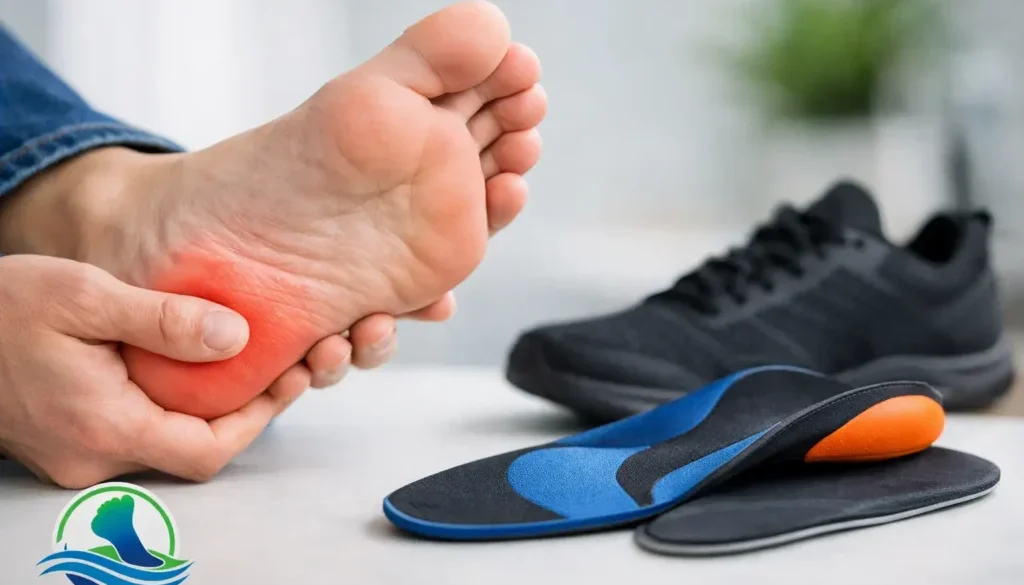
Heel Spurs and Orthotics That Reduce Pain
The first steps out of bed can be the most telling. If a sharp, bruised, or burning sensation hits the bottom of your heel before easing as you move around, heel spurs and orthotics may already be on your mind. The key is understanding that a heel spur seen on an image is not always the direct source of pain. The way your foot loads the ground, the tension through the plantar fascia, and the support inside your footwear often matter far more.
For people who walk Vancouver seawalls, stand through retail or healthcare shifts, train at the gym, or spend long hours on hard office floors, recurring heel pain can gradually limit everyday movement. A clinical assessment can identify why the heel is being overloaded and whether custom orthotics are an appropriate part of a conservative treatment plan.
What Is a Heel Spur?
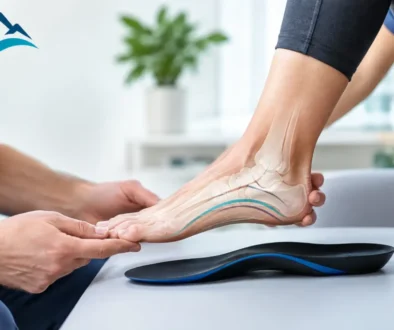
A heel spur is a small bony growth that can develop where connective tissue attaches to the heel bone. On the bottom of the heel, it is commonly associated with ongoing pull from the plantar fascia, the strong band of tissue that runs from the heel toward the toes. Spurs can also occur at the back of the heel, near the Achilles tendon attachment.
It is common to assume that the spur itself is “stabbing” the foot. In reality, many people have heel spurs without pain, while others have significant heel pain with no visible spur. Symptoms are often related to irritated soft tissue, repeated strain, and poor load distribution rather than the size of a bony growth.
This distinction matters because effective care should focus on the cause of strain, not simply on the presence of a spur. If the foot rolls inward excessively, collapses through the arch, becomes unstable during walking, or is not well supported in a work shoe, the plantar fascia may be pulled repeatedly at its heel attachment.
Why Heel Pain Often Starts Before the Day Does
Plantar fasciitis is one of the most frequent conditions associated with bottom-of-the-heel pain. It often causes pain during the first few steps after sleeping, sitting, or driving. The area may loosen with gentle movement, then become sore again after a long day on your feet.
Several factors can contribute. Flat feet or flexible arches may allow more strain through the plantar fascia. Very high arches can concentrate pressure under the heel. A sudden increase in running, walking, hill training, or standing hours can exceed what the tissues are ready to handle. Worn-out footwear, thin-soled shoes, and a change in work or exercise routine may also play a role.
Heel pain at the back of the heel can be different. It may involve irritation around the Achilles tendon attachment or pressure from a stiff heel counter in a shoe. This is why a one-size-fits-all heel insert is not always the right answer. The location of symptoms, foot posture, ankle motion, walking pattern, and footwear all help guide treatment.
How Orthotics Help With Heel Spurs
Custom orthotics do not remove a heel spur. Their role is to change the forces that keep aggravating the heel. When prescribed to match your foot mechanics and the shoes you actually wear, they can support the arch, reduce excessive motion, cushion vulnerable areas, and improve how pressure travels through the foot and lower limb.
For a person with plantar fasciitis and a collapsing arch, an orthotic may help reduce repeated traction on the plantar fascia. For someone whose heel takes too much impact with every step, cushioning and targeted heel accommodation may be more relevant. If ankle, knee, hip, or low back discomfort is also present, the clinician will consider how foot mechanics may be affecting the full movement chain.
The best design depends on the person. A firmer device may be appropriate when control and stability are the priority, while a different material or added cushioning may suit a sensitive heel or a high-impact activity. Your work boots, running shoes, casual footwear, and amount of time on your feet all influence the prescription.
Why Generic Insoles Sometimes Fall Short
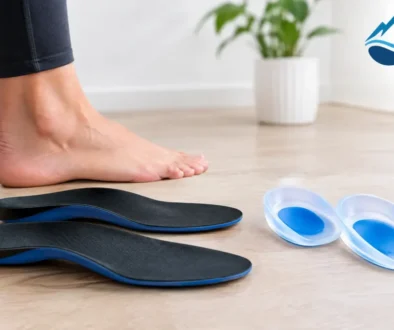
A store-bought insole can be a reasonable short-term comfort measure, especially if it provides more cushioning than a worn shoe liner. However, it is made for an average foot and cannot account for the exact shape of your arch, asymmetry between feet, joint motion, or the way you walk.
For persistent heel pain, the limitation is often not a lack of padding. It is that the underlying loading pattern has not changed. If an insole pushes in the wrong area, is too soft to provide needed support, or does not fit the shoe properly, it may offer little improvement. In some cases, it can make the foot feel more crowded or uncomfortable.
What a Clinical Orthotic Assessment Looks For
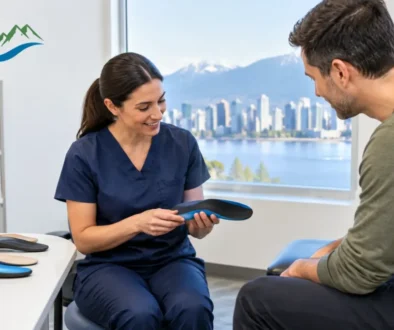
At Vancouver Orthotics Clinics by Dr. Michael Horowitz, assessment begins with more than a quick look at the foot. The goal is to connect your symptoms to measurable mechanics and a practical plan for daily life.
A practitioner will discuss when the pain started, where it is located, what makes it worse, and whether you have noticed changes in activity, footwear, work demands, or exercise. They assess foot posture, arch function, joint movement, and areas of tenderness, while also considering how you stand and walk.
The clinic’s 5-step process includes practitioner evaluation and a detailed 3D foot scan when custom orthotics are indicated. The scan creates an accurate model of your feet to support the orthotic prescription. Your clinician can then select features based on the source of strain rather than relying on a pre-made template.
This evaluation also helps distinguish heel-spur-related concerns from other causes of heel pain. A confirmed diagnosis matters because treatment for pain under the heel can differ from treatment for pain behind the heel, nerve irritation, or a stress-related injury.
Orthotics Work Best as Part of a Plan
Orthotics can be highly useful, but they are not a substitute for every other change. Most heel pain responds best when the irritated tissue is given a chance to settle while the mechanics causing repeated strain are addressed.
Footwear is a practical place to start. Shoes should have adequate space, a stable base, and enough structure to work with the orthotic. Very worn shoes may no longer provide reliable support, while very flat or unsupportive footwear can keep loading the heel even when an orthotic is used.
Gentle calf and plantar fascia mobility may also be recommended when tightness is contributing to pull on the heel. Activity modification can be helpful during a flare-up. That does not necessarily mean stopping movement altogether. It may mean temporarily reducing hills, impact, long walks, or standing breaks until symptoms improve.
Consistency is equally important. If your heel hurts only after long shifts but orthotics are worn only for occasional outings, the foot is not receiving support when it needs it most. Your clinician can advise which shoes should receive the orthotics first and how to build up wear time comfortably.
When to Book an Assessment for Heel Pain
Consider a clinical assessment if morning heel pain continues beyond a couple of weeks, symptoms keep returning, or your normal walking, work, or exercise routine is becoming restricted. An assessment is also sensible when pain spreads into the arch, Achilles area, ankle, knee, hip, or low back, as these symptoms can sometimes share a biomechanical contributor.
Seek timely care if you cannot comfortably bear weight, the heel becomes significantly swollen or red, there is numbness or tingling, or pain began after a distinct injury. These signs need proper evaluation rather than self-treatment with an insert alone.
If you have extended health benefits, ask the clinic what documentation your plan may require for a custom orthotic claim. Requirements vary by provider, and confirming the details before your appointment can make the process easier.
A painful heel should not become the reason you avoid the walks, workdays, and activities that matter to you. The most useful next step is a clear diagnosis and a plan that fits your feet, footwear, and daily demands.