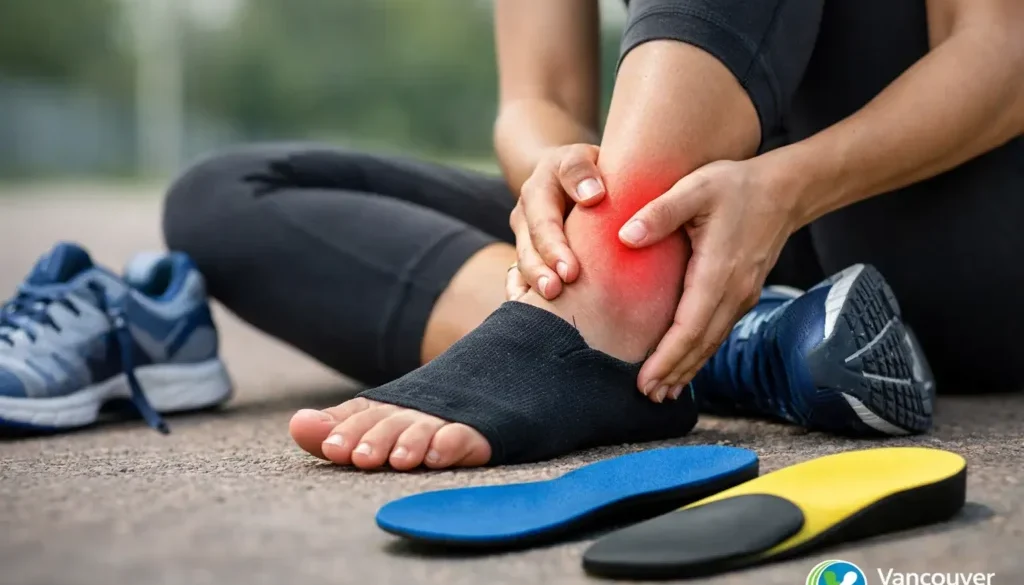
Why Ankle Pain From Overpronation Keeps Returning
A walk around the Seawall, a retail shift, or an easy run can become frustrating when the inside or outside of your ankle starts aching again. Ankle pain from overpronation often develops because the foot rolls inward farther or longer than it can comfortably control after it contacts the ground. That motion is normal in small amounts. The concern is not pronation itself, but a pattern of excessive motion that repeatedly loads the ankle, tendons, and lower leg.
For many people, the pain is not caused by one bad step. It is the result of hundreds or thousands of steps taken with a foot that is not being supported or controlled well enough for that person’s activity level, body mechanics, or footwear.
What overpronation does to the ankle
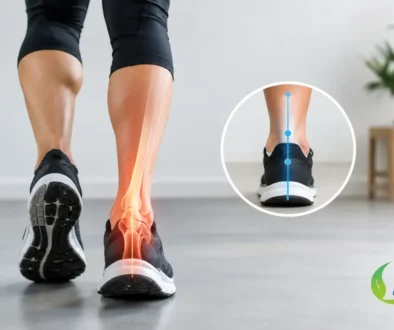
Pronation is the inward rolling motion of the foot that helps absorb impact as you walk or run. When it is well controlled, it is a useful part of normal movement. With overpronation, the arch may drop more than expected and the heel may roll inward. The lower leg can then rotate inward as well.
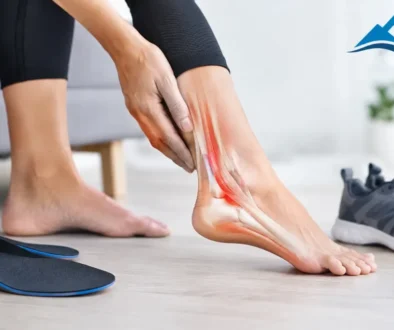
This changes how forces travel through the ankle. Structures along the inside of the ankle, including the tendons that help support the arch, may have to work harder. The outside of the ankle may also feel sore as the joint and surrounding tissues repeatedly compensate for the altered position. Some people notice a deep, tired ache; others feel tenderness near the ankle bone, stiffness after rest, or discomfort that builds during longer walks.
Flat feet can contribute, but they are not the whole story. A person can have low arches without pain, while someone with an average-looking arch can still overpronate dynamically during walking or running. That is why an in-person gait and foot-function assessment is more informative than judging your feet from a single photo or footprint.
Signs your ankle symptoms may be linked to overpronation
Pain patterns vary, but a few clues can point toward a biomechanical contribution. You may notice that one shoe heel wears down more on the inner side, your ankles appear to roll inward when you stand, or your feet feel fatigued after time on hard floors. Symptoms may worsen in worn-out footwear, after a jump in running mileage, or during long standing shifts.
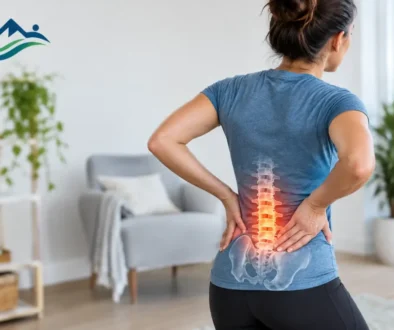
Pain on the inner ankle can occur when tissues that help manage arch motion are under repeated strain. Pain on the outer ankle may occur when the ankle is working in a less stable position or when the foot rolls outward after an exaggerated inward motion. Overpronation can also occur alongside heel pain, Achilles tendon irritation, shin discomfort, knee pain, hip pain, or low back pain because the same movement pattern affects the whole lower limb.
These associations do not mean overpronation is automatically the cause. Ankle pain can also follow a sprain, tendon injury, joint irritation, inflammatory condition, nerve issue, or stress-related bone injury. A proper assessment separates a likely foot-mechanics issue from problems that need different care.
When to get assessed promptly
Do not try to walk through severe pain. Seek timely clinical assessment if you cannot bear weight normally, have marked swelling or bruising, notice numbness, redness or warmth, experience pain at rest or at night, or develop symptoms after a clear twist or fall. Sudden calf swelling or shortness of breath requires urgent medical attention.
For recurring but less severe symptoms, an assessment is still worthwhile when ankle pain keeps returning, limits exercise, or has not improved after a reasonable period of reducing aggravating activity and improving footwear.
Why generic insoles do not always solve the problem
A cushioned insole can make a shoe feel better, especially on hard surfaces. However, cushioning and biomechanical control are not the same thing. A prefabricated insole is built for a general foot shape and may not match the way your heel, arch, ankle, and lower leg move under load.
In some cases, a firm arch support that is too high, too rigid, or poorly positioned can create new pressure and discomfort. In other cases, a soft insert feels comfortable at first but compresses quickly and does little to guide excessive motion. The right choice depends on where the pain is, how the foot functions while walking, the shoes you need to wear, and whether you are standing, walking, running, or playing a sport.
Footwear matters too. A supportive shoe should feel secure through the heel, have enough room for your toes, and be appropriate for the activity. Replacing shoes after their midsole and heel support have broken down can be useful, but a new pair alone may not address a persistent movement pattern.
How a clinical orthotic assessment approaches ankle pain
The goal is not to force every foot into a perfectly rigid position. It is to understand where excessive movement or loading is occurring, then create a practical plan to reduce strain while keeping you comfortable and active.
At Vancouver Orthotics Clinics by Dr. Michael Horowitz, the process begins with a practitioner-led discussion of your symptoms, activity, footwear, injury history, and daily demands. The clinician evaluates foot posture, joint motion, tenderness, alignment, and gait. A 3D foot scan adds precise information about foot shape and support needs, rather than relying on a generic in-store fitting.
When custom orthotics are appropriate, they are prescribed around the findings of that assessment. The device may be designed to support the arch, guide heel motion, redistribute pressure, or improve how the foot works inside your everyday shoes. Materials and design should reflect the person wearing them. A runner, a healthcare worker on concrete floors, and someone who walks their dog daily may need different degrees of cushioning, control, and durability.
Orthotics are commonly one part of conservative care, not a standalone fix for every ankle problem. Depending on the findings, a plan may also include activity modification, footwear changes, targeted mobility work, strengthening, or referral for further evaluation when the presentation does not fit a straightforward biomechanics issue.
Simple changes while you wait for an appointment
Avoid abruptly increasing the activity that brings on pain. If a long run aggravates your ankle, temporarily reduce distance, hills, speed work, or uneven terrain rather than stopping all movement indefinitely. Low-impact activity may be more comfortable, provided it does not increase symptoms during or afterward.
Choose shoes with a stable heel counter and a secure fit. If you can easily twist the back of a shoe or it collapses inward from wear, it may no longer provide reliable support. Avoid relying on very worn shoes for long workdays or higher-impact exercise.
Gentle calf mobility and foot-strengthening exercises can help some people, but the details matter. If an exercise causes sharp pain along the ankle or worsens symptoms the following day, stop and have the problem assessed. A broad online exercise routine cannot account for a recent injury, tendon irritation, or individual gait pattern.
Prevention is about load, not just arch height
People often look for one visible explanation, such as low arches. In practice, recurring ankle pain usually reflects the interaction of foot motion, training load, surface, footwear, recovery, strength, and prior injury. That is why two people who appear to have similar feet can require very different recommendations.
A measured approach tends to work better than chasing the most supportive-looking product. Gradually progress activity, rotate out worn footwear, address recurring pain early, and use support that has been matched to how you actually move. If you live or work in Greater Vancouver and ankle discomfort is changing how you walk, exercise, or get through a shift, a clinical assessment can provide clearer answers than another trial-and-error insole.
Your ankle should not have to absorb the consequences of every step alone. Understanding your foot mechanics gives you a practical starting point for moving with more confidence and less recurring pain.