
Why Morning Heel Pain When Walking Happens
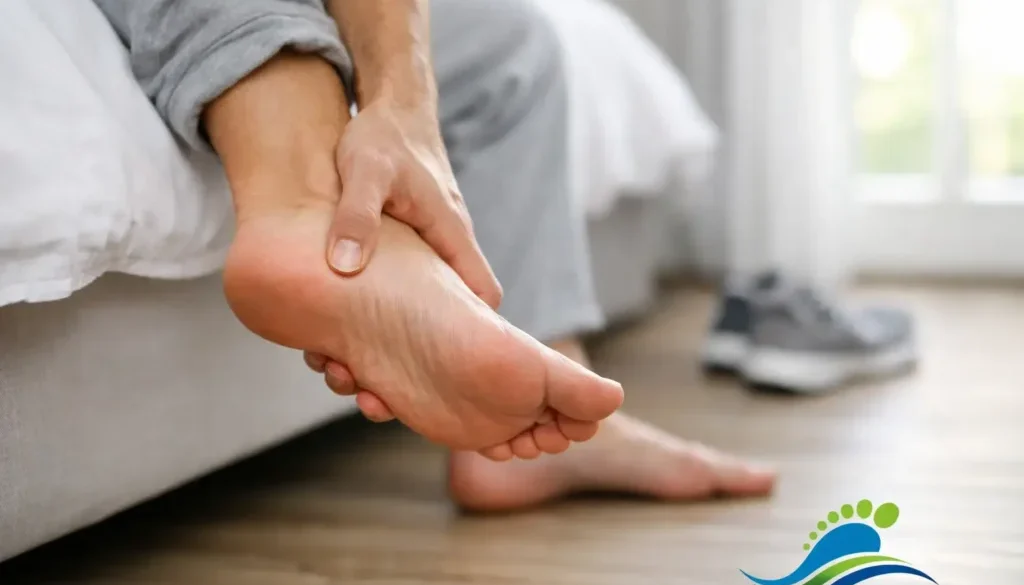
That first step out of bed can feel surprisingly sharp. Morning heel pain when walking often eases after a few minutes, only to return after long periods on your feet or when you stand up after sitting. This pattern is common, but it is not something you need to simply push through.
For many people, the cause is irritation in the tissue that supports the bottom of the foot. Foot mechanics, footwear, training changes, tight calves, and long hours of standing can all contribute. Identifying what is loading your heel is the most useful first step toward lasting relief.
Why heel pain is often worst in the morning
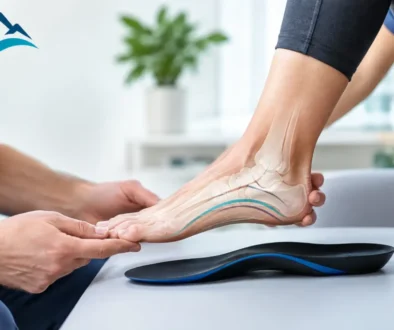
The plantar fascia is a thick band of connective tissue that runs from the heel toward the toes. It helps support the arch and absorbs force as you walk. When this tissue is repeatedly overloaded, it can become painful near its attachment at the bottom of the heel.
During sleep, the foot is usually relaxed and the plantar fascia shortens slightly. Your first steps place tension through that tissue before it has had a chance to warm up. That is why pain may be most noticeable with the first few steps in the morning or after getting up from a desk, car, or couch.
This does not mean every case of morning heel pain is plantar fasciitis. Pain at the back of the heel, for example, may involve the Achilles tendon or the area where it attaches. A proper assessment considers the precise location of the pain, when it appears, your activity history, footwear, range of motion, and how your feet function while standing and walking.
Common causes of morning heel pain when walking
Plantar fascia overload
Plantar fasciitis is one of the most common reasons for pain under the heel. Despite the name, symptoms often develop gradually from repeated strain rather than a single injury. You may notice tenderness at the inner bottom portion of the heel, pain after rest, or discomfort that builds again by the end of a busy day.
A sudden increase in walking, running, work shifts, or hill training can trigger symptoms. So can a return to activity after a less active period. Even a positive routine change, such as adding daily walks, can create more load than the foot is ready to manage.
Foot mechanics and arch support
Flat feet, very high arches, or a foot that rolls inward excessively can change how force travels through the plantar fascia, heel, ankle, and lower leg. These are not automatically problems. Many people have these foot shapes without pain. Symptoms tend to occur when the demands placed on the foot exceed its ability to manage them.
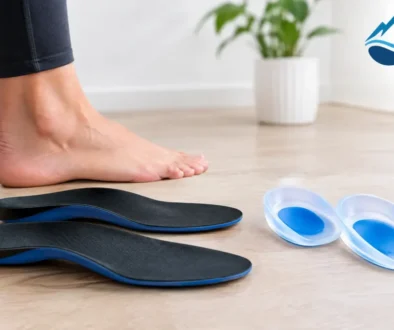
Generic insoles may feel more comfortable for some people, but they do not always address an individual’s gait, arch shape, pressure pattern, or alignment. When heel pain keeps returning, a clinician-led assessment can help determine whether custom orthotics may reduce strain more effectively.
Tight calves and limited ankle motion
Your calf muscles and Achilles tendon influence how the foot moves during every step. If ankle motion is limited, the foot may compensate by placing extra stress through the plantar fascia. This is particularly common in people who stand for work, wear heeled shoes regularly, run, or have increased training intensity.
Tightness is not always obvious. Some people can touch their toes easily yet still have limited ankle movement when the knee is straight or during a walking stride. This is one reason a hands-on assessment can be more informative than choosing a stretch from a generic online list.
Footwear that no longer supports your routine
Shoes do not need to look worn out to stop providing useful cushioning or stability. A pair that worked well for occasional errands may not be enough for twelve-hour retail shifts, travel, or a new walking routine. Thin-soled slippers and unsupportive sandals can also make early-morning pain more noticeable because they provide little structure under the heel and arch.
The right footwear depends on your foot type, work demands, activity, and comfort. More cushioning is not always the answer. Some people need better stability, while others benefit from a shoe with enough flexibility and room through the forefoot.
What you can do before your feet hit the floor
A few gentle movements before standing can make the first steps less abrupt. While seated on the edge of the bed, slowly flex and point the ankle several times. Then pull the toes back toward the shin until you feel a mild stretch through the arch, holding for about 20 to 30 seconds. Avoid forcing the stretch into sharp pain.
Rolling the sole of the foot over a small ball or a chilled water bottle may feel soothing for some people. Use light pressure at first. The goal is to calm and mobilize the area, not to aggressively press on a painful heel.
Once you stand, choose supportive indoor footwear rather than walking barefoot on hard floors. This simple change can reduce the load of those first morning steps, particularly during a flare-up.
A practical approach to settling heel pain
Heel pain usually responds best to consistent changes over time rather than one dramatic treatment. Reduce the activities that clearly aggravate symptoms, but do not assume complete rest is required. If a long run is painful, a shorter walk, cycling, or another lower-impact option may help you stay active while the heel settles.
Gentle calf stretching and foot-strengthening exercises can be useful when they are matched to your symptoms. For example, slow heel raises may be appropriate for some people, but they can be irritating when pain is more focused at the back of the heel. The right exercise plan depends on the source of the pain.
Pay attention to the pattern rather than judging progress day by day. A useful sign is that your first-step pain becomes less intense or resolves more quickly. If symptoms worsen week after week, spread into new areas, or force you to change how you walk, it is time for a more detailed evaluation.
When a clinical assessment is a good idea
Consider booking an assessment if heel pain has lasted more than a couple of weeks, repeatedly returns, or limits work, walking, exercise, or sleep. A clinician should also assess sudden severe pain, substantial swelling, bruising, numbness, burning, pain after a fall, or an inability to bear weight comfortably.
At Vancouver Orthotic Clinics, an assessment can examine how your foot and lower limb move and load during standing and walking. Practitioner evaluation, 3D foot scanning, and a review of your footwear and daily demands can help clarify whether custom orthotics, targeted exercises, footwear changes, or a combination of approaches is appropriate.
Custom orthotics are not a one-size-fits-all answer, and they work best when prescribed for a clear mechanical reason. For a person whose heel pain is related to excessive strain through the arch, an orthotic may help distribute pressure and support more efficient foot function. For someone whose symptoms are mainly driven by a sudden training increase, load management may be equally important.
Preventing the next flare-up
Once morning pain begins to improve, increase walking, running, or standing demands gradually. Replace shoes when their support has noticeably broken down, and avoid making large activity changes all at once. If your work requires long hours on hard floors, supportive footwear and appropriate orthotic support can make a meaningful difference over a full shift.
Do not wait for heel pain to become part of your normal morning routine. Early attention to the way your feet are functioning can help you move through the day with more comfort and confidence.