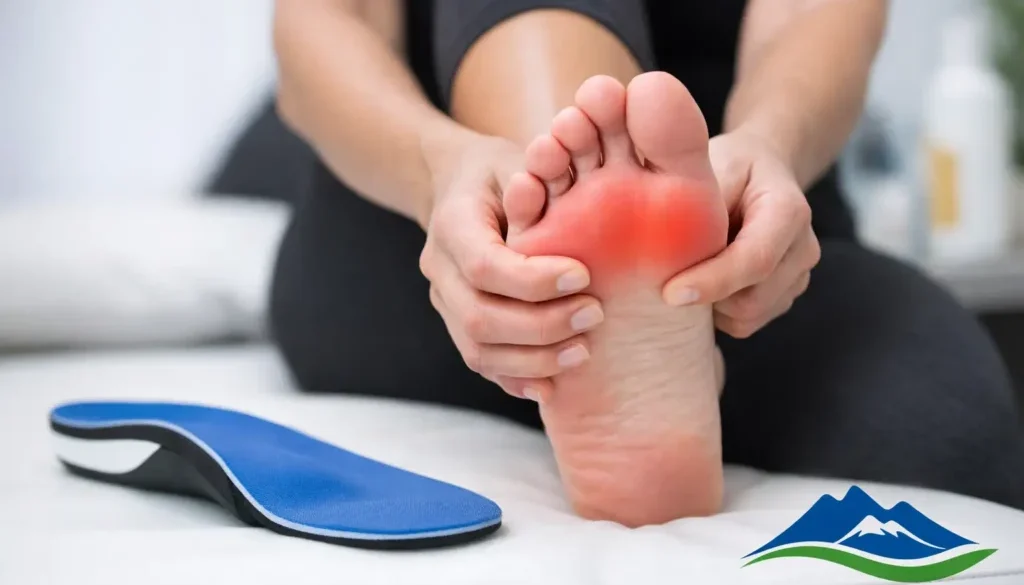
Metatarsalgia Forefoot Pain Treatment Options
A sharp, bruised, burning, or pebble-like feeling beneath the ball of your foot can make every step feel guarded. Effective metatarsalgia forefoot pain treatment starts by identifying why too much force is reaching the metatarsal heads – the bones just behind your toes – rather than simply trying to push through the discomfort.
Metatarsalgia is a description of pain in the forefoot, not a single diagnosis. For one person, it may develop after increasing running mileage. For another, it may appear after months of standing on hard floors, wearing narrow footwear, or compensating for a bunion, flat feet, or an old injury. The right treatment plan depends on the source of the overload.
What metatarsalgia feels like
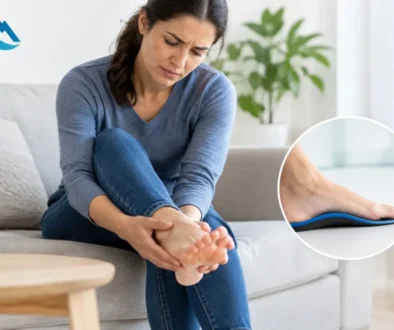
Forefoot pain is often most noticeable when you are walking barefoot, pushing off during a stride, climbing stairs, or standing for long periods. Many people describe a focused ache under the second or third toe, a burning sensation, or the feeling that there is a lump in their sock or shoe.
Symptoms can come and go at first. You may feel fine in the morning, then notice worsening pain by the end of a workday or a longer walk around Vancouver. Left unaddressed, the body often starts to compensate. You may roll onto the outside of the foot, shorten your stride, or shift weight to the other side. Those changes can contribute to ankle, knee, hip, or low back discomfort over time.
Metatarsalgia can occur alongside a callus under the ball of the foot, toe irritation, bunions, hammertoe changes, or flat-foot mechanics. It can also be confused with nerve-related pain, a stress injury, or an inflammatory condition. That is why a focused clinical assessment is more useful than guessing based on a symptom alone.
Why pressure builds in the forefoot
The forefoot is designed to accept load as your body moves over the foot and pushes off the ground. When the foot is not distributing that load efficiently, one small area can take more pressure than it should.
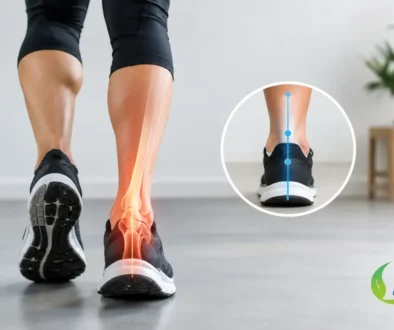
A tight calf or limited ankle motion may shift weight forward earlier in the step. Flat feet or excessive pronation can change how the forefoot meets the ground. Conversely, a high-arched foot may concentrate pressure under fewer contact points. Footwear matters as well: thin soles, worn-out shoes, a narrow toe box, or a heel that pitches body weight forward can all aggravate symptoms.
Activity changes are another common factor. A retail worker taking extra shifts, a traveler walking more than usual, or a runner returning too quickly after time away may all experience forefoot overload. The goal is not to blame activity. It is to restore a level of support and loading your foot can tolerate while you remain as active as your symptoms allow.
Metatarsalgia forefoot pain treatment starts with an assessment
A useful assessment looks at more than the painful spot. A clinician should ask when symptoms occur, what footwear you use, whether there was a recent training or workload change, and whether pain affects one foot or both. They should also assess foot posture, joint motion, areas of tenderness, gait, and how your lower limb manages force during walking.
At Vancouver Orthotics Clinics by Dr. Michael Horowitz, the clinical process combines practitioner evaluation with 3D foot scanning to help document foot shape and biomechanics. This information can help clarify whether the primary issue is pressure concentration, reduced motion, alignment, footwear, or a combination of factors.
A scan does not replace a hands-on exam, and an orthotic is not automatically the answer for every sore forefoot. But when symptoms are tied to how the foot loads and moves, measured information can make treatment more precise than choosing a generic insole from a store shelf.
Practical first steps for calming forefoot pain
Reducing the irritation that keeps the area sensitive is often the first priority. Temporarily scale back the activity that reliably spikes pain, rather than stopping all movement without a plan. If a long run worsens symptoms, shorter, flatter walks or lower-impact exercise may be more comfortable while the foot settles.
Choose footwear with enough width through the toe area so the forefoot is not compressed. A stable sole with cushioning can reduce direct impact under the ball of the foot. If your shoes bend easily through the middle or are visibly worn down on one side, they may no longer be giving your foot consistent support.
Cold therapy can help some people after activity, particularly when the area feels hot or irritated. Use a cloth barrier and short intervals rather than placing ice directly on the skin. Gentle calf mobility and foot-strengthening exercises may also be appropriate, but timing matters. Exercises that increase pain under the ball of the foot are not the right starting point.
These measures can be helpful for a mild, recent flare. They are less likely to solve recurring pain if your daily walking pattern continues to overload the same metatarsal area.
When custom orthotics may help
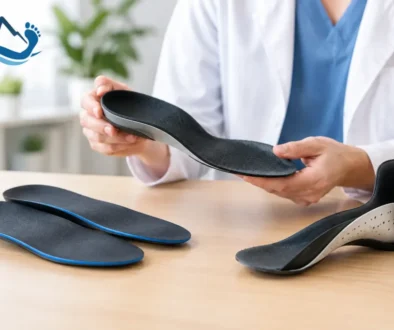
Custom orthotics are designed to improve how force is managed under the foot. For metatarsalgia, the prescription may include specific contouring, cushioning, or offloading features intended to spread pressure away from the painful region. The exact design should follow the assessment findings, not a one-size-fits-all template.
For example, a person whose foot rolls inward and remains unstable through push-off may need a different strategy than someone with a rigid, high-arched foot and limited shock absorption. A runner may need an orthotic that works inside a particular athletic shoe, while a healthcare worker may need support that accommodates long shifts on hard surfaces. The best option depends on the foot, the footwear, and the activity that matters most to you.
Orthotics generally work best as part of a plan that also addresses shoe fit, activity progression, and any relevant mobility or strength limitations. They should feel supportive, not like a painful object you must force yourself to tolerate. A short adjustment period can be normal, but new or increasing pain should be reviewed by the prescribing clinician.
If you also have heel pain, recurring plantar fasciitis, flat feet, bunion discomfort, or pain that travels into the lower leg, those concerns should be included in the same assessment. The mechanics that overload the forefoot may be affecting more than one area.
Do not ignore these warning signs
Most forefoot pain can be assessed in a routine appointment, but certain symptoms need prompt medical evaluation. Seek timely care if you cannot bear weight, have marked swelling or bruising after an injury, notice redness and warmth with fever, have an open wound, or experience sudden numbness, weakness, or color changes in the foot.
Persistent pain that does not improve after reducing aggravating activity also deserves an examination. A condition involving a nerve, bone, joint, or circulation can feel similar to metatarsalgia but requires a different approach. A confirmed diagnosis protects you from spending months treating the wrong problem.
Building a return to comfortable walking
Recovery is rarely about finding one perfect shoe or one quick fix. It is about making walking and activity tolerable again while correcting the factors that repeatedly concentrate pressure under the forefoot. Start with the activities you need for daily life, then build back toward longer walks, work shifts, fitness classes, or running in manageable steps.
If pain under the ball of your foot is changing how you walk, book a practitioner-led assessment at a convenient Greater Vancouver, Victoria, or Langford clinic location. A clear examination, 3D scan when appropriate, and treatment plan based on your actual foot mechanics can help you move with more confidence and less hesitation.