Chiropractor Orthotics Versus Foot-Care Orthotics
Morning heel pain can make the first few steps of the day feel impossible. A sore knee after a walk, aching arches during a retail shift, or recurring shin pain on a run can raise the same question: chiropractor orthotics versus foot-care orthotics – where should you start?
The most useful answer is not based on a professional title alone. It depends on whether the clinician performs a complete biomechanical assessment, identifies the source of the problem, and provides an orthotic recommendation that matches your feet, gait, footwear, activity, and symptoms. Orthotics are not simply cushions. When prescribed well, they are a conservative treatment tool designed to improve how forces move through the feet and lower body.
Chiropractor Orthotics Versus Foot-Care Orthotics: What Matters
Many people assume that an orthotic provider can be judged by the label on the clinic door. In practice, the quality of care comes down to the assessment process and the clinician’s ability to connect foot function with symptoms higher up the body.
A Doctor of Chiropractic is trained to assess musculoskeletal movement, joint mechanics, posture, and the relationship between the feet, ankles, knees, hips, and low back. This can be particularly helpful when a patient has more than isolated foot discomfort. For example, a person with flat feet may experience arch fatigue, inward ankle motion, knee strain, and low-back tightness. Looking only at the foot can miss part of that pattern.
Foot-focused clinicians may also assess local structures such as the heel, arch, toes, forefoot, and ankle in detail. That focus can be valuable when pain is concentrated in one area, such as a bunion, metatarsalgia, Achilles tendon irritation, or persistent heel pain.
Neither approach should rely on a quick glance at the feet or a one-size-fits-all insert. The right question is: does the appointment include a clinical history, physical examination, gait analysis, foot measurement or imaging, diagnosis, and a clear treatment plan?
A Proper Orthotic Assessment Looks Beyond the Arch
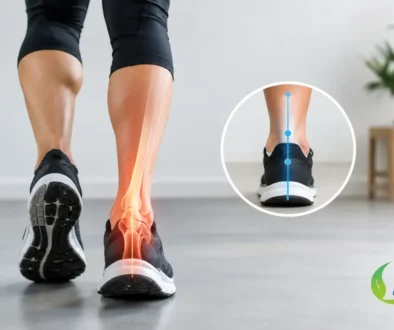
A high arch does not automatically need a certain type of orthotic, and flat feet do not automatically explain every case of knee or heel pain. Foot shape is only one part of the picture. A useful assessment considers how the foot moves while standing and walking, not just how it appears on a footprint.
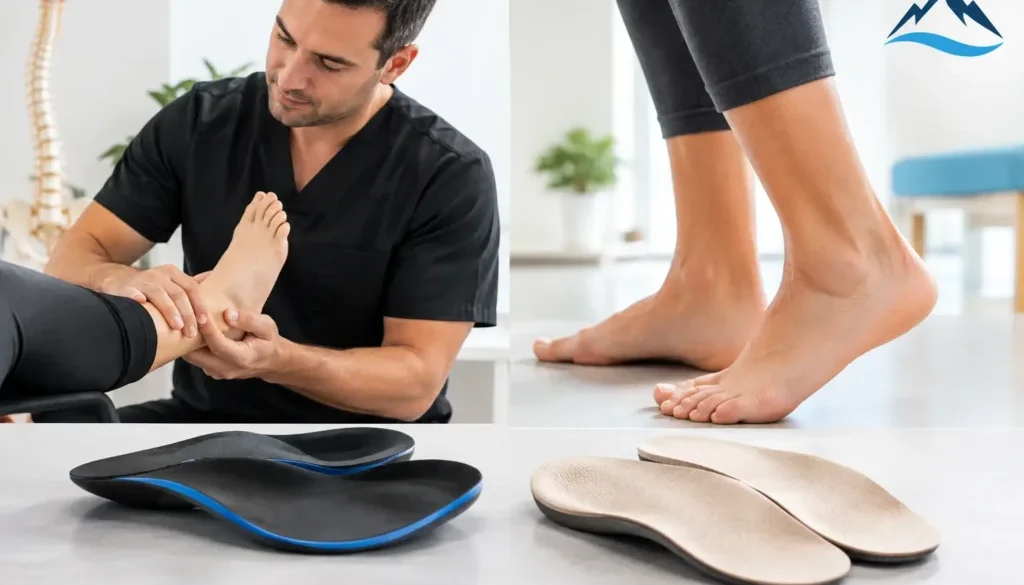
At Vancouver Orthotics Clinics by Dr. Michael Horowitz, the assessment process is built around five clinical steps. The practitioner discusses your symptoms, health and activity history, and footwear demands. They assess standing posture, joint motion, muscle function, and walking mechanics. A 3D foot scan captures accurate measurements, helping guide the prescription and manufacturing of a custom orthotic.
That information matters because two people can both report plantar fasciitis while needing different support. One may have excessive inward foot motion and require more control through the rearfoot. Another may have limited ankle motion, calf tightness, and pressure concentrated under the heel. The device may look similar from the outside, but the prescription details should reflect the cause of the strain.
Why 3D Scanning Is Helpful
A 3D scan does not replace a hands-on examination. It supports it. The scan creates a detailed digital model of each foot and helps ensure the orthotic is made to the intended dimensions, including arch contour and heel shape.
The clinical decision still comes first. Your practitioner determines whether you need cushioning, pressure redistribution, motion control, accommodation for a prominent area, or a combination of these features. A scan without diagnosis is measurement. A diagnosis without accurate fabrication can limit the value of the final device.
When a Chiropractic Orthotic Assessment May Be a Good Fit
A chiropractic approach is often a practical option when foot symptoms occur alongside leg, knee, hip, or back discomfort. The lower body works as a chain. Changes in foot motion can influence how the ankle turns, how the knee tracks, and how the hip absorbs load with every step.
Consider a runner who develops shin splints after increasing mileage. The issue may involve training volume, worn-out footwear, calf strength, ankle mobility, and foot mechanics. An orthotic might help manage abnormal loading, but it should be considered alongside activity modification and a plan to address contributing movement issues.
The same applies to someone who stands all day in Vancouver, Burnaby, or Richmond. Hard floors, limited breaks, and unsupportive work shoes can aggravate heel pain and forefoot soreness. A practitioner should ask what shoes are required for work, how long you stand, and whether symptoms improve on days off. Those answers influence whether an orthotic is appropriate and what features it needs.
When Local Foot Symptoms Need Closer Attention
If discomfort is sharply focused at the heel, ball of the foot, big-toe joint, Achilles tendon, or ankle, the assessment should carefully examine that specific area. Pain in the ball of the foot, for instance, can be related to pressure distribution, toe-joint motion, footwear shape, or an irritated structure beneath the forefoot. Adding a generic arch support may not solve it.
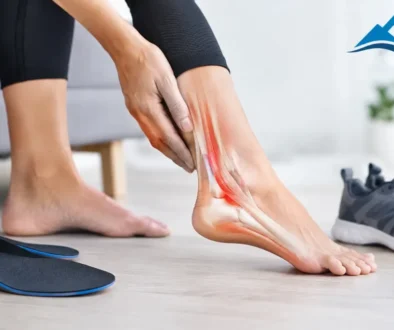
Patients with recurring plantar fasciitis also benefit from a clear diagnosis rather than guessing. Classic symptoms often include pain with the first steps after rest, tenderness near the inside of the heel, and symptoms that ease somewhat with movement before returning after longer periods on the feet. However, not all heel pain follows that pattern. Getting the diagnosis right helps prevent months of using the wrong treatment.
For detailed symptom guidance, patients can also review the clinic’s educational resources on plantar fasciitis, flat feet, Achilles tendonitis, knee pain, and heel spurs before an appointment. Education can help you describe your symptoms, but it should not replace an individual assessment.
Custom Orthotics Are Not Always the First Answer
Custom orthotics can be highly useful, but they are not automatically necessary for every sore foot. A short-term problem after an unusual hike may respond to rest, footwear changes, and gradual return to activity. Some people do well with an appropriate over-the-counter insole for temporary comfort.
Custom devices are generally more appropriate when pain is recurring, mechanics are clearly contributing, a person has tried basic measures without lasting relief, or a specific accommodation is required. They may also make sense for people whose jobs demand long hours of standing or walking and who need support designed around their own foot shape and work footwear.
There is a trade-off to consider. A custom orthotic takes more time and costs more than a retail insert. In return, it can be prescribed for a particular biomechanical goal and adjusted if needed. That is why the assessment and follow-up matter as much as the device itself.
Questions Worth Asking Before You Book
You do not need to become an expert before seeking care, but a few direct questions can clarify what to expect. Ask whether the clinician will examine your gait and lower-limb mechanics, whether the orthotic is based on a diagnosis rather than a scan alone, and whether follow-up adjustments are available. If you plan to submit an extended-health claim, ask what documentation your insurer requires before proceeding.
Bring the shoes you wear most often, especially work shoes, running shoes, or boots that trigger symptoms. Also mention older injuries, changes in exercise, and whether pain appears first thing in the morning, after standing, or only with certain activities. These details often reveal more than a photo of the foot can.
Choose Assessment-Led Care
The best choice is the clinician and clinic that can explain why your symptoms are happening, not just sell you an insert. Look for a careful examination, measurable foot information, a diagnosis you understand, and an orthotic plan connected to your daily life.
If foot, heel, ankle, knee, hip, or low-back pain keeps returning, booking a clinical assessment can replace trial and error with a clearer next step. New patients are welcome, and a well-fitted orthotic can be part of a practical plan to help make walking, working, and staying active more comfortable again.