
Choosing an Orthotic Clinic in Vancouver
Morning heel pain that eases after a few steps, aching knees after a shift on your feet, or a familiar pull along the Achilles tendon can make even a normal day feel smaller. An orthotic clinic Vancouver residents choose should do more than sell an insert. It should assess how your feet, ankles, legs, and joints work together, identify likely contributors to pain, and give you a practical plan for moving more comfortably.
For some people, the issue starts with flat feet or high arches. For others, it is a running increase, long hours on hard floors, worn-out footwear, or an old injury that changed the way they walk. The same symptom can have different causes, which is why a clinician-led assessment matters before choosing a treatment.
What an Orthotic Clinic in Vancouver Should Assess
Foot pain is not always only a foot problem. Your feet are the foundation for every step, so changes in foot motion can affect the ankles, shins, knees, hips, and lower back. A useful assessment looks beyond the spot that hurts.
At Vancouver Orthotic Clinics by Dr. Michael Horowitz, the clinical process is built around practitioner evaluation, diagnosis, 3D foot scanning, and custom orthotics when they are appropriate. The goal is to understand your biomechanics – how your body absorbs force and moves from heel strike through push-off – rather than assuming that one type of support suits everyone.
During an appointment, a Doctor of Chiropractic or physiotherapist may discuss when the symptoms began, what makes them worse, your work and activity demands, and footwear habits. They will also assess posture, gait, foot alignment, joint movement, and areas of tenderness. This helps distinguish between a pain pattern that may respond well to orthotic support and one that needs a different or additional conservative approach.
Why a 3D Foot Scan Is More Useful Than a Quick Fitting
A 3D scan records the contours and position of your feet in detail. It is not simply a picture of your arch. Combined with the clinical exam, it gives the practitioner information used to prescribe an orthotic designed for your foot shape, support needs, and daily activities.
That matters because a soft insert that feels comfortable in a store may not provide the control or pressure redistribution needed for recurring symptoms. On the other hand, maximum firmness is not automatically better. Someone with metatarsalgia may need targeted cushioning and offloading at the forefoot, while a person with flat-foot-related fatigue may need support that helps manage excessive motion. The prescription should match the clinical findings, the shoes you wear, and what you need to do each day.
Common Symptoms That Deserve a Clinical Look
Many patients wait until pain becomes constant before booking. Earlier assessment can be helpful when discomfort keeps returning, changes your gait, limits walking or exercise, or affects your ability to stand comfortably at work.
Plantar fasciitis is one of the most common reasons people seek care. It often presents as sharp or bruised-feeling heel pain with the first steps in the morning or after sitting. Orthotics may help reduce strain through the foot, but treatment can also include activity adjustments, stretching guidance, footwear recommendations, and strategies to gradually return to walking or training.
Flat feet can be painless for some people and troublesome for others. When the foot rolls inward more than the body manages well, it may contribute to foot fatigue, ankle discomfort, shin splints, knee pain, or hip and lower-back symptoms. A practitioner can assess whether foot mechanics are likely playing a meaningful role rather than treating the arch shape alone.
Bunions, heel spurs, Achilles tendonitis, and forefoot pain also require individual consideration. With a bunion, pressure from the shoe and joint position may be as relevant as arch support. With Achilles pain, a sudden training change or calf tightness may need attention alongside changes in foot support. A well-made orthotic can be one part of a treatment plan, but it is not a substitute for a proper diagnosis.
What the Five-Step Process Means for Patients
A structured five-step process helps make orthotic care more consistent and easier to understand. While every appointment is tailored to the patient, the process generally moves from listening to your symptoms and examining your movement to gathering 3D scan information, prescribing the appropriate orthotic, and reviewing fit and function once it is ready.
The follow-up portion is especially valuable. Orthotics need to fit the shoes they will be used in and feel workable for real life, whether that means walking the seawall, standing through a retail shift, commuting downtown, or returning to recreational sports. There can be a brief adjustment period, particularly if your new orthotics change support under an area that has been under-supported for years. Your practitioner can explain what is expected and when a change should be checked.
Bring the footwear you use most often to your appointment if possible. Athletic shoes, work shoes, and casual shoes can have very different internal shapes and depths. An orthotic that works well in a stable walking shoe may not fit a narrow dress shoe in the same way. This is one reason generic advice is often disappointing.
Custom Orthotics Versus Store-Bought Insoles
Non-custom insoles can be a reasonable starting point for mild, occasional fatigue or when you need temporary cushioning in a particular pair of shoes. They are accessible and may feel better than a worn or completely flat insole. For some people, that is enough.
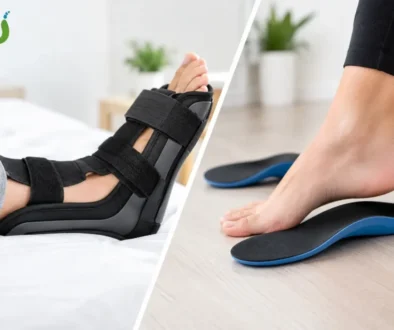
Custom orthotics are worth considering when pain is recurring, symptoms affect more than one area of the lower body, a diagnosed condition is not settling, or previous over-the-counter options have not provided lasting relief. They are prescribed from clinical findings and made to address the support, alignment, and pressure needs identified during your assessment.
The trade-off is that custom orthotics require more time and investment than an off-the-shelf insole. Results also depend on consistent use, appropriate footwear, and the actual cause of the problem. If a patient is dealing with a sudden injury, marked swelling, numbness, or pain that rapidly worsens, prompt medical evaluation is appropriate before relying on an insert.
Practical Questions to Ask Before You Book
Choosing a local clinic is easier when you know what to look for. Ask whether the assessment is performed by a qualified practitioner, whether it includes an exam and gait assessment rather than only a scan, and how the orthotics are prescribed. You can also ask about the fitting process, expected turnaround time, and follow-up support.
For patients using extended health benefits, it is wise to confirm the documentation requirements before the appointment. Plans vary. Some require a prescription from an eligible practitioner, while others have specific receipt or claim requirements. A clinic familiar with orthotic claims can explain the paperwork commonly needed, but your plan administrator makes the final coverage decision.
Convenience matters too. People with persistent pain are more likely to follow through when care is available close to home or work. Whether you are in Vancouver, Burnaby, Richmond, the North Shore, or another nearby community, a neighborhood-based clinic option can make assessment and follow-up less difficult to fit into your week.
Make Your Next Steps Easier
You do not need to wait for pain to stop every walk, workout, or workday before getting answers. Keep track of when symptoms occur, bring your usual shoes, and be ready to describe what has changed in your routine. A careful assessment can turn a vague pattern of foot or leg pain into clear next steps – and give you a better basis for deciding whether custom orthotics belong in your care plan.