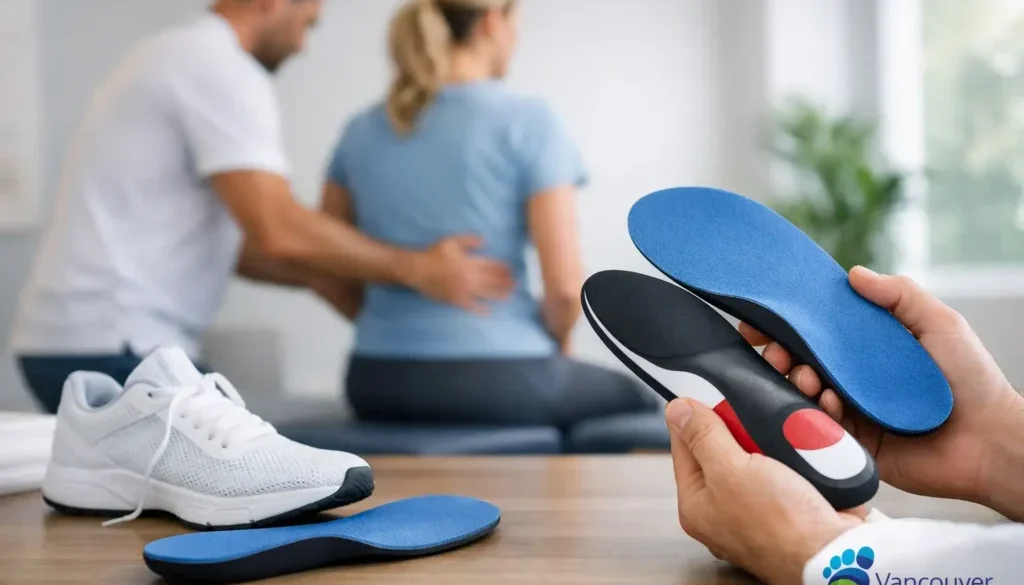
Chiropractor Prescribed Orthotics Benefits
Morning heel pain that eases after a few minutes, aching arches during a shift, or knee discomfort after a walk can all start with how the feet meet the ground. When people search for chiropractor prescribed orthotics benefits, they are usually looking for more than a cushion in their shoes. They want to know whether a clinician can identify the reason for recurring pain and recommend support that makes daily movement more comfortable.
Custom orthotics prescribed after a chiropractic assessment are designed around your foot function, gait, alignment, symptoms, and activity demands. They are not a one-size-fits-all insert. For many people, the value lies in addressing the forces moving upward from the feet to the ankles, knees, hips, and lower back.
What chiropractor prescribed orthotics benefits can include
A chiropractor assesses how the feet and lower limbs work as part of the whole musculoskeletal system. If the arch drops excessively while walking, if one foot rolls inward more than the other, or if limited ankle motion changes the way you move, those patterns can increase strain in specific tissues.
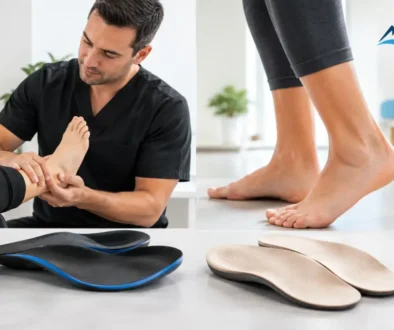
A custom orthotic can help guide and support the foot through its contact with the ground. Depending on the diagnosis, it may redistribute pressure away from a painful area, support the arch, improve heel stability, or reduce excessive motion that contributes to repeated irritation. The goal is not to make every foot look the same. It is to create more efficient, tolerable movement for the person wearing it.
This may be helpful for people with plantar fasciitis, flat feet, heel spurs, bunions, metatarsalgia, Achilles tendonitis, shin splints, ankle pain, and certain patterns of knee, hip, or low back pain. Orthotics are also commonly considered when a retail worker, nurse, warehouse employee, runner, or active walker notices that symptoms consistently return with standing, training, or longer days on their feet.
Results depend on the condition. An orthotic may reduce strain and support recovery, but it does not replace a complete assessment, sensible activity adjustments, appropriate footwear, or prescribed exercises when those are needed.
Why the assessment matters more than the insert alone
A store-bought insole can feel comfortable, and it may be a reasonable short-term option for mild fatigue. The limitation is that it is made for a general foot shape and cannot account for your particular symptoms, weight distribution, walking pattern, footwear, or lower-limb alignment.
A practitioner-led assessment starts with questions that help narrow down the source of the problem. Where does it hurt? Is the pain sharp with first steps in the morning, or does it build during a run? Did it begin after changing shoes, increasing training, returning to work, or spending more time on hard floors? Those details matter because heel pain, forefoot pain, and pain along the shin can have different mechanical contributors.
The examination may include observing your posture and gait, checking foot and ankle motion, evaluating tenderness, and looking at how the knees and hips track during movement. At Vancouver Orthotic Clinics by Dr. Michael Horowitz, this clinical process also uses a 3D foot scan to capture the contours and loading needs of the foot. The scan is useful, but it is one part of the decision-making process, not a diagnosis by itself.
That distinction is important. A high arch does not automatically mean a person needs one type of orthotic, and flat feet do not always cause pain. Treatment should be based on the combination of symptoms, function, examination findings, and goals.
A prescription should match your day-to-day demands
The right device for a runner may not be the right device for someone who stands on concrete for eight hours. The materials, shape, top cover, level of cushioning, and degree of control can all be adjusted for different needs. A person with tender forefoot pressure may need a different design than someone whose main concern is unstable ankles or recurring arch strain.
Footwear matters too. A supportive work shoe, walking shoe, or running shoe provides the structure that allows an orthotic to function as intended. Very narrow, worn-out, or highly flexible shoes may limit fit and performance. During an appointment, bring the shoes you use most often when possible. They provide useful information about wear patterns and help confirm whether the orthotic will fit comfortably.
Benefits that can extend above the foot
The feet are the base of every step. When their motion is poorly controlled or pressure is unevenly distributed, the rest of the lower body may compensate. That does not mean every case of knee, hip, or back pain is caused by the feet. It does mean foot mechanics deserve attention when symptoms appear during walking, standing, or running.
For example, excessive inward rolling of the foot can affect how the lower leg rotates during stance. In some people, that added movement may contribute to stress around the shin or knee. In others, limited shock absorption and high pressure under the heel or forefoot may be the bigger issue. A well-designed orthotic can reduce the specific mechanical demand involved, making it easier to walk, work, or exercise with less irritation.
Many patients notice practical changes rather than dramatic overnight results. They may be able to stand longer before aching starts, take first steps in the morning with less heel pain, or return to a gradual walking routine with greater confidence. Adaptation is normal, particularly in the first days or weeks. A new orthotic changes how forces are shared, so some people need a short break-in schedule.
When custom orthotics may not be the full answer
Orthotics work best as part of a conservative care plan when the diagnosis supports their use. A chiropractor may also recommend specific mobility or strengthening exercises, changes to training volume, footwear guidance, or temporary adjustments to work and recreational activity. These measures help address the factors that can keep a problem going.
There are also times when pain should be assessed promptly rather than managed with an insert alone. Sudden inability to bear weight, significant swelling, numbness, a hot or visibly red joint, pain after a major injury, or symptoms that are rapidly worsening warrant timely medical evaluation.
If your pain has been present for months, that does not mean there is no practical path forward. It does mean guessing with multiple generic insoles can become expensive and frustrating. A focused assessment can clarify whether orthotics are appropriate and what else should be part of the plan.
What to expect from the custom orthotic process
The process should be clear from the first visit. You can expect an assessment of your symptoms and movement, a foot evaluation and 3D scan when indicated, a discussion of findings, and a prescription based on your needs. After the orthotics are made, a fitting appointment confirms that they sit correctly in your shoes and that you understand how to use them.
Follow-up matters because your comfort, activity level, and symptoms can change. A small adjustment may be useful if a pressure point develops or if the orthotics are being used in different footwear than originally planned. Children, growing teens, and adults whose work or activity habits change may also need periodic reassessment.
For patients using extended health benefits, coverage often depends on the wording of the plan and whether the orthotics are prescribed and supplied through an eligible practitioner. Ask about the documentation your insurer may require before your appointment, and keep receipts and prescription records for your claim.
A practical next step for recurring pain
If foot, heel, ankle, leg, knee, hip, or lower back pain keeps limiting your routine, start with an evaluation rather than choosing support based only on a shoe-store test. A clinical assessment can show whether your symptoms are related to foot mechanics, whether custom orthotics are likely to help, and what changes can make your next steps more comfortable.
New patients are welcome to book an assessment at a convenient Greater Vancouver or Greater Victoria location. The most useful orthotic is not simply the firmest or most expensive one. It is the one prescribed for your body, your shoes, and the movements you want to get back to.