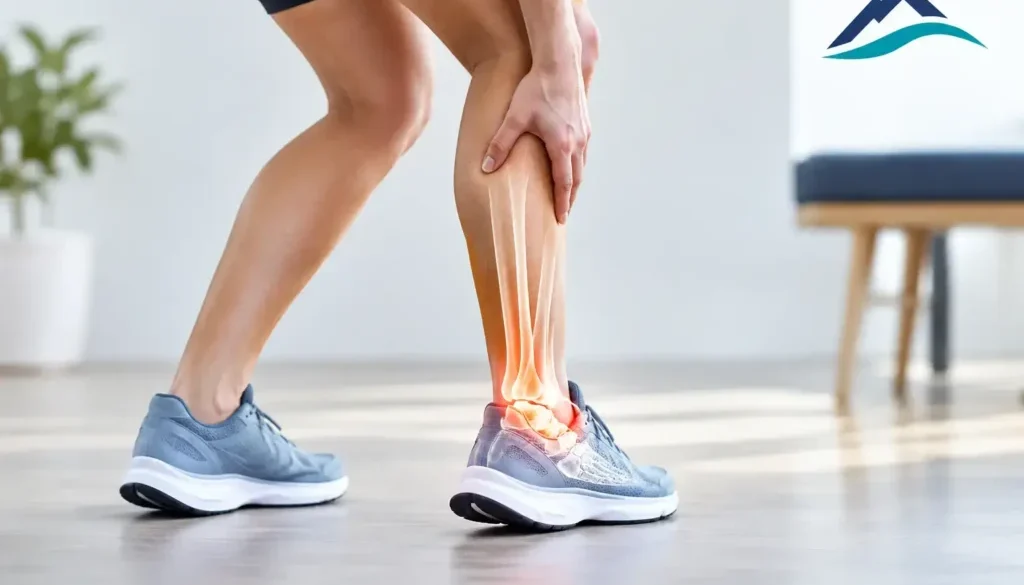
Lower Limb Biomechanics and Everyday Pain
A sharp heel pain with the first steps of the morning, a knee that aches after a walk around Stanley Park, or a recurring tightness along the shin can seem like separate problems. Often, they are connected by lower limb biomechanics: the way the feet, ankles, knees, hips, and pelvis move together while you stand, walk, work, or exercise.
Your body does not load one joint at a time. Each step transfers force from the ground through the foot and up the leg. When the foot is not providing stable, efficient support, other tissues may have to absorb more strain. Understanding that chain can make recurring pain feel less mysterious and can point toward practical, conservative care.
What Lower Limb Biomechanics Means
Lower limb biomechanics describes how the bones, joints, muscles, tendons, and connective tissues of the lower body work together during movement. It includes foot posture, ankle motion, knee alignment, hip control, stride pattern, balance, and the way force is distributed with every step.
A foot that rolls inward more than its tissues can comfortably control, for example, may change the position of the ankle and shin. That can influence stress at the knee and hip. Conversely, a stiff big-toe joint, limited ankle motion, or reduced hip strength can alter how the foot loads the ground. The source of pain and the movement pattern contributing to it are not always in the same location.
This does not mean every case of knee, hip, or back discomfort starts in the feet. Pain has many possible causes, and a careful assessment matters. It does mean foot function is a worthwhile part of the clinical picture, particularly when symptoms are activity-related, repeat in the same pattern, or have not improved with generic footwear changes.
Why Foot Mechanics Affect the Whole Leg
The foot is both a shock absorber and a stable lever. Early in a step, it needs enough motion to adapt to the ground. Later in the step, it needs to become firm enough to help propel you forward. If that transition is delayed, restricted, or poorly controlled, force can be redirected to tissues that are not designed to manage it repeatedly.
For someone with flexible flat feet, the arch may lower significantly during weight bearing. That is not automatically a problem. Many people have flat feet without pain. It becomes more relevant when the movement is paired with fatigue, tendon strain, heel pain, ankle discomfort, or a pattern of knee symptoms.
A higher, more rigid foot can create a different challenge. It may absorb less impact, concentrating pressure under the heel or forefoot. People who stand on concrete floors, work long retail or healthcare shifts, or return quickly to running may notice this as metatarsalgia, recurring callus pressure, or aching in the lower legs.
The goal is not to label one foot shape as good or bad. The clinical question is whether your movement pattern, tissue tolerance, footwear, daily demands, and symptoms are working well together.
Pronation Is Normal – Excess Strain Is the Concern
Pronation is the natural inward rolling motion of the foot after it contacts the ground. It helps the body absorb impact. A certain amount is expected and useful.
Problems may arise when pronation is excessive for the individual, occurs too quickly, or continues late into the push-off phase. The plantar fascia, posterior tibial tendon, Achilles tendon, shin muscles, and knee may each be asked to manage added load. On the other end of the spectrum, a foot that stays unusually rigid may not disperse impact effectively.
A visual observation alone cannot tell the whole story. Two people can appear to have similar arches but move very differently because of ankle flexibility, leg strength, footwear, past injuries, or walking speed. That is why an assessment should look beyond a footprint.
Symptoms That May Have a Biomechanical Component
Biomechanics is commonly considered when pain follows a repeatable pattern. Morning heel pain that eases after moving around, discomfort under the ball of the foot after standing, or shin pain that develops during a run are familiar examples. So are recurrent ankle rolling, aching knees after stairs, Achilles tendon irritation, and fatigue through the arches or calves.
The timing of symptoms provides useful clues. Pain that starts after several hours on your feet may suggest cumulative loading. Pain that appears with the first few steps after rest can be associated with irritated soft tissue. Symptoms that only occur in one pair of work shoes or running shoes may point to a mismatch between footwear and your needs.
It is also useful to pay attention to one-sided symptoms. If only the left knee or right hip is painful, a clinician may assess whether one leg is loading differently, whether ankle range of motion differs side to side, or whether an old injury has changed your gait. These findings do not produce a one-size-fits-all answer, but they help guide care.
A Clinical Assessment Looks Beyond the Arch
At Vancouver Orthotics Clinics, practitioner-led care is built around examining the person as well as the foot. An assessment may include a symptom history, observation of standing posture and gait, range-of-motion testing, and evaluation of areas that are tender or under strain. Your work demands, exercise routine, footwear, previous injuries, and goals should all be part of the discussion.
Three-dimensional foot scanning adds a measurable view of foot shape and loading-related features. It is helpful for designing custom orthotics, but the scan is one part of a larger clinical process. A scan cannot replace an examination, just as an arch measurement alone cannot explain every case of heel, knee, or hip pain.
Dr. Michael Horowitz & Associates use a structured five-step process to connect assessment findings with a treatment plan. Depending on the presentation, that plan may include custom orthotics, footwear guidance, activity modifications, stretching or strengthening recommendations, and advice on supportive recovery products. The best approach depends on what is painful, why it is being overloaded, and what you need your body to do each day.
Where Custom Orthotics Fit In
Custom orthotics are not simply softer insoles. They are prescribed devices designed to influence support, pressure distribution, and motion based on an individual’s assessment and foot shape. For a person with plantar fasciitis, the design may aim to reduce strain through the plantar fascia and improve heel comfort. For forefoot pain, it may redistribute pressure away from a sensitive area. For flat-foot-related symptoms, it may provide support where the foot is losing control under load.
They are also not a passive cure for every lower-limb problem. Orthotics work best when they fit the footwear you actually wear, are introduced as directed, and support an overall plan. A runner may also need a gradual return to mileage. An office worker may benefit from movement breaks. Someone with a tight calf may need targeted mobility work to reduce repeated pull on the heel and Achilles tendon.
There can be an adjustment period. Mild awareness of support is common when beginning to wear orthotics, particularly if your feet have been working in a different position for years. New or increasing pain should be reviewed rather than pushed through. A clinical team can assess the fit, function, and whether the device needs adjustment.
Everyday Changes That Support Better Movement
Daily movement patterns matter because the lower limbs handle thousands of steps. Choose footwear with a stable base and enough room for your toes, especially if you spend long days standing. Replace worn-out shoes when the sole has become uneven or the midsole no longer feels supportive.
Build activity gradually after time away, injury, or a change in work demands. Sudden increases in hill walking, running distance, court sports, or standing shifts can exceed tissue capacity even when your mechanics are otherwise sound. Calf flexibility, foot and hip strength, sleep, recovery, and training volume all influence how well you tolerate load.
If symptoms are recurring, avoid relying on pain alone to guide your decisions. A pattern that fades after rest but returns every week deserves attention before it begins limiting work, walking, or the activities you enjoy.
When to Arrange an Assessment for Lower Limb Biomechanics
Consider a clinical evaluation if foot, ankle, leg, knee, hip, or low back discomfort continues despite reasonable rest and footwear changes, keeps returning with activity, or affects your normal routine. It can also be useful if you notice frequent ankle rolling, one shoe wearing down much faster than the other, persistent arch fatigue, or pain that shifts from one area to another.
For patients across Greater Vancouver and Greater Victoria, an assessment provides a practical starting point: identify the likely load-related factors, clarify whether custom orthotics may help, and create a plan that fits real life. You do not need to wait until pain becomes severe to understand how your feet and lower limbs are working.
A more comfortable step often begins with a clear explanation of what your body is being asked to absorb – and a plan that helps it handle that load with less strain.