
Night Splint Versus Orthotics: Which Helps?
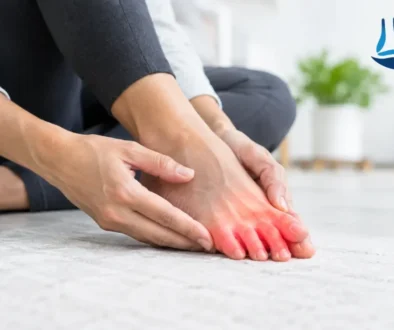
The first few steps out of bed can feel like a sharp reminder that something is wrong. For people with plantar fasciitis, that familiar morning heel pain often leads to one question: night splint versus orthotics – which one will actually help? The short answer is that they do different jobs. A night splint targets what happens while you sleep, while orthotics support how your feet and lower limbs function while you stand, walk, and exercise.
Choosing between them should not be a matter of picking the item with the most promising label. Heel pain can be influenced by calf tightness, foot posture, activity changes, footwear, work demands, and the way forces travel from the foot through the ankle, knee, hip, and low back. The right approach depends on what is driving your symptoms.
Night Splint Versus Orthotics: The Core Difference
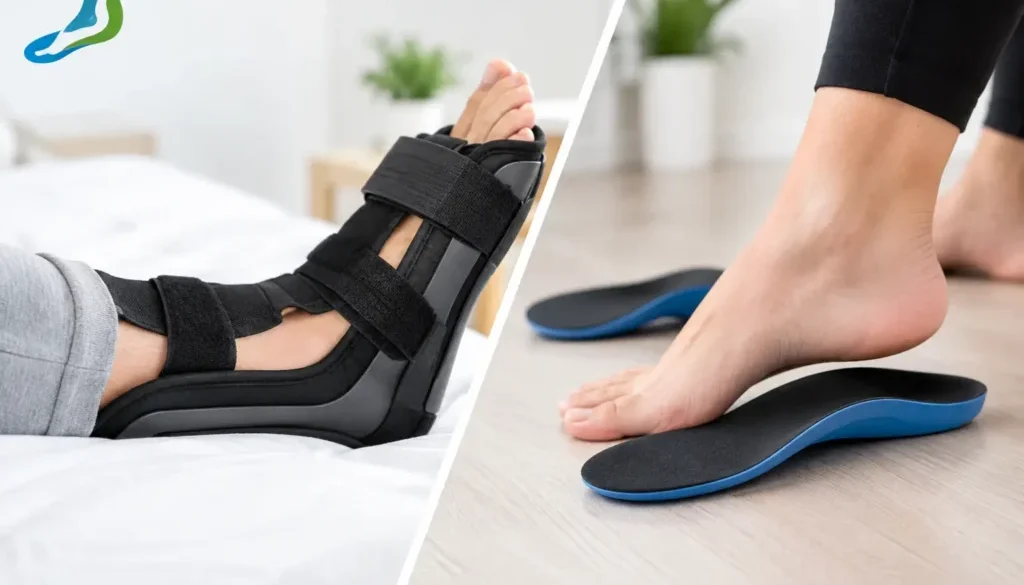
A night splint is worn during sleep. It holds the foot and ankle in a position intended to reduce shortening of the plantar fascia and calf complex overnight. For someone with plantar fasciitis, the goal is often to make those first morning steps less painful by avoiding a sudden stretch through irritated tissue after hours of rest.
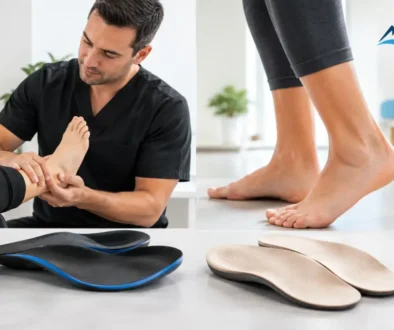
Orthotics are worn inside daytime footwear. Custom orthotics are designed from a clinical assessment of foot function, gait, joint motion, symptoms, and pressure patterns. They may support the arch, improve load distribution, help control excessive motion, or accommodate sensitive areas of the foot. Their purpose is not simply to make a shoe feel softer. They are intended to change how the foot manages force throughout the day.
In plain terms, a night splint addresses a nighttime position. Orthotics address daytime mechanics. For some people, one is enough. For others, especially those with recurring heel pain and long hours on their feet, the two can be used together as part of a conservative treatment plan.
When a Night Splint May Be Useful
Night splints are most often considered when morning pain is the dominant symptom. If your heel hurts sharply with the first steps after waking, then gradually eases as you move around, overnight tightening may be contributing to the problem. A splint can provide a gentle, sustained stretch rather than leaving the foot pointed downward for several hours.
They can be useful for people whose symptoms have persisted despite simple changes such as reducing aggravating activity, wearing supportive footwear, or beginning a stretching routine. They may also help runners, walkers, and workers who return to activity quickly after getting out of bed and want to reduce that initial painful pull under the heel.
Comfort is the main trade-off. Some people find it difficult to sleep in a splint, particularly a rigid model. Others experience numbness, pressure spots, or disrupted sleep if the fit is poor or the device is too aggressively adjusted. A night splint should create a tolerable stretch, not force the foot into a painful position. If it makes symptoms worse, it needs to be reassessed.
A night splint is also not a full-day solution. It does not address the repeated loading that happens during a commute, a retail shift, a walk around Stanley Park, or a workout. If pain returns every day once you are on your feet, an assessment of daytime support and biomechanics is often warranted.
When Orthotics May Be the Better Starting Point
Orthotics are often more relevant when heel pain is linked to standing, walking, training, or repetitive loading. Symptoms that build through the day, return after activity, or occur alongside flat feet, ankle fatigue, shin discomfort, knee pain, or forefoot pressure can point to a broader mechanical issue.
A properly prescribed custom orthotic is based on the person wearing it. The same retail insert will not address every foot shape, gait pattern, or source of pain. At Vancouver Orthotics Clinics by Dr. Michael Horowitz, the clinical process includes practitioner evaluation and 3D foot scanning so the orthotic recommendation can be tied to measurable foot biomechanics rather than a generic arch-support category.
This matters because an arch that looks low is not automatically a problem, and a high arch is not automatically well supported. Clinicians also consider how flexible the foot is, whether the heel rolls inward or outward, how the ankle moves, where pain occurs, and what footwear is required for work or daily life.
Orthotics may be considered for plantar fasciitis, but they can also be part of care for metatarsalgia, Achilles tendon irritation, shin splints, ankle pain, and discomfort that travels up the kinetic chain to the knees, hips, or low back. The goal is to improve tolerance for everyday movement while reducing strain on irritated structures.
Can You Use a Night Splint and Orthotics Together?
Yes. In the right situation, they are complementary rather than competing treatments. A night splint may help reduce the painful first-step effect in the morning, while orthotics provide support and load management during the day. This combination can make sense when someone has both pronounced morning heel pain and symptoms that recur after prolonged standing or activity.
Still, more treatment is not always better treatment. If you can barely tolerate a night splint, wearing it consistently is unlikely. If an orthotic is uncomfortable in every pair of shoes, its fit, design, or break-in plan may need adjustment. Treatment should be practical enough to use regularly.
A clinician may also recommend specific calf and plantar fascia stretches, activity modifications, footwear guidance, or recovery strategies. These measures are not interchangeable with an orthotic or splint, but they can support the overall plan. The best result usually comes from addressing the specific source of overload instead of relying on one device alone.
Signs You Should Seek a Clinical Assessment
Self-care products can be reasonable for mild, new symptoms, but recurring pain deserves a closer look. Consider an assessment if heel pain lasts more than a few weeks, keeps returning, affects your ability to work or exercise, or changes the way you walk. Evaluation is especially useful if pain is accompanied by swelling, numbness, weakness, significant ankle pain, or pain that does not follow the typical first-step pattern.
It is also worth being assessed before investing in a custom device if you are unsure whether your discomfort is truly plantar fasciitis. Heel pain can come from more than one source, and the location of pain matters. Pain directly under the heel, pain along the inside of the ankle, pain at the back of the heel, and burning or tingling sensations do not necessarily require the same treatment.
For patients in Greater Vancouver, Greater Victoria, and Langford, a clinician-led appointment can clarify whether a night splint, custom orthotics, or a combined plan fits your symptoms and daily routine. If you have extended health benefits, ask about the documentation and practitioner requirements before submitting a claim, as plans vary.
What to Expect From Treatment
Neither a night splint nor orthotics should be viewed as an instant fix. Tissue irritation and mechanical overload usually develop over time, and improvement can be gradual. A night splint may make morning symptoms more manageable within several weeks if it is comfortable and used consistently. Orthotics often require a short adjustment period as your body adapts to changed support and pressure distribution.
Pay attention to meaningful markers beyond pain alone. Are your first steps easier? Can you stand longer at work? Are you walking with less compensation? Can you return to a reasonable amount of exercise without a flare-up the next day? These changes help show whether the plan is working.
The most useful choice is the one that matches the reason your foot hurts. If mornings are the worst part of your day, a night splint may be worth discussing. If pain follows you through work, errands, or exercise, orthotics may offer more relevant support. When symptoms are persistent or confusing, a measured assessment can replace trial and error with a plan built around how your feet actually move.