Five Causes of Toe Numbness and What to Do
Toe numbness can show up halfway through a walk around Vancouver, after a long retail shift, or when you take off a pair of shoes that felt fine that morning. The five causes of toe numbness below range from temporary pressure on a nerve to health concerns that need timely medical attention. The pattern matters: which toe feels numb, whether symptoms come and go, and what triggers them can all help point toward the next step.
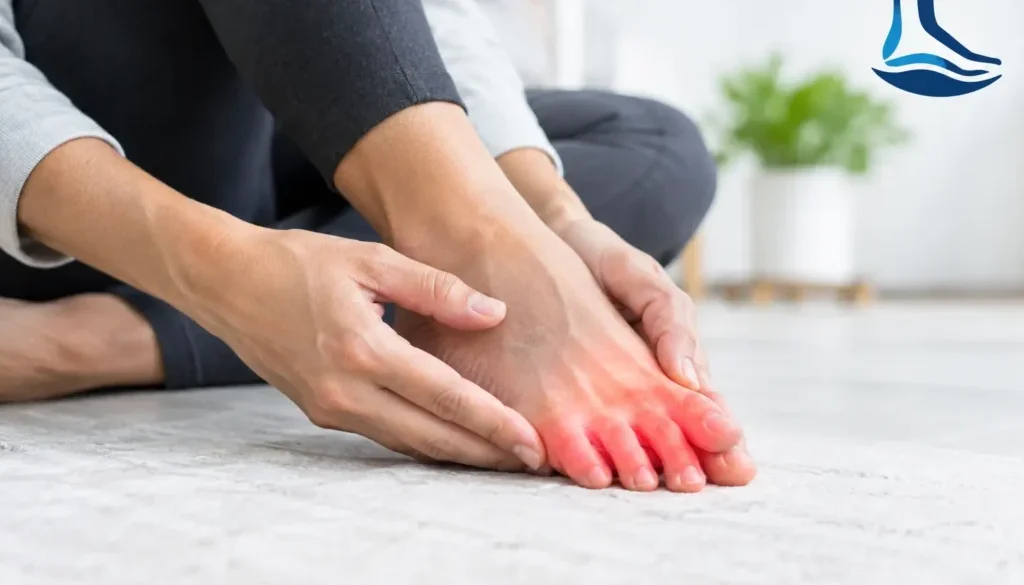
Numbness is different from ordinary foot fatigue. It may feel like pins and needles, burning, reduced sensation, or the odd feeling that there is a fold in your sock when there is not. If it is persistent, recurrent, worsening, or paired with weakness, it deserves a proper assessment rather than simply changing shoes and hoping it passes.
Five causes of toe numbness
1. Tight footwear and direct nerve pressure
Shoes that narrow through the toe box can compress the small nerves that travel into the toes. This is common with dress shoes, narrow running shoes, work boots, ski boots, and footwear with a stiff upper. Swelling after standing, walking, or exercise can make a shoe that fits at the start of the day feel restrictive later on.
Pressure often causes numbness in the little toe, the outer edge of the forefoot, or several toes at once. Symptoms may settle after removing the shoe, but repeated compression can make irritation more frequent. Lacing too tightly over the top of the foot can also irritate nerves and reduce comfort, especially when the foot is already swollen.
Start by checking the practical details: there should be room to move your toes, the widest part of your foot should match the widest part of the shoe, and your toes should not be pushed together. Wider footwear can help, but it is not always the whole answer. If your foot rolls inward excessively or shifts forward in the shoe, the same pressure points may continue despite choosing a roomier style.
2. Forefoot nerve irritation
A frequently recognized cause of numbness between the toes is irritation of a nerve in the ball of the foot. This may create tingling, burning, or numbness that travels into the third and fourth toes, although other toe spaces can be involved. Some people describe a pebble-under-the-foot sensation or feel as though their sock has bunched beneath the forefoot.
Repetitive loading is often part of the picture. Running, court sports, walking on hard surfaces, and occupations that require long periods of standing can all place repeated stress through the front of the foot. High-heeled footwear and narrow shoes may increase that load by crowding the forefoot.
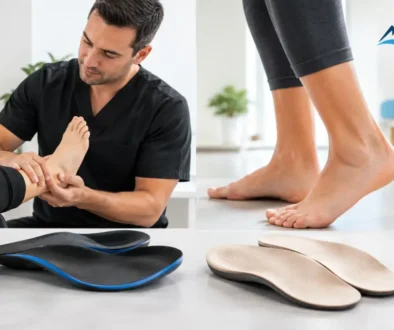
The right treatment depends on the underlying mechanics and how long symptoms have been present. A clinician may assess foot width, toe alignment, arch function, calf flexibility, walking pattern, and where pressure concentrates during gait. Custom orthotics can sometimes be prescribed to redistribute forefoot pressure and improve foot function. They are not a one-size-fits-all solution, however. An orthotic should be based on a clinical assessment and fitted to your footwear and activity needs.
3. Flat feet, high arches, and altered foot mechanics
Toe numbness can be connected to the way your foot absorbs and transfers force. Flat feet may allow the foot to roll inward and place strain on tissues around the ankle and forefoot. High arches can concentrate pressure under a smaller area of the foot. Either pattern may contribute to recurring hotspots, calluses, metatarsalgia, or nerve irritation.
A bunion or other toe alignment change can also alter how weight moves across the ball of the foot. The body often compensates without obvious pain at first. Over time, pressure may shift toward neighboring toes, especially during longer walks or standing shifts.
This is where a biomechanical assessment can be more useful than choosing an insole from a retail shelf. At Vancouver Orthotics Clinics, Dr. Michael Horowitz & Associates use practitioner evaluation, 3D foot scanning, and a structured clinical process to identify how each foot loads during standing and movement. When custom orthotics are appropriate, they are prescribed to address the measured findings rather than simply add cushioning.
4. Nerve symptoms originating higher in the leg or back
Not every numb toe starts in the foot. Nerves travel from the lower back through the hip, leg, ankle, and into the toes. Irritation anywhere along that pathway can change sensation in part of the foot. For example, numbness in the big toe may sometimes occur alongside pain or tingling traveling down the leg. Numbness on the outside of the foot may accompany symptoms around the calf or ankle.
Sitting for long periods, a recent back flare-up, repetitive bending, or leg crossing may aggravate certain nerve pathways. In these situations, changing footwear alone may not resolve the problem. A thorough history is useful because the relationship between back discomfort, leg symptoms, and toe sensation can guide appropriate care.
Biomechanical support may still have a role if foot posture is adding strain to the lower limb, but it should not distract from symptoms that require medical evaluation. Progressive weakness, foot slapping while walking, marked balance changes, or numbness that spreads up the leg should be assessed promptly.
5. Peripheral neuropathy or circulation concerns
Persistent numbness affecting both feet, particularly when it begins gradually in the toes and moves upward, can be related to peripheral neuropathy. Diabetes is one well-known cause, but nerve changes can also be associated with vitamin deficiencies, thyroid conditions, certain medications, alcohol use, and other medical issues. A medical clinician can help determine whether testing is needed.
Circulation problems can also affect how the feet feel, although numbness alone does not confirm a circulation issue. Pay attention to cold toes, unusual color changes, wounds that are slow to heal, or pain in the calves during walking. These symptoms should not be managed solely with inserts, massage, or a new pair of shoes.
People with reduced sensation need to inspect their feet regularly. Check for rubbing, blisters, cracks, pressure marks, or objects inside shoes before putting them on. When sensation is limited, skin damage can develop without the normal warning of pain.
When toe numbness needs prompt attention
Brief numbness after sitting awkwardly or wearing overly tight footwear may resolve quickly. But it is wise to arrange medical care soon when numbness is new and unexplained, lasts more than a few days, returns regularly, interrupts sleep, or is paired with increasing pain.
Seek urgent medical attention for sudden numbness with weakness on one side of the body, trouble speaking, severe back pain with new bladder or bowel changes, a cold or blue foot, significant swelling after an injury, or an open sore with redness and drainage. These symptoms can signal concerns that should not wait for a routine foot assessment.
What a clinical foot assessment can clarify
For recurring symptoms, bring the shoes you wear most often to your appointment. A useful assessment looks beyond the toes themselves. Your clinician may examine sensation, joint motion, tenderness, toe alignment, footwear wear patterns, standing posture, and how your feet function while walking.
If the numbness appears related to forefoot pressure or lower-limb mechanics, conservative care may include footwear guidance, activity modification, targeted stretching, and custom orthotics when clinically indicated. If findings suggest a nerve or medical issue beyond foot mechanics, you can be directed toward the appropriate medical evaluation.
Toe numbness is your body asking for attention, not a symptom to normalize because you stand all day or enjoy being active. A clear diagnosis gives you a better chance of protecting comfort, balance, and the everyday movement that keeps life moving.