Vancouver Orthotic Appointment Guide for Patients
Morning heel pain that eases after a few minutes, aching arches after a long shift, or knee pain that appears on every run can make it hard to know what kind of appointment to book. This Vancouver orthotic appointment guide explains what happens during a clinician-led assessment, how to prepare, and what a custom orthotic plan may involve. The purpose is not to sell a generic insert. It is to identify how your feet, ankles, legs, and movement patterns may be contributing to pain.
At Vancouver Orthotic Clinics by Dr. Michael Horowitz, new patients of many ages are welcome. Whether you are on your feet in a Richmond retail job, walking the seawall from Downtown Vancouver, or returning to activity after recurring discomfort, a clear assessment gives you a practical starting point.
When an orthotic appointment makes sense
An appointment can be useful when pain keeps returning despite rest, changes in footwear, or stretching. Common reasons people come in include plantar fasciitis, heel spurs, flat feet, bunions, metatarsalgia, Achilles tendonitis, shin splints, and ongoing ankle, knee, hip, or low back discomfort.
Not every symptom is caused by the same issue. Heel pain can relate to strain on the plantar fascia, for example, while forefoot pain may involve pressure distribution, toe position, or limited support through the arch. A clinical assessment helps distinguish a pattern that may respond to custom orthotics from a problem that needs a different conservative approach.
You do not need to wait until pain is severe. If your walking, workday, exercise routine, or sleep is being affected, booking an assessment is reasonable. Athletes may also come in before symptoms become persistent when they notice repeated tightness, uneven shoe wear, or a change in running comfort.
How to prepare for your Vancouver orthotic appointment
Preparation is simple, but the right information can make your visit more useful. Wear or bring the shoes you use most often for work, walking, training, or daily errands. Your clinician can look at the condition of the outsole, midsole, and upper, including wear patterns that may offer clues about how you load your feet.
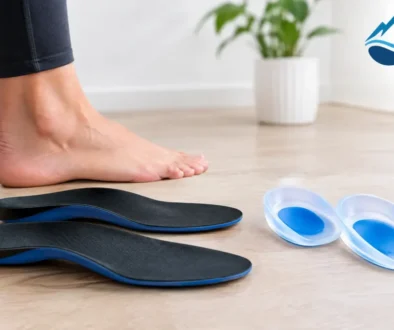
Bring any orthotics, insoles, braces, or compression products you currently use, even if they are uncomfortable or no longer effective. It is helpful to compare what you have been using with what your feet need now. If you have had imaging, a previous diagnosis, or treatment notes related to the area of concern, bring those details as well.
Before your visit, think about the pattern of your symptoms. Be ready to describe when the pain started, where you feel it, what makes it worse, and what gives temporary relief. Details such as “my heel hurts most with the first steps in the morning” or “my knee aches after standing for four hours” are clinically useful.
If you are booking for a child, bring the footwear they wear most often and note any concerns about fatigue, frequent tripping, pain during sports, or changes in willingness to walk or play. Growing feet need an assessment that considers both current symptoms and everyday activity.
Questions worth asking before you arrive
You may want to contact your extended-health provider in advance to ask whether custom orthotics are included in your plan, whether a practitioner prescription is required, and what documentation is needed for a claim. Coverage varies by plan, even among people working for the same employer.
It is also reasonable to ask the clinic about appointment timing, the expected process, and what to bring for your particular concern. Clear answers before the visit can help you plan around work, school, or travel across Greater Vancouver.
What happens during the clinical assessment
A proper orthotic appointment begins with more than a foot measurement. The clinician will discuss your symptoms, health history relevant to your concern, daily activity, footwear, and goals. Someone who stands all day may need a different orthotic strategy than someone training for a half marathon, even if both have arch pain.
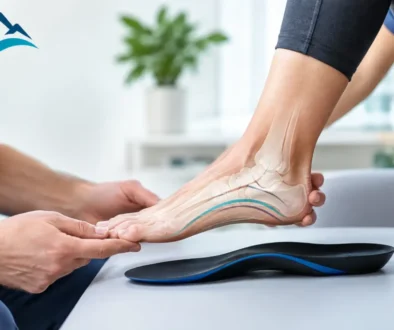
The physical assessment may include an examination of foot position, joint motion, tenderness, arch function, ankle movement, and alignment through the lower limbs. Your clinician may also observe how you stand, walk, or perform a movement related to your symptoms. This helps connect what you feel with how forces travel through the foot and leg.
A 3D foot scan is then used to capture detailed foot shape and contour. The scan is one part of the clinical picture, not the whole diagnosis. Its value is in supporting a custom orthotic prescription that accounts for your foot structure alongside the findings from the examination and movement assessment.
The five-step process, in practical terms
The clinic’s structured five-step process brings assessment, diagnosis, 3D scanning, custom orthotic prescription, and delivery together. Each step has a different purpose: understand the complaint, identify the mechanics involved, collect accurate foot data, create the prescribed device, and ensure it fits and functions appropriately.
This process matters because an orthotic that looks similar to another one may be built very differently. Material firmness, arch contour, heel control, forefoot accommodation, and posting can all affect how the device feels in a shoe and how it manages load during walking or activity.
Custom orthotics are not intended to force every foot into one “ideal” shape. In many cases, the goal is to improve support, distribute pressure, reduce strain on irritated tissues, or guide motion more comfortably. The right approach depends on your condition, footwear, activity level, and how your body responds over time.
What to expect when you receive your orthotics
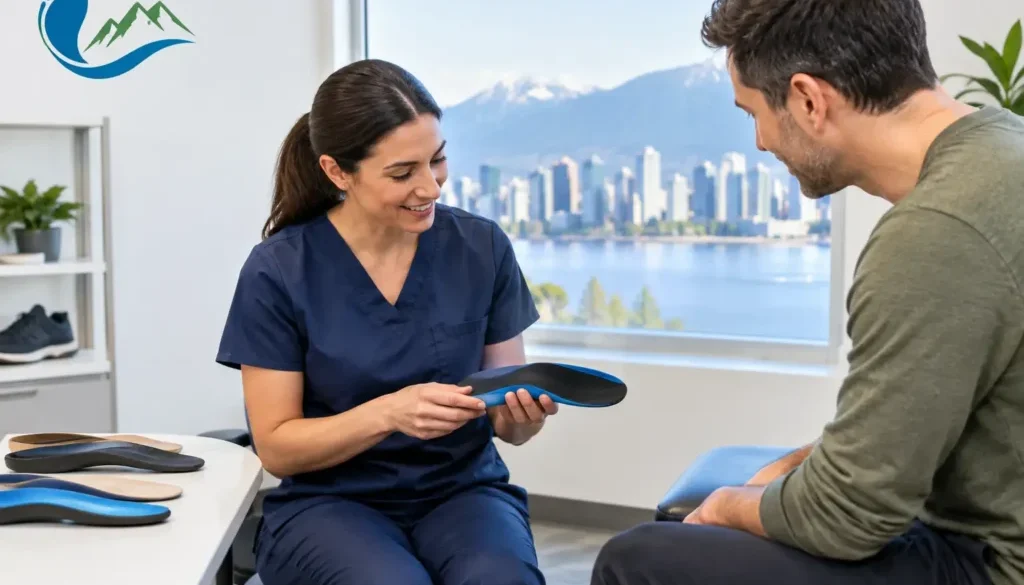
At the fitting appointment, the clinician checks that the orthotics sit correctly in your shoes and reviews how to use them. Bring the shoes you plan to wear most often, as fit can vary substantially between running shoes, work shoes, boots, and casual footwear.
Most people are advised to ease into wear rather than using new orthotics all day immediately. A gradual schedule gives your feet, legs, and back time to adapt. Mild awareness of support can be normal at first, but sharp pain, numbness, rubbing, or worsening symptoms should prompt a call to the clinic for guidance.
The adjustment period is not identical for everyone. A person returning to long standing shifts may progress differently from a runner or someone who uses orthotics mainly for neighborhood walks. Follow the instructions you are given rather than comparing your experience to someone else’s.
Orthotics also work best as part of a larger plan when needed. Your clinician may discuss footwear choices, activity modification, targeted stretching, recovery strategies, or support products such as compression socks or a knee brace. These recommendations should relate directly to your assessment findings and goals.
Understanding extended-health claims
Many patients have questions about reimbursement before they book. Extended-health benefits can help with eligible orthotic expenses, but requirements differ by insurer and plan. Some plans require a prescription or specific receipts, while others set limits on how often orthotics can be claimed.
Ask your provider about your annual maximum, required paperwork, submission deadlines, and whether the claim must be made after delivery. Keep copies of all documents you receive. The clinic can guide you on the documentation provided, but your insurer makes the final decision about coverage.
Avoid assuming that a retail insole and a clinically prescribed custom orthotic are treated the same way by a benefits plan. They often are not. Confirming details early can prevent an unpleasant surprise later.
After the appointment, pay attention to function
Pain relief matters, but so does what you can do with less discomfort. Notice whether first steps in the morning are easier, whether you can stand longer at work, whether walking feels more balanced, or whether recovery after exercise improves. These functional changes give useful feedback at follow-up.
Contact the clinic if symptoms change, your footwear needs shift, or the orthotics no longer feel right. Feet and activity levels can change over time, particularly after an injury, a major change in work demands, or a new training routine. A follow-up assessment can determine whether an adjustment is appropriate.
A good orthotic appointment should leave you with more than a device. You should understand what may be driving your symptoms, how your prescribed support is intended to help, and what practical next step can make daily movement feel more manageable.