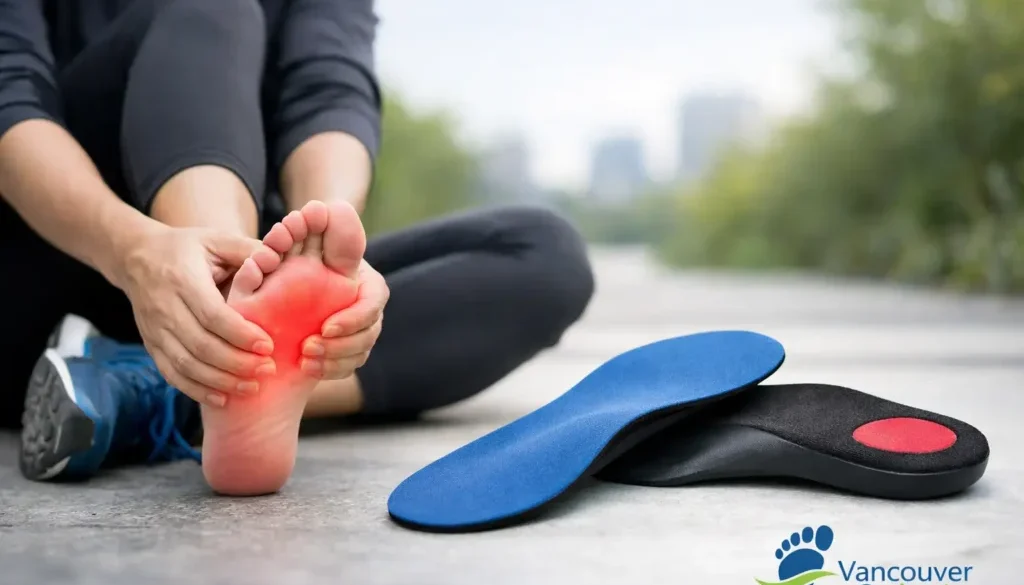
How Orthotics for Runners Can Reduce Pain
A run that starts with a tight heel, aching arch, or nagging shin can change how you move long before you decide to stop. Many runners try new shoes, stretch more, or take a few days off, only to have the same symptoms return on the next longer run. Orthotics for runners can be useful when the problem is tied to how the foot functions under repeated load, but they are not a one-size-fits-all answer.
The goal is not to make your feet passive or to correct every normal variation in foot shape. A well-designed orthotic can support a more efficient movement pattern, reduce stress on irritated tissues, and make running feel more comfortable while you address the factors behind the injury.
When Orthotics for Runners May Be Worth Considering
Running places thousands of repeated impacts through the feet, ankles, legs, and hips. Small changes in foot control can matter over time, particularly when training volume, hills, speed work, or a change in footwear adds more demand than the body is ready to handle.
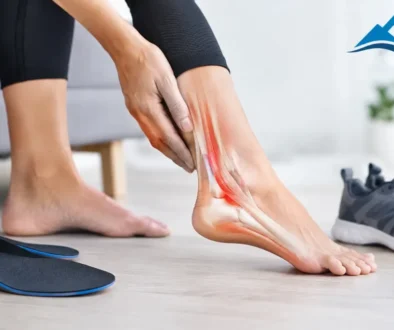
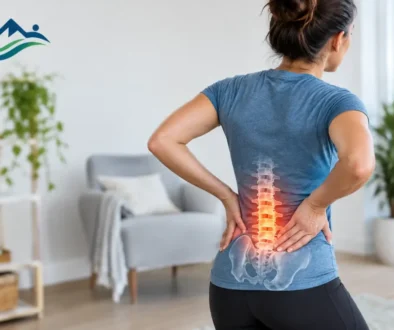
An assessment may be appropriate when pain is recurring rather than settling with sensible changes to training. Common concerns include first-step heel pain in the morning, arch fatigue, pain under the ball of the foot, Achilles tendon discomfort, shin pain, repeated ankle strain, or discomfort that travels upward into the knee, hip, or low back.
Flat feet can be relevant, but they are not automatically a problem. Some runners have low arches and run comfortably for years. The clinical question is whether the foot is moving in a way that overloads a particular structure, and whether that movement relates to your symptoms. The same is true for high arches, which can sometimes concentrate pressure beneath the heel or forefoot.
A custom device may also help runners whose feet function differently from side to side, those returning to running after an injury, or those who continue to develop pain despite using a shoe that otherwise fits well. It depends on the diagnosis, your training demands, your running surface, and the shoes you actually wear.
Why a Store-Bought Insole Is Not Always Enough
Over-the-counter insoles can be a reasonable starting point for mild, short-term discomfort. They may add cushioning, take up extra space in a loose shoe, or provide a modest amount of arch contact. For some runners, that is all that is needed.
The limitation is that a retail insole is made for a general foot shape and general activity. It cannot account for where your foot loads during gait, how your heel and ankle move, whether one leg is compensating for the other, or where pain occurs during a run. More cushioning is not necessarily more support, and a very firm arch can aggravate symptoms if it presses in the wrong place.
Custom orthotics are prescribed after a clinical assessment. Their shape, materials, posting, and cushioning can be selected to address the demands of running and the runner’s specific findings. A runner with plantar fasciitis may need a different design from someone with metatarsalgia, Achilles tendon irritation, or knee pain related to lower-limb alignment.
What a Clinical Running Assessment Looks For
At Vancouver Orthotics Clinics by Dr. Michael Horowitz, the process begins with more than looking at the arch. A practitioner asks where the pain is felt, when it appears, what changes preceded it, and which activities are limited. Training history matters: a sudden increase in distance, a new route with more hills, worn-out running shoes, and a return after time off can all contribute.
The physical assessment considers foot posture, joint motion, muscle tightness, areas of tenderness, and lower-limb alignment. Walking and functional movement may be observed to identify how the feet and legs manage load. A 3D foot scan provides precise measurements that help guide the custom orthotic design.
This structured approach matters because symptoms with a similar name do not always have the same cause. Heel pain, for example, may relate to plantar fascia overload, pressure sensitivity, calf tightness, training error, or a combination of factors. Treating only the location of pain without considering biomechanics can leave the underlying stress unchanged.
How Custom Orthotics Work During a Run
An orthotic sits inside the running shoe and influences the interface between your foot and the ground. Depending on the clinical findings, it may help guide excessive motion, redistribute pressure away from a painful area, support the arch through stance, or cushion a high-load region.
This does not mean an orthotic forces the foot into a perfectly fixed position. Running is dynamic, and the device needs to work with the foot, the shoe, and the athlete’s movement. The best result is usually a runner who notices less strain and greater comfort, not someone who constantly feels the orthotic underfoot.
The shoe still matters. An orthotic must fit inside the shoe without crowding the toes or lifting the heel out of the heel counter. Bring the running shoes you use most often to your appointment when possible. A device that feels good in a daily sneaker may need adjustments to work properly in a lower-volume running shoe.
Getting Used to New Orthotics
Most runners should not put new custom orthotics into a long run immediately. The feet, calves, and lower limbs need time to adapt to a changed support pattern. Start by wearing them for short periods during daily activity, then introduce brief, easy runs as comfort allows.
A gradual progression may look different for every runner. Someone managing significant heel pain may need a slower return than someone using orthotics to reduce mild forefoot pressure. Some initial awareness of a new support surface can be normal. Sharp pain, numbness, rubbing, increased symptoms that persist, or a sensation that your shoe no longer fits properly are reasons to contact the clinic for a review rather than pushing through.
Orthotics work best alongside practical training decisions. Reduce intensity or distance when symptoms are active, especially if pain changes your stride. Build back gradually, replace shoes that have lost their structure, and include the mobility and strengthening exercises recommended for your diagnosis. Calf capacity, foot strength, hip control, recovery, and sleep can all influence how well a runner tolerates training.
Common Running Problems That Need Individual Advice
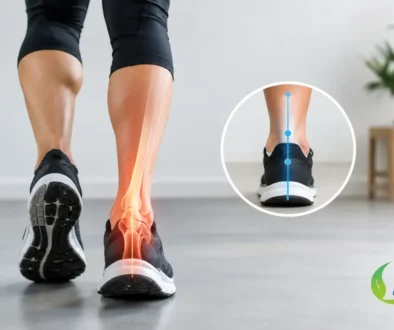
A runner with plantar fasciitis may benefit from support that reduces strain through the plantar fascia, combined with calf and foot rehabilitation. A runner with shin splints may need an evaluation of training load, footwear, lower-leg mechanics, and how the foot controls impact. For Achilles tendon pain, the right amount of heel support and shoe compatibility can be particularly relevant, but treatment should also address tendon loading.
Pain under the forefoot may come from pressure distribution, a stiff big toe, a change in running surface, or footwear that is too narrow. Knee or hip pain can sometimes relate to foot mechanics, but it should not be assumed that the foot is the sole cause. That is why diagnosis comes before a device recommendation.
If pain begins suddenly after a specific incident, is severe, causes marked swelling, involves numbness, or continues to worsen, seek prompt clinical evaluation. Runners are often good at tolerating discomfort, but persistent pain is useful information, not a challenge to ignore.
Choosing Support That Fits Your Actual Running Life
The right question is not, “Do runners need orthotics?” It is, “What is driving my symptoms, and would support change the load enough to help?” For some people, a footwear adjustment and training reset are sufficient. For others, clinician-prescribed orthotics are a meaningful part of conservative care for recurring pain.
If you run in Vancouver, Burnaby, Richmond, the North Shore, or Greater Victoria, a practitioner-led assessment can replace guesswork with measurable findings and a clear plan. Bring your running history, your most-used shoes, and an honest description of when pain starts. That conversation is often the first practical step toward enjoying your next run without planning it around discomfort.