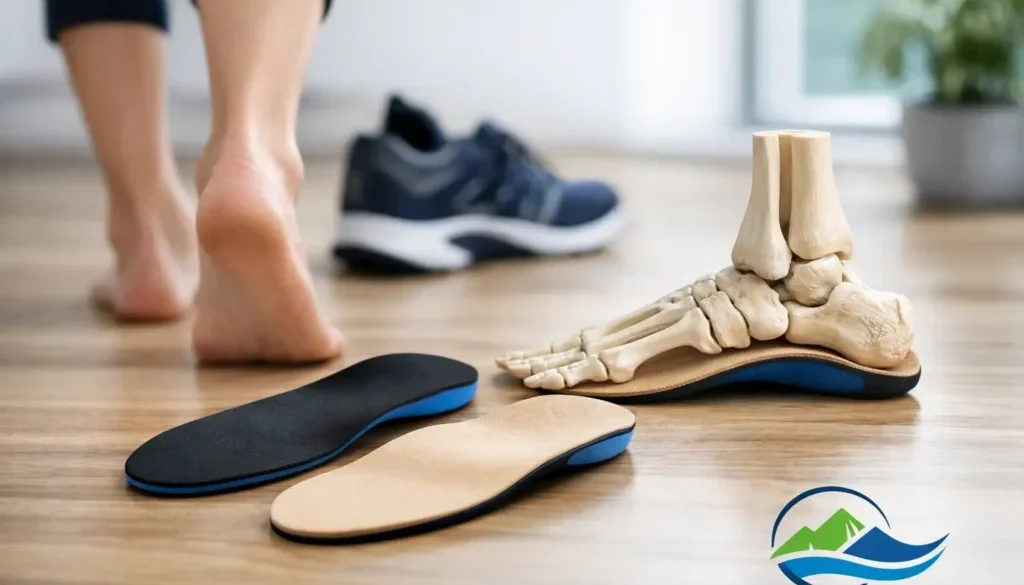
Flat Feet Orthotics for Pain and Better Walking
A long walk along the seawall, a retail shift, or a morning run can become surprisingly uncomfortable when your arches flatten and your feet feel tired before the day is over. Flat feet orthotics are designed to support the way your feet function under load, not simply to make a shoe feel softer. For people with recurring heel, arch, ankle, knee, hip, or low back discomfort, the right support may reduce the strain that begins at the feet and travels upward.
Flat feet are common, and they are not automatically a problem. Many people have low arches without pain or limitation. The concern is not the appearance of the arch alone. It is whether the foot is moving, loading, and aligning in a way that contributes to symptoms during walking, standing, work, or exercise.
What Flat Feet Can Change
With flat feet, the arch may lower noticeably when body weight moves onto the foot. This is often accompanied by pronation, a natural inward rolling motion of the foot. Some pronation is normal and useful for shock absorption. When it is excessive or poorly controlled for that person’s body and activity level, surrounding tissues can be asked to do more work than they tolerate comfortably.
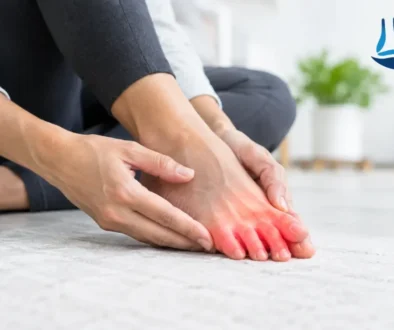
That extra demand may show up as arch fatigue, pain at the inside of the ankle, plantar heel pain, shin discomfort, Achilles tendon irritation, or pressure through the forefoot. Because the foot is the foundation for the leg, a change in foot motion can also affect the way the knees, hips, and lower back manage movement. This does not mean every knee or back symptom starts in the feet. It does mean foot mechanics deserve consideration when pain repeatedly occurs with standing, walking, or running.
A person can develop symptoms at any age. Children may have flexible, low arches that change as they grow, while adults may notice discomfort after a job change, an increase in activity, pregnancy, a new training routine, or years of standing on hard floors. A previously comfortable flat foot can become symptomatic when its workload changes.
How Flat Feet Orthotics Work
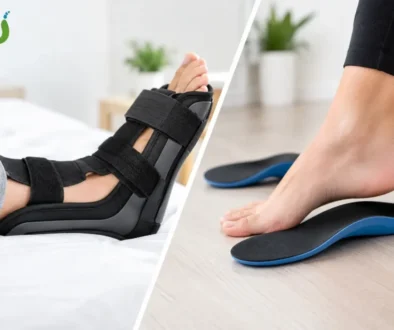
Flat feet orthotics are inserts prescribed to support and guide the foot according to its specific mechanics. A clinically prescribed custom orthotic is not intended to force every foot into a high arch. Instead, it is designed around the patient’s foot shape, areas of pressure, movement pattern, footwear, symptoms, and daily demands.
Depending on the assessment, an orthotic may support the medial arch, help manage heel motion, redistribute pressure away from painful areas, or improve how the foot transitions from heel strike to push-off. These changes can reduce stress on structures that are working too hard. For someone with plantar fasciitis, for example, improved support may reduce repeated tension through the plantar fascia. For someone with forefoot pain, the priority may be pressure distribution rather than arch height alone.
The goal is practical: make standing, walking, working, and exercising more comfortable while addressing a contributing biomechanical factor. Orthotics are commonly one part of conservative care, alongside footwear guidance, activity adjustments, stretching or strengthening recommendations, and recovery strategies when appropriate.
Why Store-Bought Insoles Are Not Always Enough
Over-the-counter insoles can be a reasonable short-term option for mild fatigue or for trying additional cushioning in a roomier shoe. They are widely available and cost less upfront. However, they are made to fit a broad range of feet and cannot account for how your individual foot moves, where it hurts, or whether one side behaves differently from the other.
This is where a custom device can be useful. Two people may both describe themselves as having flat feet, yet one may have heel pain after sitting, another may have ankle fatigue after long shifts, and another may have no pain but frequent knee soreness while running. A generic insole offers the same basic shape to each person. A clinical assessment can identify whether orthotic support is appropriate and what that support needs to do.
Custom orthotics also need to work with the shoes you actually wear. A device intended for walking shoes may need a different profile than one used in work boots, running shoes, or casual footwear. The best option depends on the footwear, the activity, and the condition being treated.
Signs You May Benefit From an Assessment
Pain is not the only reason to have flat feet evaluated. Recurrent fatigue, uneven shoe wear, or a sense that one foot collapses inward more than the other can be useful clues. It is especially worth arranging an assessment when symptoms keep returning despite rest or when they limit normal activity.
Common concerns include morning heel pain, aching in the arch after standing, pain along the inside of the ankle, burning or pressure in the ball of the foot, recurring shin splints, and knee discomfort that appears after longer walks or runs. Parents may also seek guidance when a child frequently avoids walking, complains of foot or leg pain, or has a clearly uneven gait.
Sudden changes deserve prompt attention. New swelling, significant pain after an injury, numbness, marked weakness, or a rapid change in foot shape should be assessed by a qualified health professional rather than managed with an insert alone.
A Clinical Process Is More Than a Foot Scan
A 3D foot scan provides useful information about foot shape and loading surface, but it is one piece of the clinical picture. At Vancouver Orthotic Clinics, Dr. Michael Horowitz & Associates use a structured 5-step process that combines practitioner evaluation, diagnosis, 3D scanning, orthotic prescription, and delivery guidance.
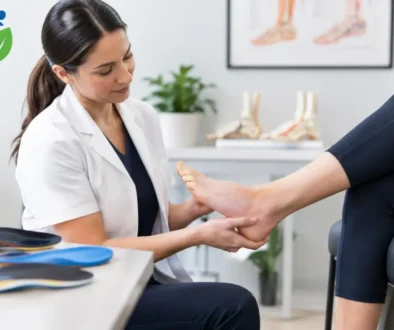
The appointment begins with the story behind the symptoms: where pain occurs, when it started, what makes it better or worse, prior injuries, work demands, exercise habits, and the shoes worn most often. The practitioner then assesses posture, gait, range of motion, foot and lower-limb alignment, and areas of tenderness or strain. This helps distinguish a low arch that is simply a normal variation from one that may be contributing to a treatable pain pattern.
The 3D scan captures detailed contours of the foot to support the custom design process. The prescribed orthotic is then made to address the findings from the examination, not from the scan in isolation. At delivery, patients receive guidance on fit, break-in expectations, and how to use the orthotics with their footwear.
A gradual break-in period is common. Orthotics can change how forces are distributed through the feet and legs, so wearing them for short periods at first and increasing use as advised often makes the transition more comfortable. Mild awareness of support can be normal early on. Persistent pain, rubbing, or an awkward fit should be brought back to the clinic for review.
Getting Better Results From Orthotics
An orthotic works inside a larger daily routine. Shoes with a stable heel counter, enough depth for the device, and a secure fit generally provide a better platform than worn-out or overly flexible footwear. This matters for office workers walking to transit, healthcare and retail professionals on hard floors, and active adults training on Vancouver’s hills and trails.
If symptoms are linked to an overuse injury, doing more too quickly can undermine progress. A runner with shin pain may need temporary changes to distance, speed, or terrain. A person with heel pain may need to avoid long barefoot periods on hard flooring. Gentle mobility and strengthening work can also be recommended when weakness or tightness is contributing to the problem.
Orthotics should not be judged only by the first day. Relief may be immediate for some people, while others need an adjustment period and a broader plan for irritated tissue to settle. The useful question is whether daily comfort, endurance, and confidence in movement are improving over time.
When to Reassess Your Orthotics
Orthotics are durable devices, but feet, shoes, activity levels, and symptoms can change. A review is sensible when pain returns, footwear changes significantly, the orthotics show visible wear, or a child has a growth spurt. Adults should also seek reassessment after a major change in work demands, training volume, or injury.
For residents of Greater Vancouver, Victoria, and Langford, a local practitioner-led assessment offers a clear place to start when flat feet are affecting comfort or mobility. Extended-health plans may include orthotic benefits, although plan requirements and claim documentation vary. Checking your coverage before an appointment can help you understand what information your insurer may require.
If flat feet are making ordinary walking feel like work, do not wait for the discomfort to become your normal. A careful assessment can clarify whether custom support is likely to help and give you a practical plan for moving with less strain.