What Pacific Blue Cross Orthotics Coverage May Include
Morning heel pain can make the first few steps of the day feel surprisingly difficult. If you are considering custom orthotics, Pacific Blue Cross orthotics coverage may help with the cost, but eligibility depends on your individual extended-health plan and the documentation attached to your claim. Checking those details before your assessment can prevent delays and help you make a confident treatment decision.
How Pacific Blue Cross Orthotics Coverage Usually Works
Extended-health plans are not all built the same way. Two people with Pacific Blue Cross benefits can have different annual maximums, reimbursement percentages, renewal dates, and claim requirements, even when they work for the same employer. Your plan booklet, member portal, or benefits representative is the source of truth for your coverage.
Many plans provide a separate allowance for custom orthotics. That allowance may be a fixed dollar amount each benefit year, a percentage of the orthotic cost up to a maximum, or coverage available once every one or two years. Some plans apply the amount to a calendar year, while others follow the date your benefits began. If you have recently used orthotic benefits, confirm when they reset before starting a new claim.
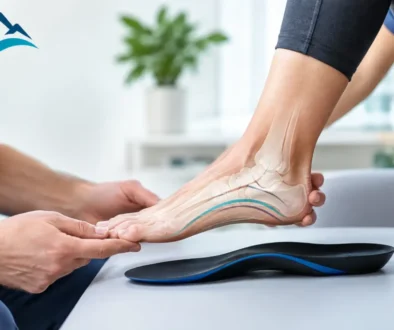
Coverage also commonly depends on whether the orthotics are genuinely custom-made for your feet and clinical needs. Retail inserts, even supportive ones, may not qualify under a custom orthotics benefit. A clinical assessment, foot measurements or 3D scanning, and documentation of the condition being addressed can help establish that the device is made specifically for you.
What to Confirm Before Your Appointment
A short call to Pacific Blue Cross or your workplace benefits contact can save time later. Ask whether custom foot orthotics are included in your plan, how much remains in your current benefit period, and whether a prescription or referral is required. It is also useful to ask whether the plan has specific rules about who may assess, prescribe, dispense, or invoice for the orthotics.
Do not assume that a previous claim tells you everything about a new one. Insurers and employer plans can update their rules, and coverage can change when you change jobs, select a different benefits option, or move from a personal plan to a family plan.
When you call, write down the date, the representative’s name, and any claim instructions they provide. This is particularly helpful if your plan asks for documents beyond a standard receipt. A pre-approval process may be available for some plans, but it is not universal. Ask whether pre-approval is recommended and what information must be submitted.
Questions worth asking your benefits provider
You do not need a long checklist. Focus on the questions that affect your out-of-pocket cost: Are custom orthotics covered? What is my remaining maximum? Is a prescription required? What paperwork is needed? Can I submit electronically, and is pre-approval available?
Getting clear answers makes it easier to plan treatment rather than discovering a missing requirement after the orthotics have been made.
Documents That Can Support an Orthotics Claim
Claims are generally strongest when the paperwork clearly connects a clinical need to a custom device and identifies what was provided. Requirements vary by plan, but patients are often asked for an itemized receipt showing the date of service, the cost, and that the product is custom orthotics.
Your insurer may also request a prescription from an eligible medical professional. The wording, date, and validity period can matter, so ask your plan whether the prescription needs to be obtained before the orthotics are ordered or dispensed. A prescription written after the fact may not meet every plan’s rules.
Clinical records may be useful as well. For example, recurring plantar fasciitis, flat-foot-related strain, metatarsal pain, Achilles tendon irritation, or knee pain associated with foot mechanics can all warrant an assessment. The purpose is not simply to give the insurer a diagnosis. It is to document why a custom device is being recommended and how it relates to your walking, standing, work, sport, or daily discomfort.
Keep copies of every document you submit. If the insurer asks a follow-up question, having the receipt, prescription, and supporting paperwork together can make the process much less frustrating.
Why a Clinical Assessment Matters for Coverage and Care
Insurance is only one part of the decision. The more important question is whether orthotics are appropriate for the pain or movement problem you are experiencing.
At a practitioner-led assessment, the goal is to look beyond the area that hurts. Heel pain may be influenced by how the foot loads during walking. Pain under the ball of the foot can relate to pressure distribution. Shin, knee, hip, or lower-back discomfort may sometimes be affected by lower-limb alignment and foot function. Orthotics are not a universal answer, but they can be a useful conservative treatment when the assessment identifies mechanics that need support or control.
A thorough process may include a health history, examination of symptoms and movement, gait observation, and a 3D foot scan. These findings help guide the design of the orthotic, including its shape, support level, cushioning, and accommodations for areas under excess pressure. This is different from selecting a pre-made insole based only on shoe size or arch height.
For patients with active jobs, the details matter. A retail worker standing for eight hours may need a different approach than a runner with recurring heel pain, or an office worker whose discomfort increases after a daily walk. Footwear, activity demands, recovery time, and the specific diagnosis all affect the recommendation.
Common Claim Mistakes to Avoid
The most common mistake is waiting until after an appointment to review benefit rules. By then, a plan may require a document that should have been obtained earlier. Another frequent issue is submitting a receipt that does not include the level of detail the insurer expects.
It can also be tempting to choose an orthotic based entirely on the size of the benefit. That approach may lead to a device that does not suit your condition, work shoes, or activity level. A benefit can offset eligible costs, but it should not replace a clinical discussion about what your feet and lower limbs actually need.
Finally, do not confuse an insurer’s approval with a guarantee that pain will disappear immediately. Many people need an adjustment period as their body adapts to a new level of support. Your practitioner can explain what to expect, how to introduce orthotics gradually if appropriate, and when to return if symptoms persist or change.
Submitting Your Claim With Confidence
Once you have the required paperwork, submit the claim according to your plan’s instructions. Some members can upload documents through an online account, while others may need to use a claim form. Review the form carefully, especially the service date, provider information, product description, and total amount paid.
If your claim is denied, read the explanation before assuming the orthotics are not covered. A denial may result from a missing prescription, an expired benefit period, a used-up annual maximum, or a document that needs clarification. In some cases, additional information can be submitted. Contact your insurer directly to understand the next step and any deadline for reconsideration.
Vancouver Orthotic Clinics can help patients understand the clinical paperwork associated with their visit, but your insurer makes the final decision about eligibility and reimbursement. That distinction is worth keeping in mind when planning your appointment.
If heel, foot, ankle, knee, hip, or back pain is changing how you move through your day, begin with a proper assessment and confirm your benefits early. Clear claim information is helpful, but the real value of custom orthotics is a treatment plan built around how your body moves and what you need to do comfortably.