Pacific Blue Cross Lifetime Orthotic Coverage: Can You Qualify for a Replacement Pair?

Pacific Blue Cross Lifetime Orthotic Coverage: Can You Qualify for a Replacement Pair?
Many Pacific Blue Cross members are surprised to learn that some extended health plans provide coverage for custom orthotics only once in a lifetime. If you’ve previously received custom orthotics through your benefits plan, you may wonder whether you can ever qualify for a replacement pair.
The answer depends on your specific benefits plan and your current medical situation.
When Might a Replacement Pair of Custom Orthotics Be Considered?
In some circumstances, a benefits provider may review a request for replacement orthotics if there has been a significant change in your condition since your original orthotics were prescribed.
Examples may include:
- New or worsening foot pain
- Development of plantar fasciitis
- Changes in foot structure or biomechanics
- Progression of arthritis
- Significant weight changes
- Changes in activity levels or occupational demands
- Existing orthotics that are no longer providing adequate support
- Orthotics that have reached the end of their functional lifespan
Each case is assessed individually and approval is never guaranteed.
The Importance of Updated Medical Documentation
If your symptoms have changed, an updated assessment may help document why replacement orthotics are medically necessary.
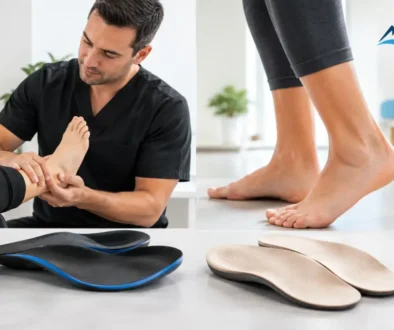
A healthcare professional may perform:
- A biomechanical assessment
- Gait analysis
- Physical examination
- Review of your current symptoms
- Evaluation of your existing orthotics
If clinically appropriate, they may provide documentation describing how your condition has changed and why replacement orthotics are being recommended.
What If My Orthotics Are Worn Out?
Custom orthotics are medical devices that experience daily wear and tear. Over time, materials can compress, lose support, or become damaged.
When orthotics have significantly deteriorated, a healthcare provider may document:
- Structural breakdown of the device
- Loss of corrective function
- Excessive wear
- Reduced ability to manage the patient’s condition
Supporting documentation may be useful when discussing replacement options with your insurance provider.
Steps to Take Before Ordering New Orthotics
- Review your Pacific Blue Cross benefits booklet.
- Contact Pacific Blue Cross to verify your current coverage.
- Schedule a comprehensive biomechanical assessment.
- Bring your existing orthotics to the appointment.
- Obtain any required prescription and supporting medical documentation.
- Confirm claim requirements before proceeding with fabrication.
How Vancouver Orthotic Clinics Can Help
At Vancouver Orthotic Clinics, we regularly assess patients whose symptoms have changed since receiving their original orthotics. Our comprehensive biomechanical assessments help determine whether replacement custom orthotics are clinically indicated and provide the documentation often required by extended health insurers.
If you’re unsure whether your current orthotics are still meeting your needs, a professional assessment can help identify the best next steps.
Frequently Asked Questions
Can I get a second pair of orthotics if my plan says “once per lifetime”?
Possibly. Some insurers may review requests when there is documented evidence of a significant change in condition or when the existing orthotics are no longer clinically appropriate. Approval depends on your individual plan and supporting documentation.
Do worn-out orthotics automatically qualify for replacement coverage?
Not necessarily. Coverage decisions are made by the insurer and may require supporting documentation from a healthcare professional.
Should I contact Pacific Blue Cross before ordering new orthotics?
Yes. Benefits plans vary significantly, and confirming your coverage before proceeding can help avoid unexpected expenses.
Book an Orthotic Assessment
If your foot pain has returned, your symptoms have changed, or your current orthotics are showing signs of wear, our team can evaluate your condition and help you understand your available treatment and insurance options.