Heel Cups Versus Orthotics: Which Helps Heel Pain?
A silicone heel cup can make the first steps of the morning feel more tolerable. That can be a meaningful win when heel pain has been disrupting work, walks, or exercise. But heel cups versus orthotics is not really a question of which product is universally better. It is a question of what is causing the pain, how your foot moves, and whether cushioning alone can address the strain.
For some people, a heel cup is an appropriate short-term comfort measure. For others, recurring plantar fasciitis, flat-foot mechanics, Achilles tendon irritation, or pain that travels into the knees, hips, or low back may call for a more complete clinical assessment. The right choice should make sense for your symptoms, footwear, activity, and daily demands.
Heel Cups Versus Orthotics: The Main Difference
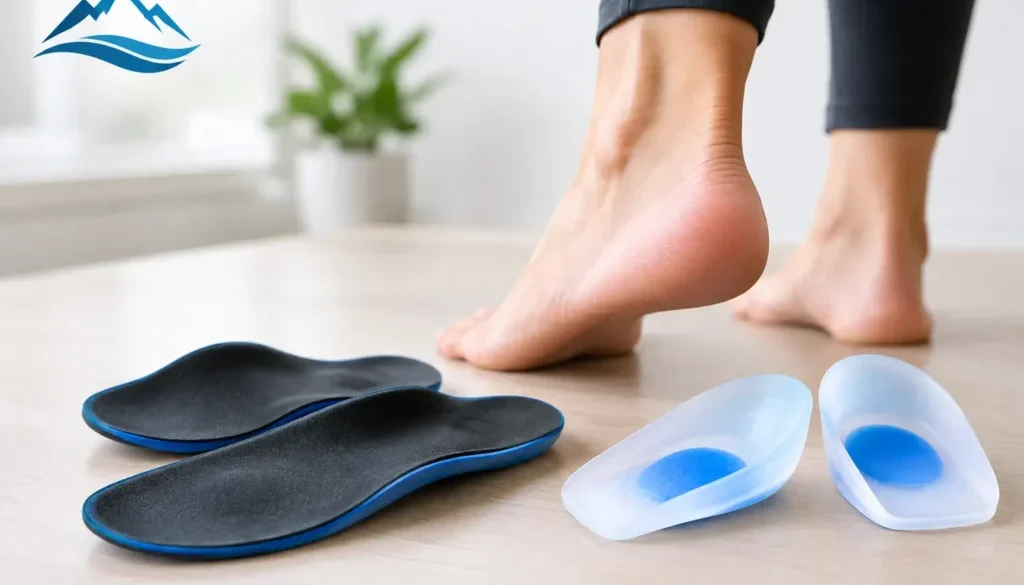
Heel cups are small inserts placed in the heel area of a shoe. Usually made from silicone, gel, foam, or a firmer molded material, they cushion the heel and may slightly raise it. Their main purpose is to reduce direct pressure and soften impact under a sore heel.
Orthotics support the foot more broadly. A properly prescribed custom orthotic is designed around the individual foot and the way it functions during standing and walking. It can support the arch, manage excessive motion, redistribute pressure, influence heel position, and improve how forces move from the foot through the ankle and lower limb.
That difference matters because heel pain is not always a heel-only problem. The sore spot may be under the heel, but the contributing factor can be limited ankle movement, repeated strain on the plantar fascia, a collapsing arch, a very high arch, poor load distribution, or a rapid increase in walking, running, or standing.
When a Heel Cup May Be Enough
A heel cup can be a sensible first step when pain is mild, recent, and clearly related to temporary overloading. For example, a person who spent several long shifts standing in unsupportive footwear, increased their walking suddenly, or wore hard-soled shoes on concrete may benefit from added heel cushioning while the area settles.
Heel cups may also help when there is tenderness directly beneath the heel and the shoe has limited padding. They are inexpensive, easy to move between shoes, and can be useful for people who need a little more shock absorption during a short period of recovery.
However, a heel cup has limits. It does not provide full-foot support, does not correct an unstable heel or arch pattern, and may not fit well in every shoe. Raising the heel can sometimes reduce pull on the Achilles tendon, but it can also change how the foot sits in the shoe. If the cup makes the heel feel cramped, causes rubbing, or shifts your weight forward onto the ball of the foot, it may create a new source of discomfort.
A heel cup is also less likely to solve recurring morning heel pain, especially pain that returns after every busy week or flares as soon as you resume exercise. That pattern often suggests there is an ongoing mechanical contributor worth assessing.
When Orthotics Are More Appropriate
Orthotics are generally worth considering when heel pain has lasted more than a few weeks, repeatedly returns, or limits normal activity. They may be particularly helpful when heel pain occurs alongside flat feet, arch fatigue, bunion irritation, metatarsalgia, shin splints, ankle pain, or knee discomfort.
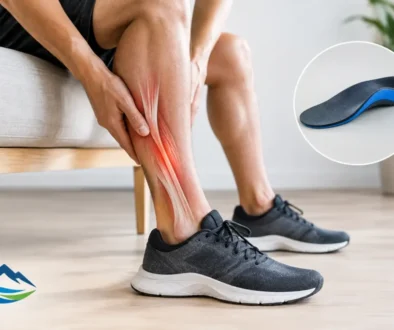
The goal is not simply to make the heel softer. It is to manage the forces that are repeatedly stressing the painful tissue. In plantar fasciitis, for instance, support under the arch and appropriate control of foot motion can reduce strain on the plantar fascia with every step. For Achilles tendonitis, the clinical approach may need to account for calf tightness, ankle motion, heel position, and the demands of the person’s work or sport.
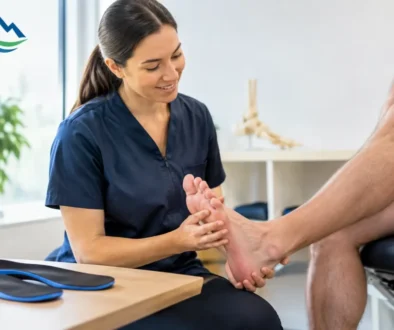
Custom orthotics are not identical to store-bought insoles. A retail insole can add cushioning or general arch contour, which may be useful for mild fatigue. A custom device begins with an assessment of symptoms, footwear, standing alignment, walking mechanics, and foot structure. At Vancouver Orthotics Clinics by Dr. Michael Horowitz, this process includes practitioner evaluation and 3D foot scanning so recommendations are based on measurable foot biomechanics rather than a generic insert.
That does not mean every painful heel needs a custom orthotic. If the issue is temporary and improving, a heel cup, supportive shoe, and activity modification may be all that is required. But if symptoms are persistent, an orthotic assessment can help identify why the pain keeps returning.
What Your Symptoms Can Tell You
The timing and location of heel pain offer useful clues. Sharp pain under the heel with the first few steps after sleep or sitting is commonly associated with plantar fascia irritation. Pain at the back of the heel, particularly when climbing stairs or pushing off, may involve the Achilles tendon. Bruise-like tenderness after prolonged standing can point to pressure sensitivity or reduced cushioning, although a clinician should assess persistent symptoms rather than relying on self-diagnosis.
Pay attention to whether pain changes with different shoes. If a cushioned running shoe feels much better than a flat, hard-soled shoe, impact may be a major factor. If pain improves only when the arch is supported, foot mechanics may play a larger role. If the pain spreads into the arch, ankle, knee, hip, or low back, it is even more useful to look beyond the heel itself.
Children, teens, and adults can all experience heel pain for different reasons. A growing child with activity-related heel discomfort should be assessed differently than an adult whose morning pain has been building for months. The same is true for runners, retail workers, nurses, warehouse staff, and people returning to fitness after time away. A product choice should follow the pattern, not just the location of the pain.
Choosing Between Heel Cups and Orthotics
A practical way to decide is to consider duration, recurrence, and function. A heel cup may be reasonable if discomfort is new, mild, and improving week by week. Choose footwear with a stable heel counter, adequate width, and enough depth to hold the insert without crowding the foot.
An orthotic assessment is more appropriate if pain persists, keeps returning, affects your gait, or stops you from doing normal activities. It is also a useful next step if you have already tried rest, stretching, supportive footwear, or an over-the-counter insert without lasting improvement.
Orthotics should be prescribed for the footwear you actually use. Someone who spends the day in work shoes may need a different profile than someone primarily wearing running shoes. There can also be an adjustment period as the body adapts to new support. A good clinical plan accounts for that and includes guidance on wearing time, shoe fit, and complementary care.
Support the Heel Without Ignoring the Cause
Whether you use a heel cup or orthotics, a few daily habits can reduce unnecessary strain. Avoid suddenly doubling your walking or running volume. Replace shoes once the midsole is worn down or the heel is visibly tilted. Gentle calf and plantar fascia stretching may help some people, particularly when stiffness is prominent first thing in the morning.
Avoid pushing through increasing pain simply because an insert provides temporary relief. Pain relief is useful, but it should allow a gradual return to activity rather than mask a problem that is getting worse. New swelling, numbness, marked redness, inability to bear weight, or pain after a significant injury should be assessed promptly.
For people in Vancouver, Burnaby, Richmond, the North Shore, Victoria, or Langford who are unsure what is driving recurring heel pain, a clinician-led assessment can provide clarity before you spend more money experimenting with inserts. The most helpful support is the one that fits your foot, your symptoms, and the life you want to get back to.