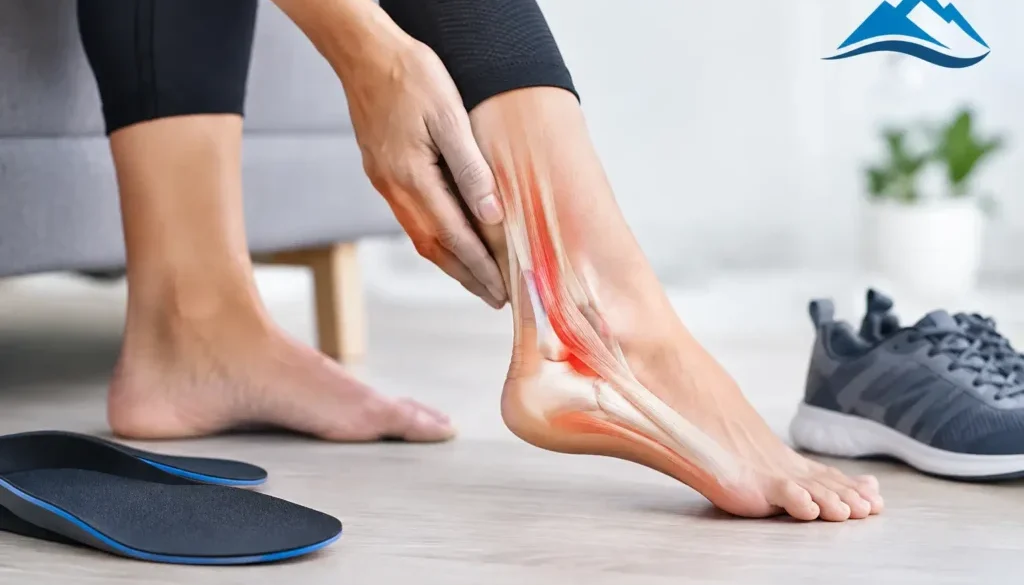
Posterior Tibial Tendonitis and Arch Pain
Inner ankle pain that gets worse after a long walk, a run, or a shift on your feet is easy to dismiss as a minor strain. But when it comes with a tired, aching arch or a foot that seems to be flattening, posterior tibial tendonitis may be part of the problem. Early care matters because this tendon plays a major role in supporting the arch and controlling how the foot moves with every step.
At Vancouver Orthotic Clinics, clinician-led assessment focuses on why the tendon is being overloaded, not simply on where it hurts. For many people, the answer involves foot mechanics, footwear, activity demands, and the amount of support available to the arch during walking and standing.
What posterior tibial tendonitis feels like
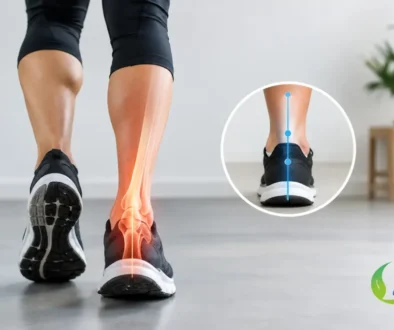
The posterior tibial tendon runs from the lower leg, behind the inside of the ankle, and into the foot. It helps support the arch and assists with pushing off the ground. When the tendon is irritated or overloaded, pain is often felt along the inside of the ankle or through the inner arch.
Symptoms can begin gradually. You may notice soreness after exercise, fatigue in one foot after standing, or discomfort when walking on uneven ground. As irritation increases, the area may feel tender to touch, mildly swollen, or painful during push-off. Some people also find that shoes fit differently because the arch appears lower or the foot rolls inward more than it used to.
A simple single-leg heel raise can sometimes reveal a problem. If it is painful or unusually difficult to rise onto the ball of the affected foot, the tendon may not be tolerating load well. That finding alone does not confirm a diagnosis, but it is a good reason to arrange an assessment rather than trying to train through the pain.
Why the tendon becomes overloaded
Posterior tibial tendonitis is often an overuse problem, but “overuse” does not always mean high-level sport. A sudden jump in walking, hiking, running, or court activity can irritate the tendon. So can a work schedule that involves many hours on hard floors.
Foot structure also matters. People with flat feet or an arch that drops substantially during walking may place greater demand on the posterior tibial tendon. This does not mean everyone with flat feet will develop pain. It means the tendon may have less reserve when activity, body weight, training changes, worn footwear, or a previous ankle injury are added to the picture.
Poorly supportive shoes can contribute, particularly if the heel counter has softened, the midsole is compressed, or the shoe allows excessive foot motion. The right support is individual. A firm shoe may help one person but feel uncomfortable for another, which is why a clinical assessment is more useful than choosing an insert based on a shoe-store test.
Posterior tibial tendonitis or another source of ankle pain?
Pain on the inside of the ankle can have several causes. Ankle sprains, arthritis, nerve irritation, stress injuries, Achilles tendon problems, and pain referred from the lower leg can overlap with posterior tibial tendon symptoms. Plantar fasciitis, for example, more often causes pain under the heel or along the bottom of the foot, especially with first steps in the morning.
The word “tendonitis” is commonly used, although persistent tendon pain may involve changes in the tendon’s ability to handle load rather than short-term inflammation alone. That distinction affects treatment. Complete rest for an extended period can reduce symptoms temporarily, but it may also leave the tendon less prepared when normal walking or exercise resumes. The aim is usually to calm aggravation while gradually rebuilding tolerance.
A practitioner can assess the location of tenderness, ankle and foot movement, walking pattern, arch behavior, strength, footwear, and your activity history. If the presentation is unclear or symptoms are not improving as expected, further medical evaluation may be appropriate.
Conservative treatment starts with reducing the strain
The best next step depends on symptom severity, how long the pain has been present, and the demands of your daily routine. For a mild, recent flare, reducing aggravating activity for a short period may be enough to settle symptoms. This might mean pausing hills, speed work, long walks, or impact exercise while keeping up with pain-free movement.
Cold packs can provide short-term comfort for some people after activity. Supportive footwear may also reduce strain, especially during work shifts or longer walks. Avoid using pain relief as a reason to return immediately to the same activity level that triggered the issue. If the tendon is still being overloaded, the pain often returns quickly.
Support the arch without immobilizing your life
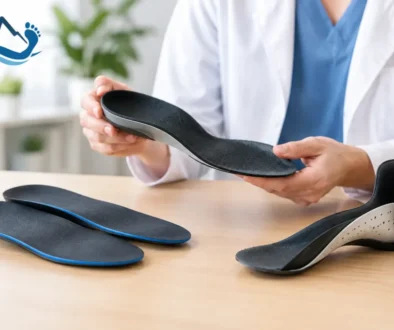
Orthotic support can be useful when excessive inward rolling of the foot or poor arch control is adding stress to the tendon. Off-the-shelf insoles may be reasonable for short-term support in mild cases, but they are not designed around your specific foot shape, pressure pattern, or gait.
Custom orthotics are considered when symptoms are recurring, the arch is changing, a person spends long hours standing, or a generic insole has not provided enough support. At Vancouver Orthotic Clinics, the process includes practitioner evaluation and 3D foot scanning to help identify how the foot functions under load. The orthotic prescription is then designed to improve support and control while fitting the person’s footwear and daily needs.
Orthotics are not a passive cure. They work best as part of a plan that includes sensible activity modification, appropriate footwear, and strengthening when the tendon is ready for it. A device that is too aggressive can be uncomfortable, while one that is too soft may not meaningfully change the load on the tendon. Follow-up adjustments can be valuable as symptoms and activity levels change.
Build capacity gradually
Once walking is becoming more comfortable, progressive strengthening helps the tendon handle normal life again. A clinician may recommend controlled heel raises, calf strength work, balance exercises, and movements that improve foot and ankle control. The exercise choice and starting level should match the person’s pain and strength.
Progress is rarely perfectly linear. Mild discomfort during rehabilitation can be acceptable in some cases, but sharp pain, worsening swelling, or pain that persists well into the next day usually means the load needs to be reduced. Runners often need a staged return that starts with flatter routes, shorter distances, and rest days between harder sessions.
When to book an assessment
Book a clinical assessment if inner ankle pain lasts more than a week or two, keeps returning, limits walking or work, or is accompanied by a visibly lower arch. It is also worth being assessed if you have recurring flat-foot-related discomfort, knee pain, shin splints, or heel pain, since these concerns can share biomechanical contributors.
Seek prompt medical attention after a sudden injury if you cannot bear weight, heard a pop, have marked swelling or deformity, or develop redness and warmth with fever. New numbness, weakness, or significant calf swelling also deserves timely medical evaluation.
For people in Vancouver, Burnaby, Richmond, the North Shore, and nearby communities, a practitioner-led assessment can provide a clearer starting point than repeatedly changing shoes or trying random inserts. Ask about the full care process, whether custom orthotics are appropriate for your presentation, and what documentation may be needed for extended-health benefit claims.
Your goal is not simply to get through the next walk without pain. It is to give the posterior tibial tendon enough support and capacity that walking, working, and exercising feel dependable again.