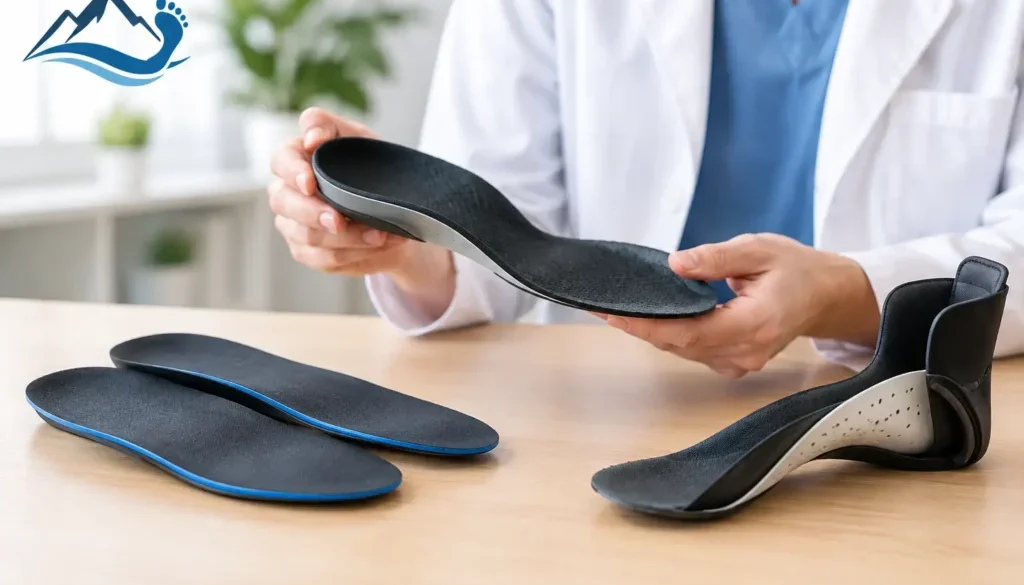
Orthotics Versus Insoles: Which Support Fits?
A drugstore insole can make a hard pair of work shoes feel better by the end of a shift. But if heel pain returns every morning, your knees ache after a walk, or one side of your shoes wears down faster than the other, comfort alone may not address the reason it keeps happening. The question of orthotics versus insoles is really a question of whether you need general cushioning or a clinical plan for how your feet are functioning.
Both can be useful. The right choice depends on your symptoms, activity, footwear, and whether pain is occasional or has become a pattern.
Orthotics Versus Insoles: The Main Difference
Insoles are ready-made inserts placed inside footwear. They are sold in pharmacies, athletic stores, and online, usually in standard sizes or trim-to-fit versions. Some are soft and cushioned, while others have a firmer arch shape or heel cup. Their main purpose is typically comfort, shock absorption, or a modest amount of general support.
Custom orthotics are prescribed devices made for an individual after a practitioner assesses foot posture, movement, symptoms, and lower-limb mechanics. They are not simply molded arch supports. A properly prescribed orthotic is designed to influence how the foot loads, moves, and transfers force during standing, walking, running, or work activities.
That distinction matters because the foot is connected to the ankle, shin, knee, hip, and low back. A device that feels soft can be pleasant, but it may not be the device needed when recurring symptoms are related to excessive pronation, limited motion, uneven loading, or another biomechanical concern.
When an Insole May Be Enough
A non-custom insole can be a reasonable first step when discomfort is mild, recent, and clearly tied to a temporary situation. For example, someone breaking in a new pair of boots, standing longer than usual at an event, or wanting extra cushioning in casual shoes may benefit from an over-the-counter option.
Insoles can also be practical for footwear that does not have much room for a thicker device. A thin, low-profile insole may reduce pressure under the heel or forefoot without making the shoe too tight. Many people keep a pair in work shoes or walking shoes for this reason.
The trade-off is that retail insoles are not made around your foot shape, gait, symptoms, or diagnosis. An arch that feels too high may create pressure. A soft insert may flatten quickly under a heavier workload. A generic heel pad may cushion impact but do little to improve the movement pattern that contributes to repeated strain.
If an insole improves comfort and symptoms settle, that may be all you need. If relief is brief, incomplete, or inconsistent from one day to the next, it is worth looking beyond the insert itself.
When Custom Orthotics Make Sense
Custom orthotics are often considered when pain is persistent, keeps returning, limits activity, or appears to travel beyond the foot. Common examples include plantar fasciitis, flat-foot-related discomfort, metatarsalgia, bunion irritation, heel spurs, Achilles tendonitis, shin splints, ankle pain, and recurring knee, hip, or low back pain.
They may also be appropriate when there is a noticeable difference between the two feet, a history of repeated overuse injuries, or footwear wear patterns that suggest uneven loading. A runner whose inner sole collapses quickly, a retail worker with aching heels after every shift, and an office worker who avoids walks because of foot and knee pain may all have different needs, even if each person describes the problem as “needing better support.”
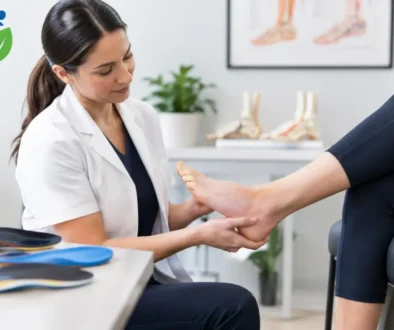
At Vancouver Orthotic Clinics by Dr. Michael Horowitz, the process begins with a practitioner-led assessment rather than selecting an insert off a shelf. A five-step clinical process includes evaluation, diagnosis, and 3D foot scanning to help identify how the feet and lower limbs are functioning. The orthotic prescription is then based on the clinical findings and the activities that matter to the patient.
Custom does not automatically mean rigid or uncomfortable. The materials, shape, cushioning, and degree of control should suit the person using them. A warehouse employee who stands on concrete has different demands from a recreational runner, a child with recurring leg discomfort, or an older adult who wants steadier, more comfortable walks.
Orthotics Are Not Only About Arch Height
One common misunderstanding is that a custom orthotic simply “fills the arch.” Arch support can be part of the design, but the clinical goal is broader. Depending on the assessment, an orthotic may redistribute pressure, support a foot that collapses inward under load, reduce strain on a tender structure, improve heel stability, or accommodate a sensitive area.
A person with flat feet does not always need the same type of support as another person with flat feet. Symptoms, flexibility, alignment, footwear, and movement all affect the recommendation. This is why an in-person assessment is useful when pain has become recurrent.
What the Assessment Adds
A clinical assessment connects the symptom to a possible cause. Rather than asking only where it hurts, a practitioner looks at when it hurts, what brings it on, how long it lasts, and how the foot and lower limb behave during movement.
For heel pain, morning symptoms can point toward a different loading issue than pain that builds only after several hours on your feet. For forefoot pain, the location of pressure and the fit of the shoe can be as relevant as the arch. For knee or hip discomfort, the feet may be one contributing factor rather than the entire explanation.
3D scanning provides a detailed record of foot shape, but a scan is not a diagnosis on its own. It works alongside the examination and clinical history. This combination helps avoid the common mistake of buying an insert based only on a footprint, a shoe-store pressure test, or an online arch quiz.
Cost, Durability, and Coverage Questions
Retail insoles cost less upfront and can be replaced easily. They are a sensible choice for temporary comfort, trying different levels of cushioning, or adding support to a secondary pair of shoes. Their lifespan varies widely, especially for people who walk long distances, work standing shifts, or use them for sport.
Custom orthotics involve a higher initial cost because they include assessment, diagnosis, scanning, fabrication, fitting, and follow-up guidance. For people with an eligible extended-health plan, coverage may be available when the plan requires a prescription and the documentation is completed correctly. Requirements differ by insurer, so checking your individual benefits before an appointment is wise.
Coverage should not be the only factor in the decision. The more useful question is whether a generic product is adequately addressing your symptoms and functional goals. If you have been replacing insoles repeatedly while avoiding walking, workouts, or full work shifts, a clinical assessment may offer better direction.
Getting the Most From Any Foot Support
Whether you choose an insole or custom orthotic, footwear still matters. A supportive device cannot fully compensate for a shoe that is worn out, too narrow, unstable at the heel, or too shallow to hold the insert comfortably. Bring the shoes you use most often to an orthotic appointment whenever possible.
Give a new support device time, particularly if it changes how your feet are loaded. Mild adjustment can be normal, but worsening pain, numbness, rubbing, or a new area of discomfort is not something to push through. The fit and prescription may need to be reviewed.
It also helps to match expectations to the problem. Orthotics and insoles can reduce stress on painful tissues and improve comfort during activity, but they are usually one part of a conservative care plan. Activity changes, stretching or strengthening advice, and better footwear choices may be recommended based on the diagnosis.
A Practical Way to Decide
Choose a quality non-custom insole when you want extra cushioning or general support and your discomfort is minor, short-lived, and improving. Consider a practitioner assessment when pain has lasted several weeks, comes back when you resume activity, affects your work or exercise routine, or involves the heel, ankle, shin, knee, hip, or back.
You do not need to wait until pain becomes severe to ask questions. A clear diagnosis and a device matched to your daily demands can make it easier to stay active, comfortable, and confident in every step.