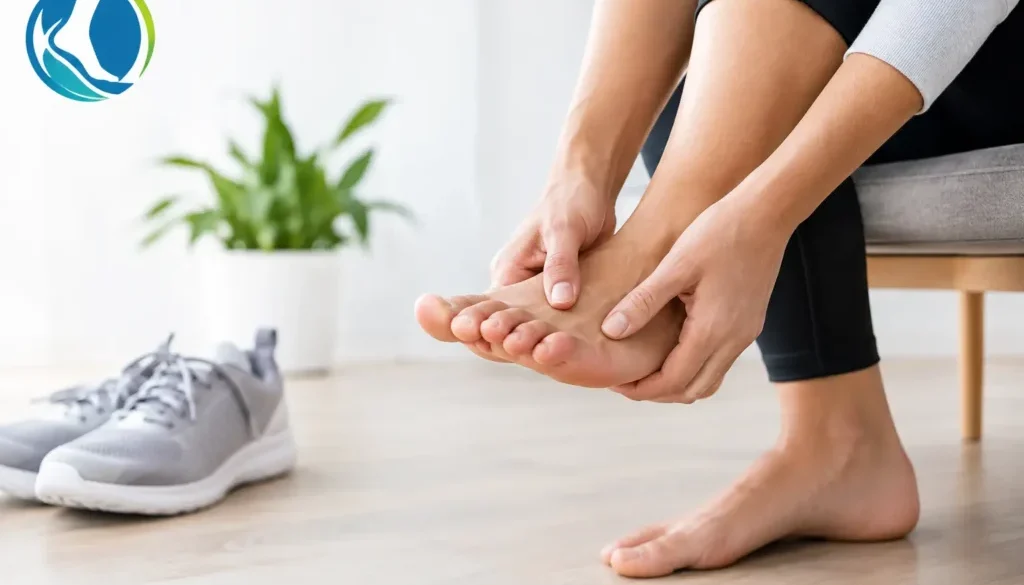
How to Address Toe Pain and Walk Comfortably
A toe that hurts with every step can change the way you walk before you even realize it. You may start rolling to the outside of your foot, shortening your stride, or avoiding a favorite walk altogether. Knowing how to address toe pain starts with identifying what triggers it, protecting the irritated area, and recognizing when a clinical assessment is the sensible next step.
Toe pain is not one condition. It can come from pressure in a shoe, a joint that is stiff or inflamed, a nail problem, an overuse injury, or foot mechanics that repeatedly load one toe more than it can tolerate. The location and timing of your pain provide useful clues.
Start by noticing where and when it hurts
Pain at the big-toe joint is often different from pain at the tip of a toe or between the toes. A sore big toe may become noticeable during push-off, when the foot needs to bend and drive you forward. Pain under the smaller toes may feel like you are stepping on a pebble, especially in thin-soled shoes. Burning, tingling, or pain between the toes can point to irritation from compression in the forefoot.
Think about the pattern as well. Morning stiffness, discomfort after a long shift, pain during a run, or tenderness that comes on only in certain footwear can each lead to different next steps. If one recent change coincides with your symptoms – new shoes, more walking, hill training, or a job that requires prolonged standing – it deserves attention.
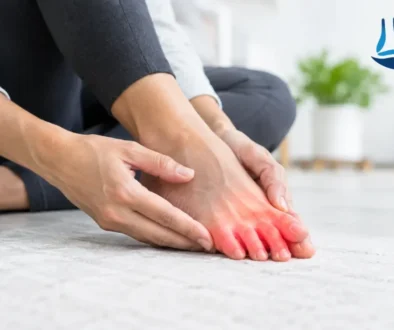
It also helps to check whether the toe is swollen, red, bruised, numb, warm, visibly angled, or difficult to move. These details can help a clinician distinguish a pressure-related concern from a joint, tendon, skin, or bone issue.
How to address toe pain at home first
For mild, recent pain without a significant injury, reducing irritation is a reasonable first move. Avoid the activity or footwear that clearly makes symptoms worse for several days. This does not necessarily mean complete rest. Many people can remain active by choosing lower-impact movement and shorter walks while the toe settles.
Wear shoes with enough length, width, and depth through the toe box. Your toes should not be crowded together or press against the front of the shoe. A firm, supportive sole can reduce how much a painful toe joint must bend during walking. This is often more helpful than simply choosing a softer shoe.
Cold therapy may help after an activity if the area feels hot, swollen, or irritated. Wrap a cold pack in a thin towel and use it for short periods rather than placing ice directly on the skin. Elevating the foot after a long day can also reduce swelling.
If you have a thickened callus under a toe, do not cut it yourself. That pressure point may be a sign that the forefoot is taking uneven load. Covering it temporarily may provide comfort, but the underlying cause still matters. The same is true of an insole that feels better for a few days but does not change the recurring pattern.
Common reasons toe pain keeps returning
Footwear pressure and toe crowding
Narrow, pointed, or shallow footwear can compress toes and rub prominent joints. Even a shoe that feels acceptable in the morning can become restrictive later in the day as feet swell. Toe pain in retail, healthcare, construction, and other standing occupations is often linked to the combination of long hours on hard floors and footwear that does not match the shape of the foot.
Big-toe joint stress
The big toe handles a large share of force during walking and running. A bunion, stiffness at the joint, reduced foot stability, or a change in gait can make push-off painful. When the big toe cannot move or load comfortably, other parts of the foot may compensate, sometimes leading to pain under the smaller toes, at the ankle, or even farther up the leg.
Forefoot overload
Pain beneath the ball of the foot and toes is commonly associated with metatarsalgia, especially when symptoms increase with standing, walking, or running. Flat feet, high arches, tight calf muscles, sudden training increases, and worn-out footwear can all shift pressure forward. The best solution depends on whether the main issue is cushioning, alignment, motion control, or a combination of these factors.
Toe deformity or friction
A toe that curls, rubs against the top of a shoe, or repeatedly develops a corn may be experiencing ongoing mechanical pressure. Padding can protect the skin, but it will not necessarily change why the pressure is occurring. A careful footwear review and assessment of toe and foot alignment can make a meaningful difference.
Nail and skin concerns
Pain at the side or tip of a toe may come from an ingrown nail, blister, cut, or skin irritation. Keep the area clean and reduce pressure from footwear. If there is drainage, spreading redness, increasing warmth, or worsening tenderness, seek timely medical care rather than trying to manage it at home.
When toe pain needs prompt assessment
Do not assume every sore toe is a minor footwear issue. Arrange prompt medical evaluation after a forceful injury, a fall, or a stubbed toe that causes severe pain, significant bruising, deformity, or trouble bearing weight. These signs can indicate an injury that needs more than home care.
You should also seek care promptly for a toe that is cold, pale, blue, numb, or suddenly very swollen, or for redness and warmth that are spreading. People with reduced sensation, circulation concerns, or a history of slow-healing wounds should be particularly cautious with any new foot problem.
For pain that is recurring, lasts beyond a short period of self-care, or changes the way you walk, a clinical assessment is worthwhile. Persistent compensation can place extra strain on the ball of the foot, heel, ankle, knee, hip, or low back.
Why foot mechanics matter for toe pain
The toe is the end point of a longer chain. How your heel lands, how your arch moves, how your ankle bends, and how your body weight transfers across the forefoot all influence the load a toe receives. That is why two people can wear the same shoes and have very different symptoms.
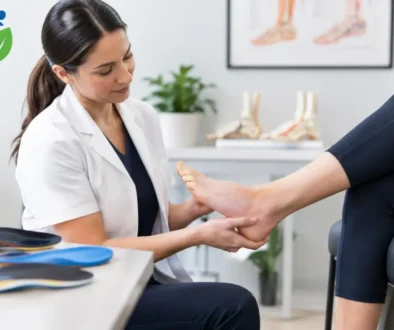
A clinician-led assessment looks beyond the tender spot. It may include your walking pattern, shoe wear, joint movement, arch function, leg alignment, and areas of pressure beneath the foot. This approach is particularly useful when pain comes back despite trying wider shoes, rest, or generic insoles.
At Vancouver Orthotics Clinics by Dr. Michael Horowitz, the assessment process considers symptoms alongside measurable foot function. A practitioner examination and 3D foot scan can help identify where support, pressure redistribution, or improved alignment may be needed. When custom orthotics are clinically appropriate, they are prescribed to address your specific mechanics rather than offering one standard shape for every foot.
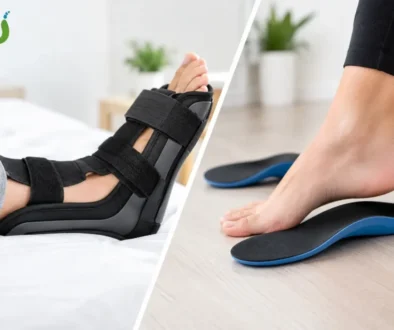
Custom orthotics are not automatically the answer for all toe pain. A nail concern, acute injury, or skin infection requires a different care path. But when repeated forefoot pressure, flat-foot-related alignment, bunion-related loading, or inefficient push-off is driving symptoms, properly designed orthotics can help reduce strain while you walk, work, or exercise.
Make your return to activity gradual
Once pain is easing, return to longer walks, running, or standing demands gradually. A useful rule is to judge not only how the toe feels during activity, but also how it feels later that day and the following morning. If symptoms consistently flare afterward, the load is still too high.
Replace footwear when the sole is visibly worn, uneven, or no longer supportive. Choose socks that do not bunch around the toes, and leave enough room in the front of your shoes for natural toe movement. For runners and active walkers, avoid increasing distance, hills, speed, and training frequency all at once.
Toe pain is easy to dismiss until it limits your day. Address it early, pay attention to the pattern, and get a focused assessment when simple changes are not enough so you can move with more comfort and confidence.